What Makes Tawny Eagles Unique?
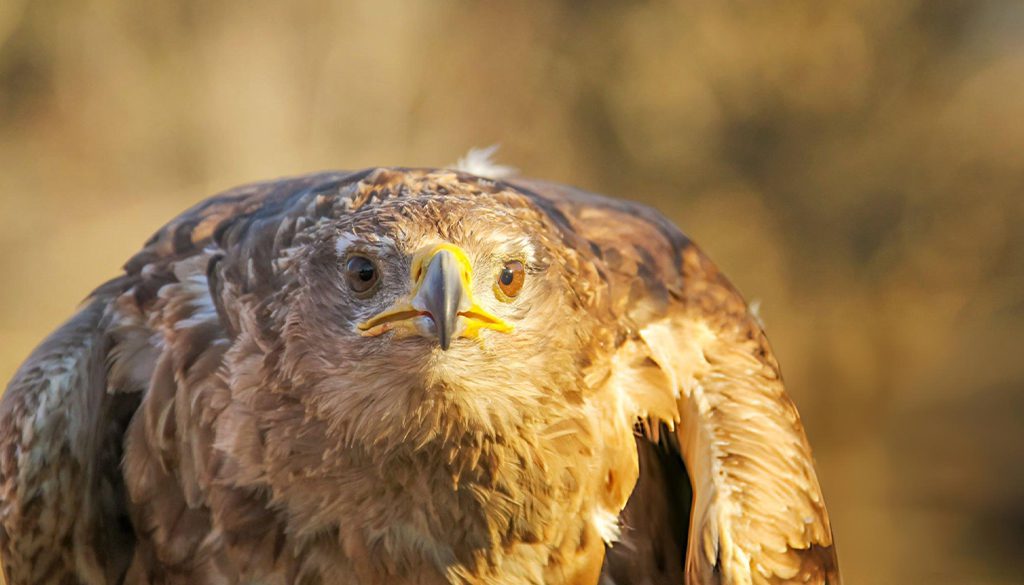
What makes tawny eagles unique isn’t just their formidable presence in the sky, but their role as the animal kingdom’s ultimate, unapologetic opportunist. Standing up to two and a half feet tall with a wingspan that can stretch over six feet, this raptor has all the physical attributes of an apex predator. It belongs to the group known as true eagles or booted eagles, distinguished by dense feathers extending all the way down its legs to its feet. Yet, despite its commanding size and heavy-duty talons, it does not limit itself to a single hunting strategy. Where a martial eagle or a peregrine falcon might rely entirely on high-speed precision strikes, this species approaches survival with a calculating, versatile mindset.
Mastering the Art of Hunting and Aerial Robbery
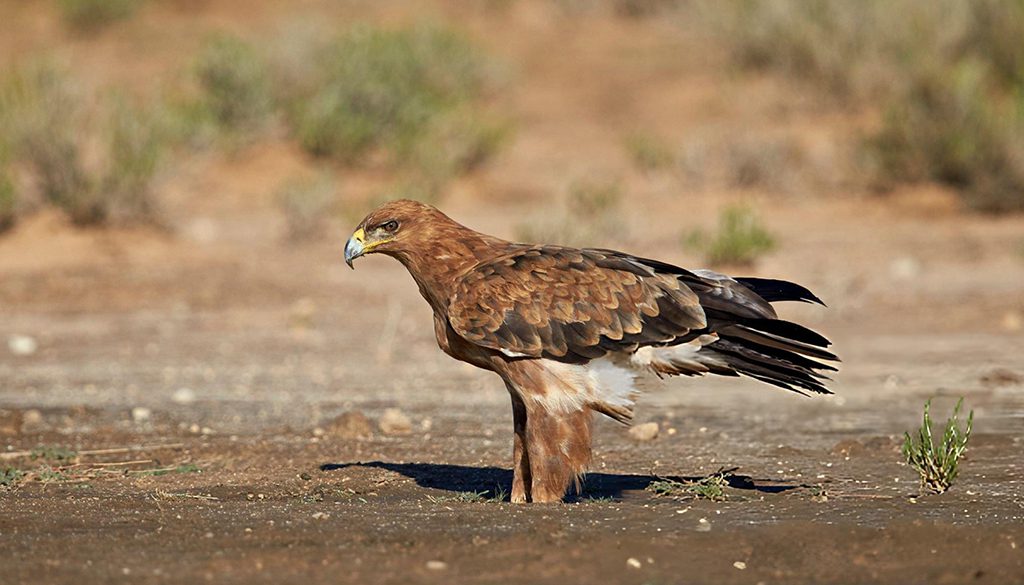
On any given day, an individual might begin its morning by surveying the landscape from a high, leafless perch, watching for movement in the dry grass below. Its keen eyesight can spot a small mammal, lizard, or ground bird from vast distances. When it targets its own prey, it swoops down with quiet efficiency, using its strong claws to secure its capture. However, active hunting is only one tool in its arsenal.
When the opportunity arises, it readily engages in kleptoparasitism—the formal scientific term for outright aerial robbery. It will brazenly harass other raptors, including falcons, kites, and even larger storks or smaller eagle species, relentlessly pursuing them in mid-air until they drop their catch. The bird then dives swiftly to snatch the falling meal right out of the sky before it hits the ground. Understanding these dynamic behaviors offers a clear look into what makes tawny eagles unique compared to other birds of prey.
Scavenging and Adapting to Extreme Conditions
This opportunistic streak extends even further down the food chain. Unlike many birds of prey that turn up their beaks at carrion, these eagles are enthusiastic scavengers. They are often among the first raptors to arrive at a carcass alongside vultures and jackals. Their bold nature allows them to bully smaller vultures away from choice scraps of meat, ensuring they get their fill even when live prey is scarce.
During plagues of locusts or termites, they have even been observed walking along the ground, casually picking up insects like chickens in a farmyard. This complete lack of dietary snobbery is precisely what makes tawny eagles unique and resilient in landscapes prone to severe droughts and erratic prey availability.
Unmatched Plumage Polymorphism
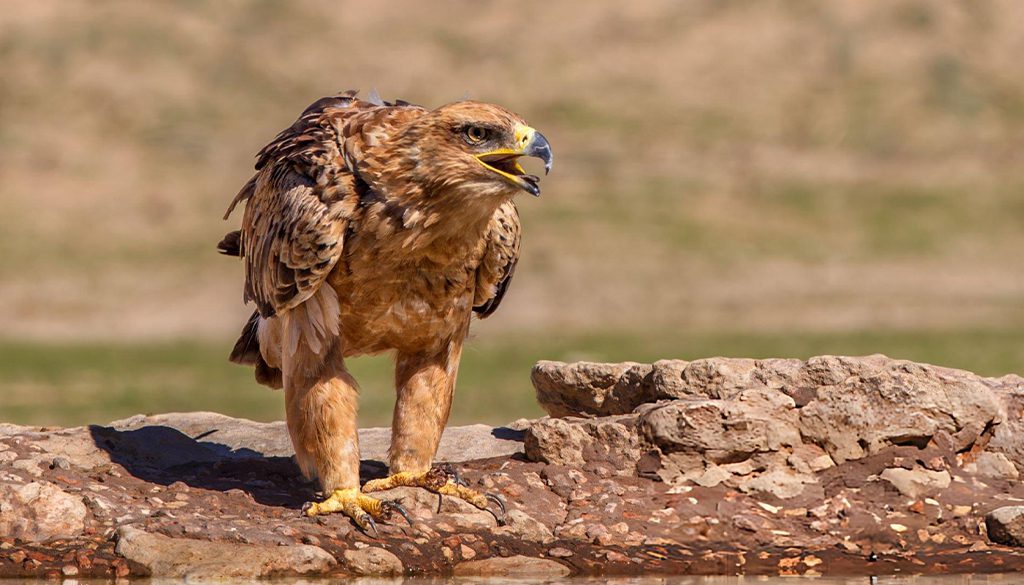
Another intriguing quality is their remarkable plumage variation, which frequently baffles birdwatchers and ornithologists alike. Individual birds can look drastically different from one another, spanning a wide spectrum of colors known as morphs:
-
Pale Morph: A light, creamy blonde shade across the body.
-
Rufous Morph: A rich, reddish-brown coat with warm undertones.
-
Dark Morph: A deep, dark chocolate brown coloration.
This polymorphism means that no two individuals look quite identical, adding an air of mystery to every sighting in the wild.
Breeding Dynamics and Territorial Survival
Beyond their hunting prowess and variable looks, these eagles demonstrate fascinating breeding behaviors. They typically form monogamous pairs that defend large territories year after year. Together, they construct massive platform nests out of sticks, usually resting atop thorny acacia trees or tall pylons, lined with green leaves and grass.
Female eagles usually lay one to two eggs, but like many large raptors, they exhibit a phenomenon known as siblicide or Cainism. The older hatchling often outcompetes or directly eliminates its younger sibling within the first few weeks of life—an evolutionary strategy that ensures at least one strong chick receives enough food to reach adulthood when resources are tight.
Modern Threats and Conservation Status
Despite their intelligence and adaptability, populations face mounting threats in the modern world:
-
Habitat Fragmentation: Clearing native acacia woodlands reduces nesting sites.
-
Agricultural Poisoning: Secondary poisoning from pesticides targeted at predators.
-
Infrastructure Hazards: Dangerous collisions and electrocutions on power lines.
Yet, this bird continues to hold its ground as a symbol of wild adaptability—proving that true majesty isn’t just about pure power, but about the cleverness to adapt to whatever the wild throws your way.
Help Me Plan My Trip
GET IN TOUCH
To contact an expert travel planner to start planning your adventure in Kenya, click the button below: