The $20,000 Safari: What Ultra-Luxury Safari Looks Like in Kenya

The value of an ultra-luxury safari lies in the things money usually can’t buy: total silence, absolute privacy, and the feeling that you are the only human being in a prehistoric paradise. In a world that is increasingly crowded and loud, the ultra-luxury safari offers the rarest commodity of all, the chance to be truly alone with the wild. In Kenya, where the concept of the safari was born, a $20,000 price tag isn’t just for a bed, it’s for a key to a world that few ever see.
If you have ever wondered what it feels like to have the Masai Mara all to yourself, or to sip vintage Krug while watching a leopard hunt from a silent electric vehicle, you are looking for an ultra-luxury safari. Let’s step inside this world of “refined wildness.”
The Cost of Exclusivity: Why $20,000?
You might wonder what differentiates a standard high-end trip from a true ultra-luxury safari. The answer lies in total privacy and unscripted access. In 2026, the demand for “unplugged” exclusivity has driven prices for top-tier lodges like Angama Mara or Sirikoi to upwards of $3,500 per night. When you factor in private helicopter transfers, specialist photographic guides, and bespoke conservation experiences, a 7-to-10-day itinerary easily reaches the $20,000 mark.
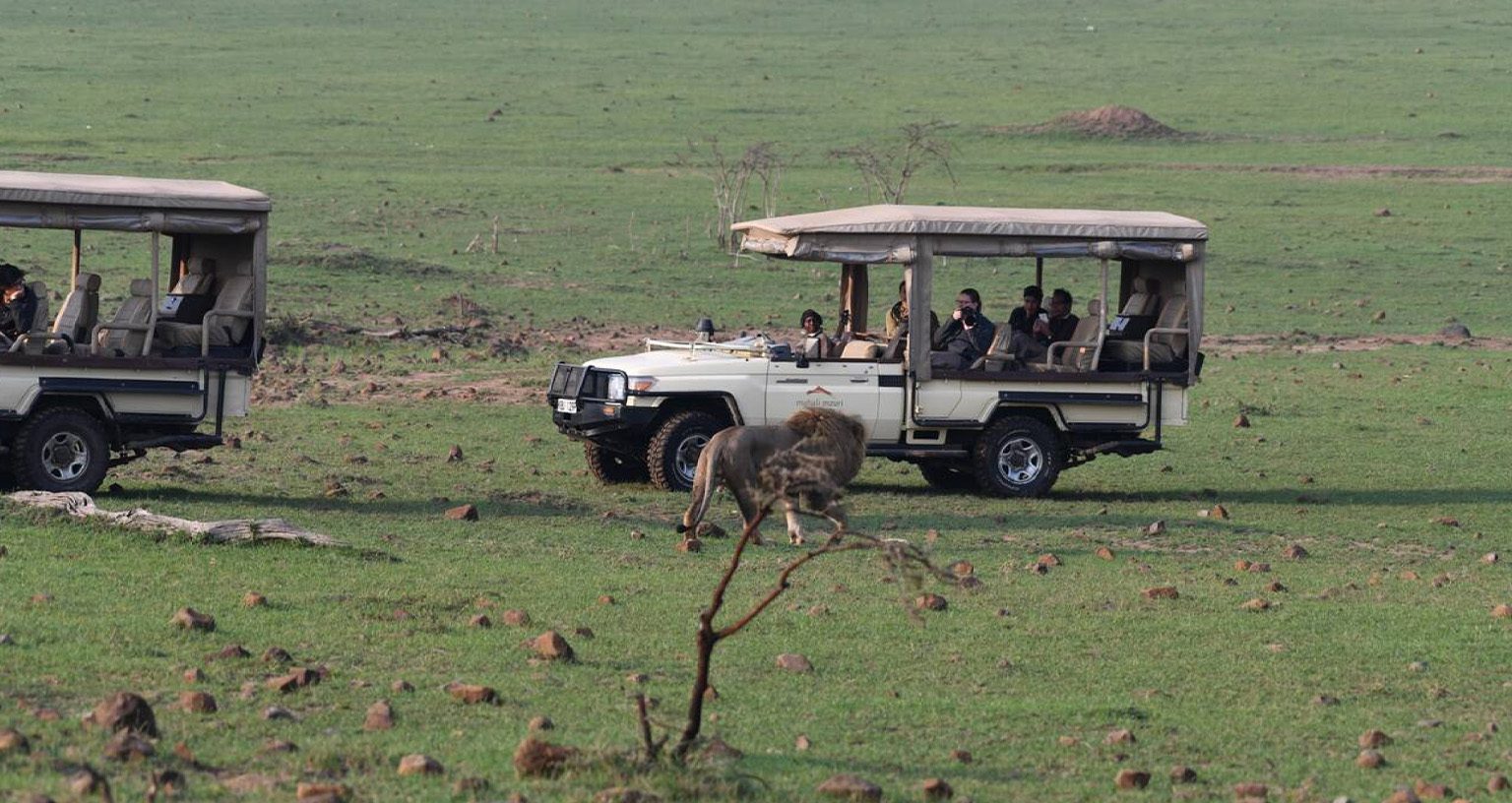
On an ultra-luxury safari, you aren’t just paying for a room; you are paying for the absence of other people. You are buying a private 60,000-acre conservancy where yours is the only vehicle at a leopard sighting. You are paying for a level of service where the staff knows your favorite brand of gin before you even ask.
Architecture That Breathes With the Land
The accommodations on an ultra-luxury safari defy the traditional definition of a “tent.” These are architectural marvels. Take, for instance, the glass-fronted suites perched on the edge of the Oloololo Escarpment. Here, floor-to-ceiling windows provide a 180-degree view of the Great Migration from your bathtub.
Many of these lodges feature private infinity pools that overlook active waterholes. It is not uncommon to sip an espresso while a herd of fifty elephants bathes just meters away. The design philosophy of an ultra-luxury safari focuses on “silent luxury”—using sustainable materials, local Maasai craftsmanship, and solar power to ensure that your footprint is light, even if your experience is heavy on indulgence.
Gastronomy in the Middle of Nowhere
Dining is perhaps where the ultra-luxury safari surprises guests the most. Forget buffet lines and lukewarm coffee. Instead, imagine a “bush breakfast” set up under a lone acacia tree after a sunrise game drive. You’ll find white linen tablecloths, silver service, and a chef preparing eggs Benedict to order over a charcoal fire.
Dinner is an even grander affair. An ultra-luxury safari often culminates in a private candlelit dinner in a hidden clearing. Under the vast Kenyan sky, illuminated by a thousand stars and a ring of lanterns, you’ll enjoy a four-course meal paired with rare South African wines. The menu is often “farm-to-table,” featuring organic produce grown in the lodge’s own garden, ensuring that even in the remote wilderness, the culinary standards rival those of Michelin-starred restaurants in London or New York.
Beyond the Game Drive: Bespoke Experiences
While wildlife is the heart of any trip, an ultra-luxury safari offers experiences that go beyond the 4×4 vehicle. In 2026, the trend is moving toward “transformative travel.” This might include:
-
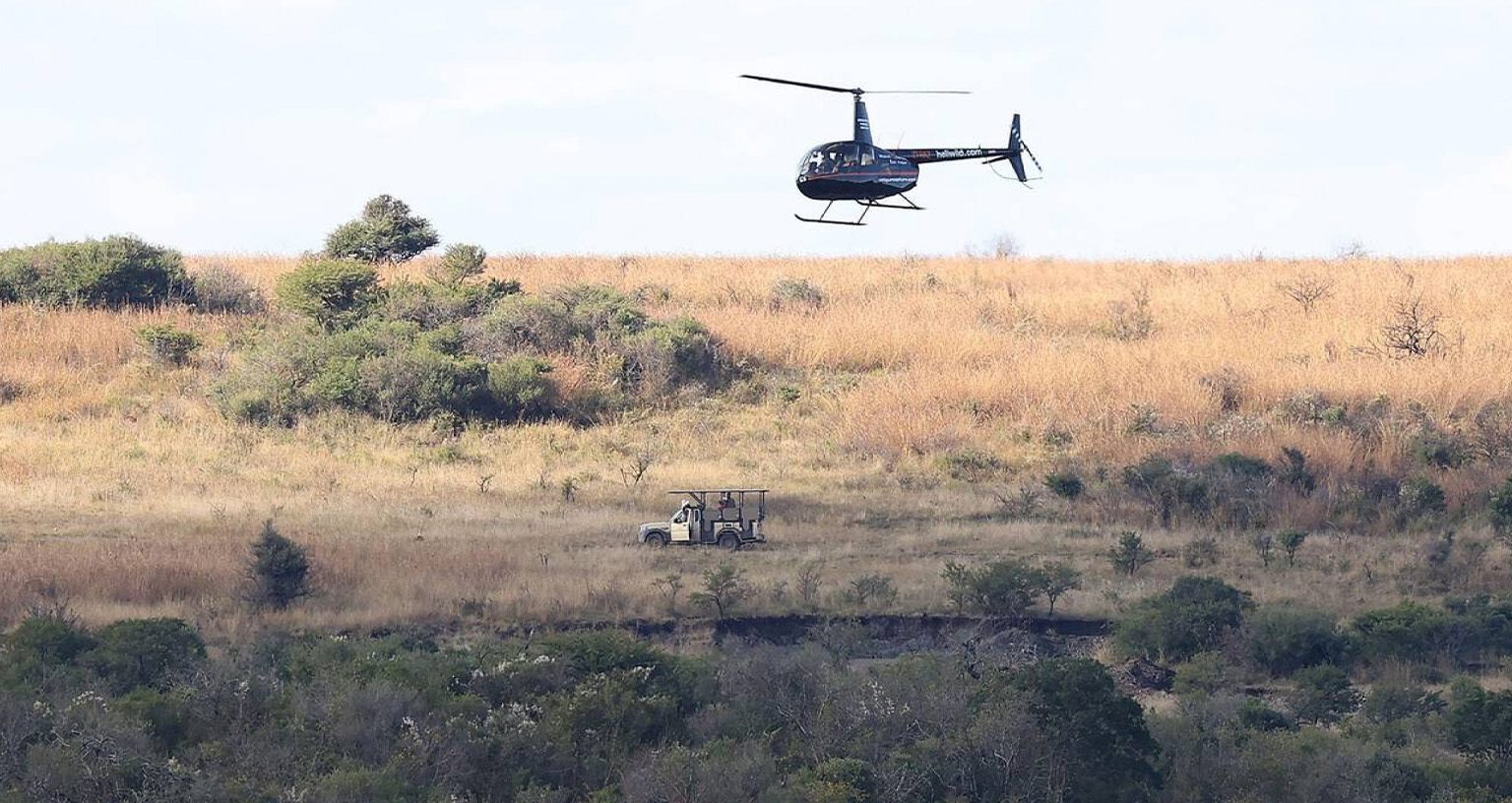
Helicopter Safaris: Flying low over the Suguta Valley or landing on the shores of Lake Turkana for a private picnic.
-
Conservation Immersion: Spending a day with a K-9 anti-poaching unit or participating in a rhino ear-notching procedure alongside world-class vets.
-
Star Beds: Spending a night on a raised wooden platform under the Milky Way, protected only by a mosquito net and the sounds of the African night.
These activities are the hallmark of a true ultra-luxury safari. They provide a deeper connection to the land and its people, ensuring that your investment contributes directly to the preservation of these fragile ecosystems.
The Human Element: Expert Guiding
What truly defines the ultra-luxury safari experience is the quality of the guides. These are not just drivers; they are naturalists, historians, and photographers with decades of experience. A $20,000 safari includes a private vehicle and a guide who stays with you throughout your journey.
They can read the wind to predict where a cheetah might hunt or identify a bird species from a fleeting shadow. This level of expertise ensures that every moment in the bush is an educational journey. On an ultra-luxury safari, the guide becomes a friend and a bridge between your world and the wild, tailoring every hour to your specific interests, whether that’s macro-photography or indigenous culture.
The Logic of the Price Tag
Investing in an ultra-luxury safari is also an investment in the future of Africa. A significant portion of the $20,000 goes toward conservation fees and community development. By staying in private conservancies, you are providing a financial incentive for local communities to protect wildlife rather than turn the land over to agriculture.
Furthermore, this type of safari model focuses on “high-value, low-impact” tourism. By hosting fewer guests at higher price points, these lodges reduce the environmental strain on the land while generating the necessary funds to keep rangers on the ground.
Help Me Plan My Trip
GET IN TOUCH
To contact an expert travel planner to start planning your adventure in Kenya, click the button below: