Luxury African Safari Scams: How to Protect Your 2026 Investment?
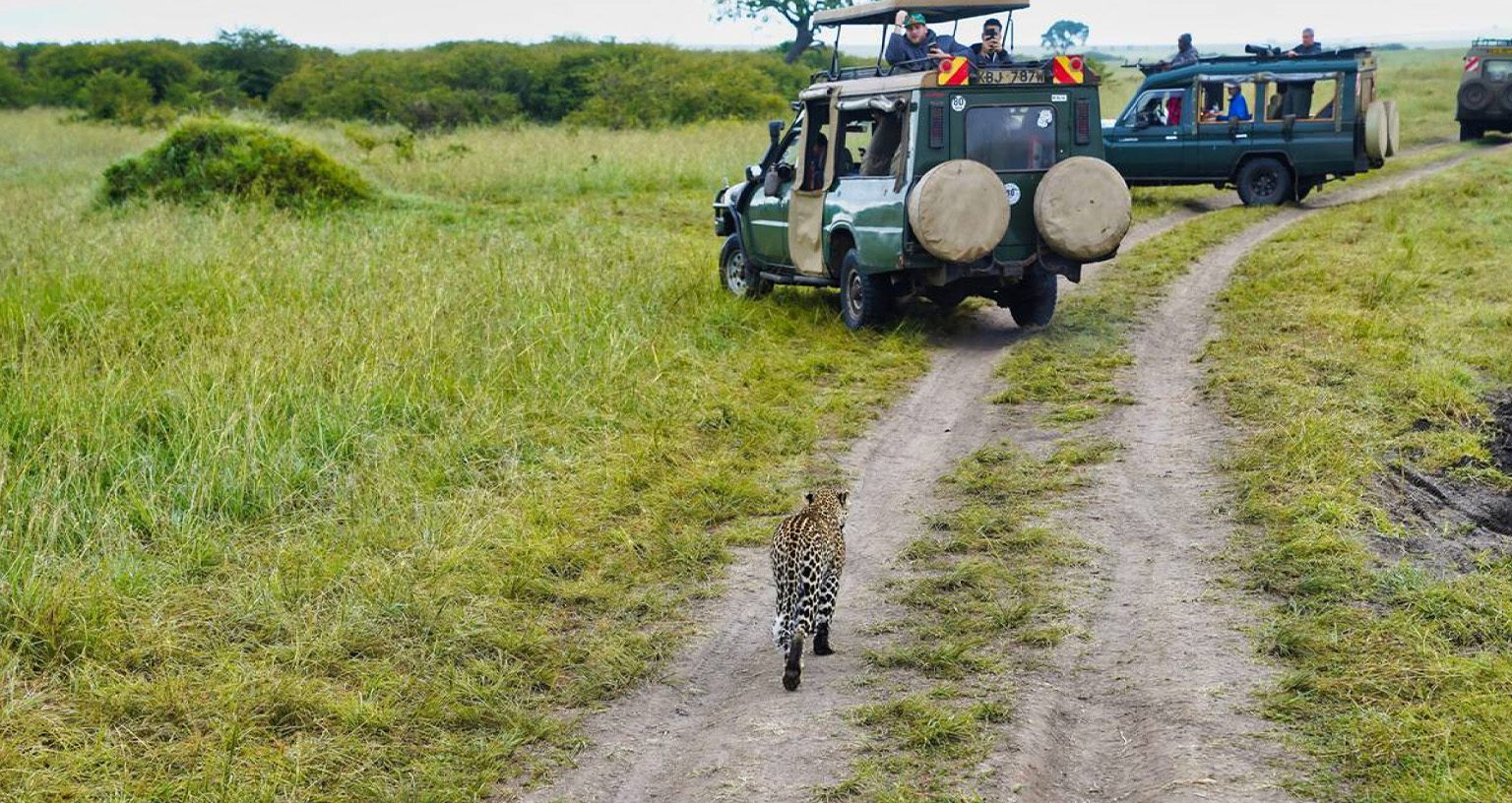
The rise of sophisticated Luxury African Safari Scams has become a growing concern for high-end travelers. When you are investing tens of thousands of dollars into a dream vacation, the last thing you want is for your adventure to vanish into the digital ether. Scammers are no longer just sending poorly spelled emails; they are now using AI-generated websites, deepfake testimonials, and “ghost lodges” to intercept your hard-earned money.
To ensure your 2026 investment remains secure, you must move beyond basic travel tips. This guide explores the most dangerous Luxury African Safari Scams currently circulating and provides a roadmap to protect your holiday.
1. The Rise of the “Ghost Lodge” and Fake Digital Footprints
In 2026, the most dangerous Luxury African Safari Scams involve high-definition, AI-enhanced websites for lodges that simply do not exist. These “ghost lodges” feature stunning drone footage (often stolen from legitimate properties) and claim to be exclusive, new openings in private concessions.
How to protect yourself:
-
Reverse Image Search: Take screenshots of the lodge’s gallery and run them through a search engine. If the “exclusive Maasai Mara suite” also appears as a boutique hotel in Bali, walk away.
-
Cross-Reference Maps: Use satellite imagery on Google Maps. If the website claims a lodge is at a specific GPS coordinate in the Sabi Sands, but the satellite view shows nothing but empty bush, you’ve spotted a scam.
2. Identifying “Cloned” Operator Websites
One of the most heart-wrenching Luxury African Safari Scams is the “cloned” agency. Scammers copy the entire layout, staff bios, and blog posts of a reputable, award-winning safari operator but change the contact details and bank information.
The Red Flags:
-
The URL Check: Most legitimate Safari websites use
.com,.co.za, or.co.ke. Be wary of URLs that end in unusual extensions like.net.bizor.travel-deals.org. -
Social Media History: A legitimate luxury operator will have a social media trail going back years. If an account has 50,000 followers but only three posts—all from the last month—it is likely a purchased account used for a “pop-up” scam.
3. Payment Traps: Wire Transfers and “Flash Sales.”
While high-end safari bookings often require bank transfers, the way the request is made can reveal Luxury African Safari Scams. Scammers often create a “sense of urgency,” claiming that a “cancellation” has opened up a prime spot during the Great Migration, but only if you wire the full amount within 24 hours.
Pro Tip: Never transfer money to a personal bank account. Legitimate companies will always have a registered business account that matches the name of the company on their license.
4. Verify Licensing and Official Accreditations
Every country has regulatory bodies that oversee tourism. If a provider avoids mentioning these, they are likely involved in Luxury African Safari Scams. In 2026, you should verify any operator through the following:
- TRA (Tourism Regulatory License)
-
KATO (Kenya Association of Tour Operators)
-
TATO (Tanzania Association of Tour Operators)
-
SATSA (Southern Africa Tourism Services Association)
Don’t just look for the logo on their website; go to the association’s official member directory and search for the company name there.
5. The “Bait-and-Switch” Accommodation Scam
Some Luxury African Safari Scams aren’t about taking all your money and disappearing; they are about delivering a vastly inferior product. You may pay for a 5-star ultra-luxury camp, only to arrive and be told there was a “plumbing emergency,” and you are being moved to a “sister property” which turns out to be a dusty, 2-star tented camp.
How to avoid it:
-
Get a written guarantee in your contract that specifies the exact lodge and room category.
-
Contact the lodge directly. After booking through an agent, send an email to the lodge manager to confirm that a reservation exists in your name for those specific dates.
6. Managing Your 2026 Safari Budget Safely
Understanding the typical costs of a luxury safari is your best defense. If a 10-day private safari in Botswana is being offered for $3,000, it is almost certainly one of the many Luxury African Safari Scams. Real luxury safaris in 2026 typically range from $800 to $3,000 per person, per night.
| Luxury Tier | Average Cost (Per Night) | What’s Included |
| High-End | $800 – $1,200 | All-inclusive, shared game drives, boutique lodges. |
| Ultra-Luxury | $1,500 – $3,500 | Private vehicles, butler service, and fly-in transfers. |
| Scam Level | Below $400 | “Luxury” claims with hidden fees or non-existent lodges. |
7. The Importance of Specialized Travel Insurance
In the landscape of Luxury African Safari Scams, your travel insurance is your final safety net. However, standard policies often don’t cover the “financial default” of a tour operator.
When booking for 2026, ensure your policy includes:
-
Financial Default Coverage: This protects you if the operator goes bankrupt or is proven to be a fraudulent entity.
-
Cancel For Any Reason (CFAR): This gives you the power to pull out if you become suspicious of your operator before the trip begins.

Why 2026 is a High-Risk Year?
With global travel reaching record peaks, the demand for “exclusive” and “off-the-grid” experiences has skyrocketed. This demand creates a perfect environment for Luxury African Safari Scams to thrive. Scammers know that high-net-worth individuals are looking for something unique and are often willing to pay a premium for “insider access.”
Final Checklist: Is Your Safari Legitimate?
Before you hit “send” on that deposit, ask these three final questions to stay clear of Luxury African Safari Scams:
-
Have I spoken to them on a video call? Scammers rarely want to show their faces or offices.
-
Is the price realistic? If it’s 50% cheaper than every other quote, it’s a trap.
-
Did I check independent review sites? Look at SafariBookings.com, TripAdvisor, and Google. If all the reviews were posted in the same week, they are likely fake.
A luxury safari should be a soul-stirring experience, a chance to connect with the raw beauty of the African wilderness. By staying vigilant and recognizing the hallmarks of Luxury African Safari Scams, you can protect your investment and ensure that your 2026 journey is remembered for the lions and sunsets, not the loss of your savings.
Help Me Plan My Trip
GET IN TOUCH
To contact an expert travel planner to start planning your adventure in Kenya, click the button below: