

The Science of Lion Social Behavior: Why Do Lions Lick Each Other?
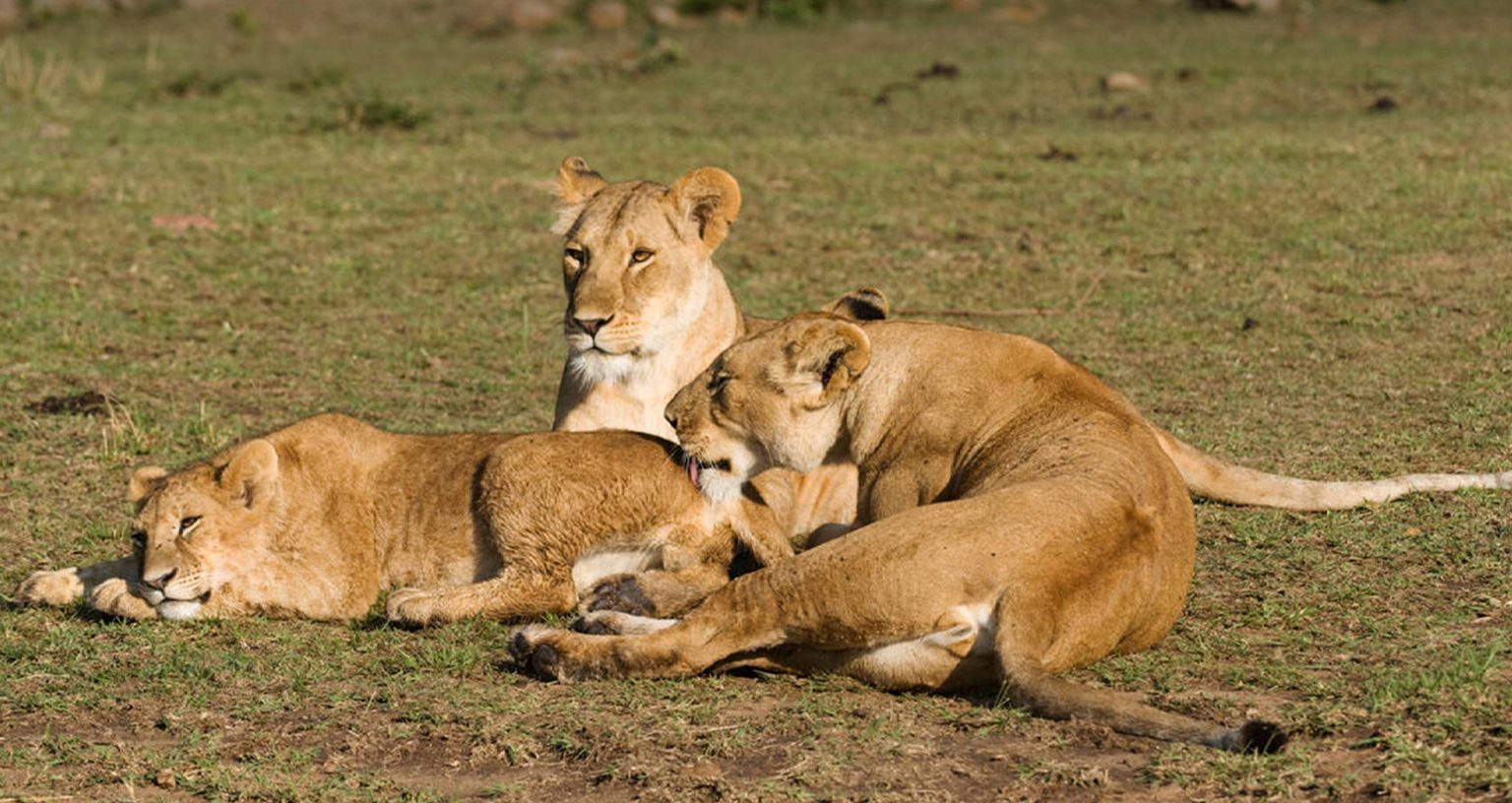
Discover the fascinating science behind lion social behavior. Learn how head rubbing and licking strengthen the bonds of the pride before your next safari.
Why Do Lions Lick Each Other? The Science of Lion Social Behavior
For safari-goers watching a pride rest under an acacia tree in the Masai Mara or Serengeti, few moments are as mesmerizing as witnessing two adult lions gently grooming one another.
While it looks like pure affection, this gentle grooming, known scientifically as allo-grooming, is a fundamental pillar of lion social behavior. It is a survival mechanism, a social currency, and a hygienic necessity all rolled into one.
Here is the evolutionary science behind why these fierce predators engage in such tender moments, and what to look for on your next African safari.

1. Social Bonding & Pride Cohesion
Lions are the only truly social felids (members of the cat family) on Earth. Living in a pride requires high levels of cooperation for hunting, territory defense, and cub-rearing.
-
The “Social Glue”: Licking and head rubbing act as the physical “glue” that keeps the pride together. Studies on lion behavior show that these physical interactions trigger the release of oxytocin (the hormone associated with bonding and trust), reducing tension within the pride.
-
Reunions: When pride members have been separated for hours or days—perhaps after a hunt or patrol—they immediately engage in intense bouts of head rubbing and licking upon reuniting to reaffirm their relationships and update their social bonds.
2. The Hygiene of the Hunt
Lions are apex predators that hunt large, dusty, and bloody prey (like wildebeest, zebras, and buffaloes).
-
Hard-to-Reach Places: During a feed, a lion’s face, neck, and shoulders quickly become covered in blood and dirt. Since a lion cannot easily clean its own head or upper neck, it relies entirely on its pride-mates to groom those hard-to-reach areas.
-
The “Hairbrush” Tongue: Like domestic cats, a lion’s tongue is covered in tiny, spine-like structures called papillae. Made of keratin (the same protein as human fingernails), these backward-facing hooks act like a stiff hairbrush, perfectly designed to scrape away dried blood, dirt, ticks, and loose fur.
3. Scent Sharing and Group Identity
In the wild, scent is a critical communication tool. Lions have scent glands around their cheeks, lips, forehead, and the base of their tails.
-
Creating a Collective Scent: When lions lick and rub heads, they transfer their individual scents to one another. This creates a uniform “pride scent.”
-
Friend or Foe: This collective scent profile helps pride members immediately identify one another in the dark or during a chaotic encounter with an invading, rival pride. If an animal doesn’t smell like the group, it is treated as a threat.

What to Observe on Safari: A Guide’s Checklist
Behavior | What It Looks Like | What It Actually Means |
Head Rubbing | Two lions walking past each other, leaning in to press their foreheads or cheeks together. | Scent marking and mutual greeting; it reduces social tension. |
Allo-Licking | One lion vigorously licking the face, neck, or ears of another. | Deep social bonding and hygienic cleaning after a heavy meal. |
The Flehmen Response | A lion wrinkling its nose, pulling back its lips, and opening its mouth slightly after sniffing or licking. | Using the specialized Jacobson’s organ in the roof of the mouth to analyze pheromones and scents. |
The Safari Connection: Witnessing the Pride Dynamic
Understanding these subtle behaviors transforms a standard safari game drive into an intimate look at family life. When booking your safari to premier reserves like the Masai Mara, choosing an experienced guide who understands behavioral cues is the key to capturing these tender moments on camera.
Guides who know how to read these social interactions can predict when a pride is about to wake up, greet each other, and begin their evening hunt.
Help Me Plan My Trip
GET IN TOUCH
To contact an expert travel planner to start planning your adventure in Kenya, click the button below:


