

Leopard Cub Survival Rate: Why 50% Never Reach Adulthood
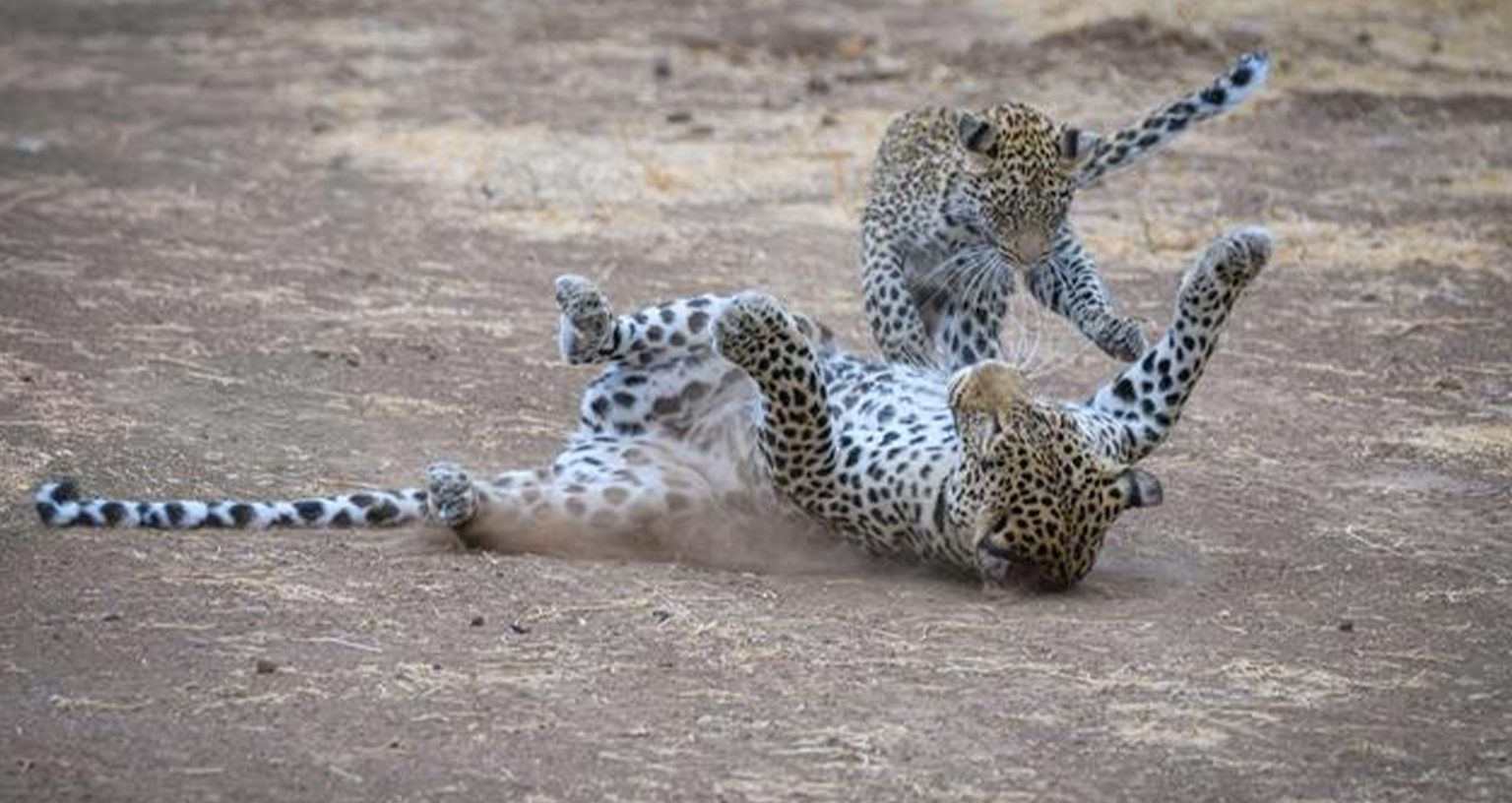
What is the true leopard cub survival rate in the wild? Explore the primary causes of cub mortality, from rival males and lions to habitat challenges.
What is the True Leopard Cub Survival Rate in the Wild?
In the wild, the true survival rate for leopard cubs (Panthera pardus) until independence (around 1.5 to 2 years of age) is approximately 37% to 50%.
This means that at least half of all leopard cubs born in the wild do not survive to adulthood, with mortality rates peaking during their first 12 months of life.
While exact figures fluctuate based on geographical region, prey density, and the presence of competing apex predators, long-term field studies across Africa and Asia paint a consistent picture of extreme vulnerability for young leopards.

Survival Rates Breakdown by Life Stage
-
Year 1 (0 to 12 Months): The most perilous period. First-year mortality ranges between 30% and 50%. Cubs are blind at birth, mobile only after several weeks, and entirely dependent on their mother’s hidden den sites.
-
Year 2 (12 to 24 Months): Survival improves significantly to roughly 80% to 83% as cubs become agile climbers, learn hunting tactics, and begin accompanying their mother on kills.
-
Overall Independence Rate: By the time a litter reaches 18–24 months and disperses to establish their own territories, typically only 1 or 2 cubs from a litter of three will have survived.
-
The “Social Glue”: Licking and head rubbing act as the physical “glue” that keeps the pride together. Studies on lion behavior show that these physical interactions trigger the release of oxytocin (the hormone associated with bonding and trust), reducing tension within the pride.
Primary Causes of Leopard Cub Mortality
Unlike social big cats like lions—who raise cubs in cooperative prides with communal protection—female leopards are solitary mothers. Every time a mother leaves her den to hunt, her cubs are left completely unguarded.
1. Predation by Larger Carnivores
The biggest threat to leopard cubs comes from competing apex predators:
-
Lions: Lions actively track down and kill leopard cubs to eliminate future competition for prey.
-
Spotted Hyenas: Hyenas use their powerful sense of smell to locate den sites and will kill unguarded cubs instantly.
-
Baboons: Troops of olive or chacma baboons will aggressively attack and kill unattended leopard cubs if discovered.

2. Infanticide by Male Leopards
When a new male leopard ousts a resident territorial male, he will often hunt down and kill the existing cubs in that territory. This forces the female back into estrus (fertility) so he can sire his own genetic offspring.
3. Starvation & Mother’s Health
Leopard mothers must catch enough prey to support both their own energy demands and milk production. If prey is scarce due to drought or severe seasonal changes, milk production drops, or the mother may be forced to range further away for longer periods, leaving cubs vulnerable to starvation or abandonment.
4. Human-Wildlife Conflict & Habitat Loss
Outside protected game reserves, leopard cub mortality spikes significantly due to:
-
Snare traps set for bushmeat.
-
Retaliatory killings by livestock farmers.
-
Road accidents and habitat fragmentation in semi-urban borders.
Help Me Plan My Trip
GET IN TOUCH
To contact an expert travel planner to start planning your adventure in Kenya, click the button below:


