

Why Are Black Rhinos Aggressive? The Science Behind the Charge
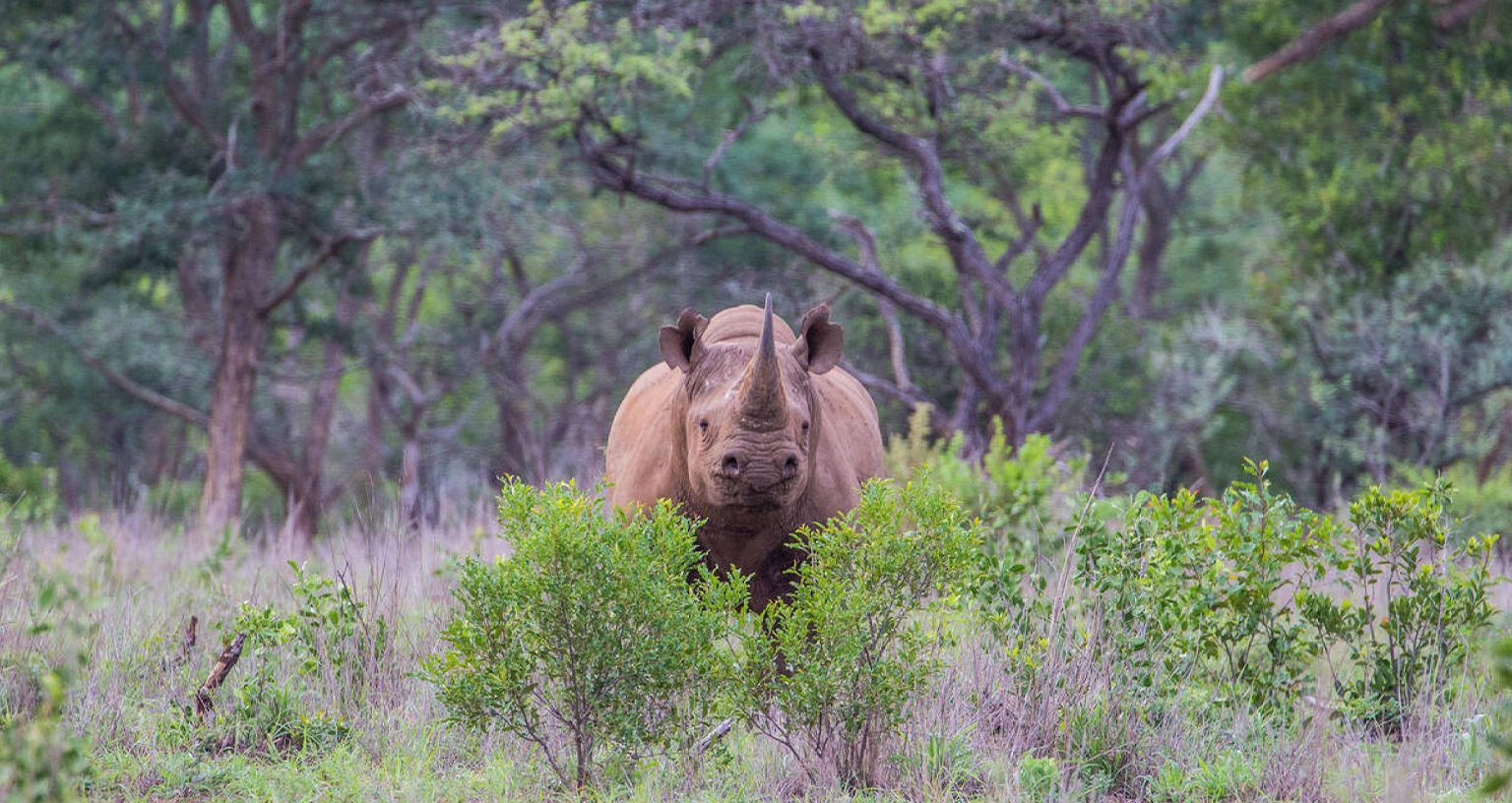
Why Are Black Rhinos Aggressive? The answer lies not in malice, but in a delicate cocktail of sensory limitations, territorial dominance, and ecosystem pressures.
Quick Profile: Black Rhino vs. White Rhino Temperament
Behavioral Trait | Black Rhinoceros | White Rhinoceros |
Social Structure | Solitary; highly territorial | Semi-social; lives in "crashes" |
Primary Threat Response | Preemptive defensive charge | Flight or tight group formation |
Encounter Distance | Close-range brush surprises | Long-range open plain visibility |
General Disposition | Inquisitive, high-strung, nervous | Placid, predictable, calm |
1. The Blind Spot: Extremely Poor Eyesight
The single biggest trigger for a black rhino charge is fear mixed with confusion. To understand Why Are Black Rhinos Aggressive, one must first look at their physical facial structure and neurological wiring.
-
The 30-Meter Limit: Black rhinos have notoriously terrible vision; they cannot clearly identify a stationary object beyond roughly 30 meters (100 feet).
-
Charge First, Ask Questions Later: Because they cannot see what is approaching them, any sudden sound or shifting scent puts them on immediate red alert. Lacking the ability to visually verify if an approaching shadow is a tourist vehicle, a lion, or a poacher, their evolutionary default is to launch a preemptive, high-speed mock charge to neutralize or scare off the unknown entity.
This sensory deficit creates an evolutionary paradox. Because their eyes fail them, their ears and olfactory receptors must work overtime. When a safari vehicle drives downwind of a bull, the animal smells an unidentified, massive presence long before it sees it. Unable to decipher the shape, the rhino relies on physical force as its primary shield.
2. Battlefield of the Bush: Habitat Adaptation
The structural differences between black and white rhinos directly dictate their temperaments. Habitat plays a decisive role when examining why they are so aggressive compared to their grazing relatives.
White rhinos are placid grazers that live in wide-open, high-visibility grasslands. They can see threats coming from hundreds of yards away, giving them ample time to process the danger and calmly retreat with their herd.
Conversely, black rhinos are solitary browsers. They live in dense, tangled acacia scrub, thickets, and deep riverine forests where they use their hooked lips to strip leaves from woody branches. In a thick jungle or dense brush environment, surprise encounters happen at point-blank range. Evolution has taught the black rhino that when caught by surprise in thick brush, a forceful attack is their best chance at survival.

3. Solitary Lives vs. The Safety of the Herd
Social structure offers another profound clue into the psychological makeup of these creatures. White rhinos are semi-social and live in tight-knit family groups called “crashes”. There is safety in numbers, and a group of rhinos can rely on collective vigilance to stay safe.
Adult black rhinos, on the other hand, are fiercely solitary, territorial wanderers. Because they do not have a herd to watch their back, a solitary black rhino lives in a constant state of heightened vigilance. This absolute isolation makes them incredibly nervous and reactive to any sudden disturbance within their home range.
4. Hormonal Drivers and Territorial Battles
The internal biology of the species further intensifies their combative reputation. Territorial black rhino bulls frequently engage in deadly battles with one another. Mortality rates from fighting among male black rhinos are incredibly high compared to other mammals, accounting for up to 50% of adult male deaths in certain populations.
This high baseline of internal species conflict means that their adrenaline reserves are consistently primed for combat. When an external element, such as a human or an automobile, breaches their territory, they respond with the same intense combat drive they use against rival bulls.

The Safari Guide’s Rule of Engagement
A charging black rhino can reach top speeds of 55 km/h (35 mph). Most of their charges are actually complex bluffs designed to gauge your reaction. If the vehicle stands its ground or moves away slowly and predictably, the rhino will typically veer off at the last second, snorting loudly, satisfied that it has successfully defended its territory. Understanding them help professional safari guides handle these encounters with calm precision rather than panic.
Ultimately, these animals are ancient survivors trying to protect themselves in an increasingly shrinking world. Their explosive behavior is a highly successful evolutionary strategy that has kept their species alive for millennia, proving that what looks like pure rage is actually a masterclass in wildlife self-defense.
Help Me Plan My Trip
GET IN TOUCH
To contact an expert travel planner to start planning your adventure in Kenya, click the button below:


