

How Rare is a Red Fox?
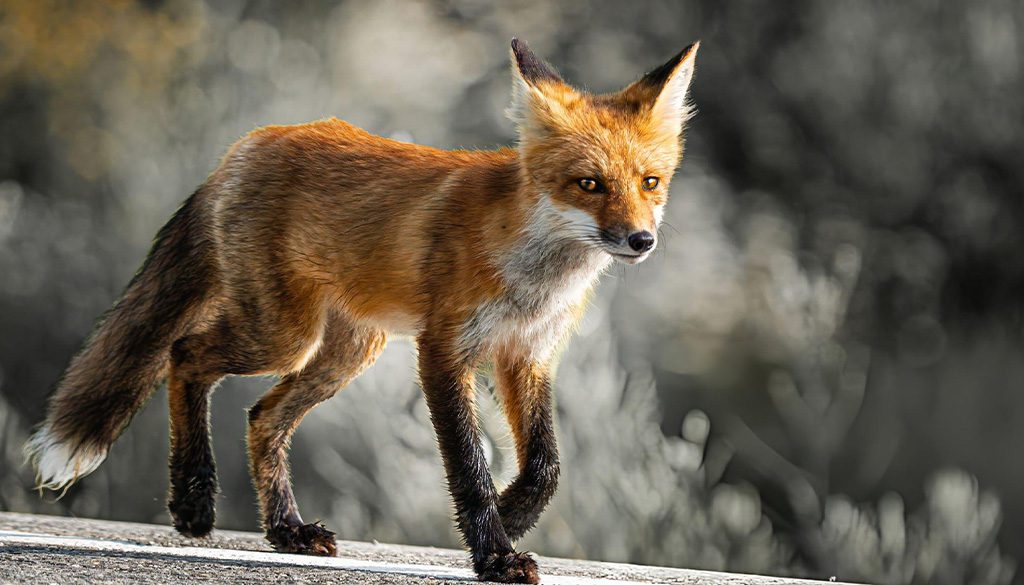
How rare is it, really, to see a red fox? The surprising answer is a fascinating paradox: while red foxes are among the most abundant and geographically widespread wild carnivores on the planet, catching a glimpse of one with your own eyes can still feel like a rare, once-in-a-blue-moon event. They are remarkably common in biological numbers, but their ghost-like stealth, crepuscular habits, and sharp senses mean that most human encounters are fleeting moments of sheer coincidence.
Red foxes are ecological generalists, meaning they can adapt to almost any environment on Earth. Yet, the vast majority of people who live alongside them may go years, or even a lifetime, without ever seeing one in the flesh. When considering how rare a red fox encounter is, it helps to understand that their actual numbers do not mirror their visibility.
The Evolutionary Biology of Elusiveness
This striking contrast between high population numbers and low visibility comes down to evolutionary survival strategies. Red foxes are predominantly crepuscular and nocturnal, meaning their activity peaks during the twilight hours of dawn and dusk, or under the full cover of night when human activity dies down. While we are sleeping or settling indoors for the evening, they are out patrolling their territories, hunting small rodents, and foraging for berries. Their keen eyesight is specially adapted for low-light conditions, giving them a distinct advantage in the dark while keeping them hidden from human eyes.
Even when a red fox ventures out during the daytime, its senses are tuned to detect potential threats long before we ever notice its presence. A fox boasts incredible hearing capable of picking up the rustle of a field mouse beneath several inches of snow, alongside a sharp sense of smell that scans the wind for predators. Long before a human hiker comes walking down a forest trail, the fox has usually heard the heavy footsteps or caught the scent, quietly slipping into the shadows or blending into the tall grass. Their striking reddish coat, which seems so vivid in photographs, actually serves as exceptional camouflage in dappled woodland light, dried grass, and fallen autumn leaves.
Rural vs. Urban Habitats
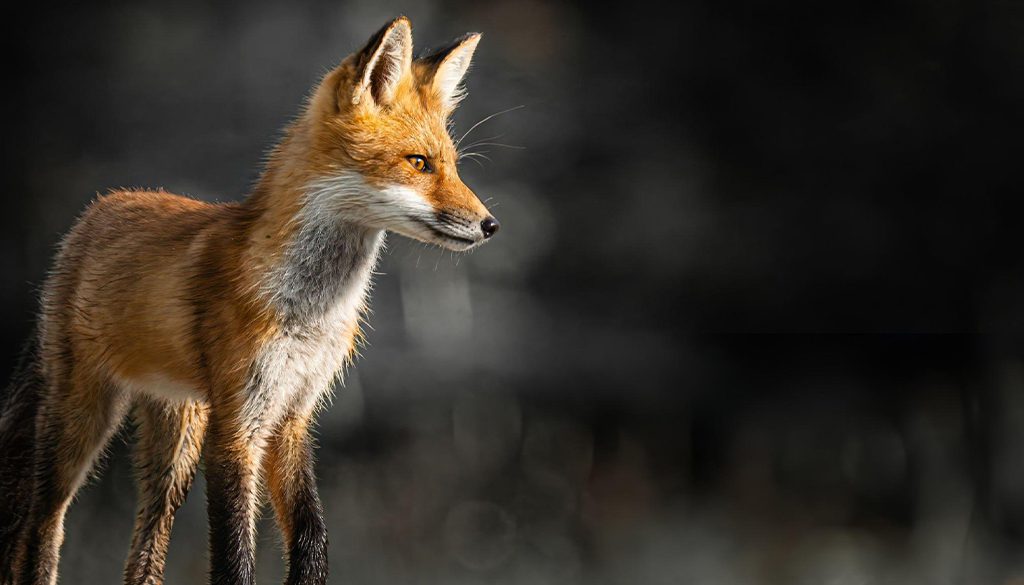
However, the likelihood of seeing a red fox changes dramatically depending on where you are and the time of year. In rural agricultural areas and deep forests, foxes tend to maintain a healthy fear of humans, making sightings in these regions relatively rare and short-lived. In these secluded environments, asking how rare is a red fox sighting usually yields a much different answer than in urbanized zones.
In contrast, urban and suburban environments present a completely different dynamic. Cities offer abundant food sources, from unattended pet dishes and unsecured trash cans to high concentrations of mice and squirrels. Urban foxes often become habituated to human sounds and traffic, leading to more frequent daytime sightings as they comfortably navigate residential gardens, golf courses, and quiet alleyways.
Seasonal Behaviors and Daily Patterns
Seasonality also plays a massive role in how easy it is to spot one. Late winter and early spring bring the breeding season, a time when foxes become far more active, vocal, and bolder during daylight hours as males search for mates and establish territory lines.
By late spring and early summer, parent foxes face the constant demand of feeding a hungry litter of kits. During this time, adults are forced to hunt around the clock, drastically increasing your chances of spotting a fox actively foraging in daylight. If you are lucky enough to locate a den site from a respectful distance, you might even witness young kits tumbling and playing outside the entrance as they learn crucial survival skills.
What makes an encounter with a red fox truly magical is not their biological scarcity, but the elusive nature of the animal itself. They exist on the periphery of our daily lives, sharing our neighborhoods and wild spaces while remaining masters of secrecy. So, while seeing a red fox isn’t scientifically rare, it remains one of nature’s most special moments—a brief, enchanting reminder of the wild world thriving quietly right beside us.
Tips for Spotting One Safely and Responsibly
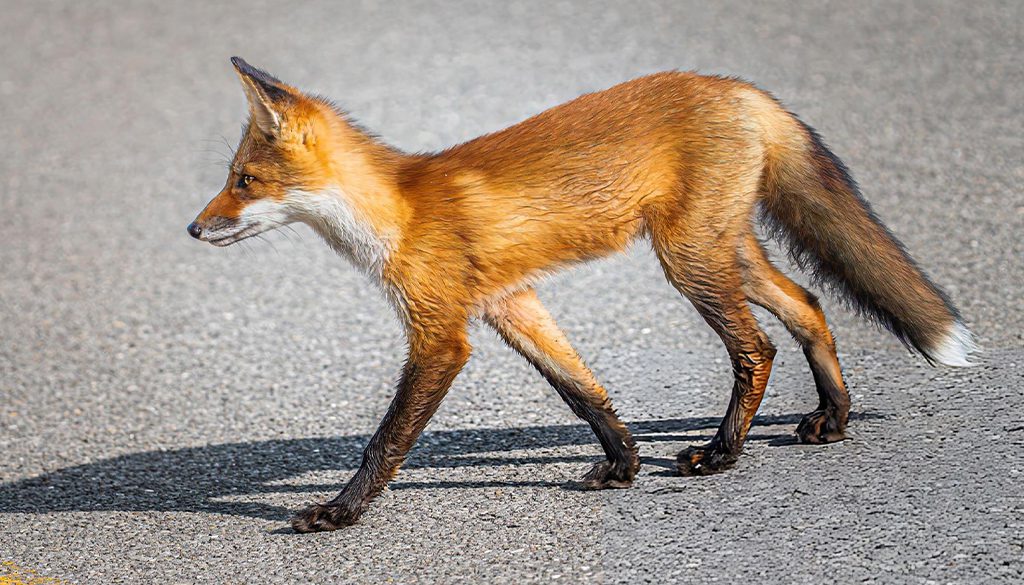
If you are eager to catch a glimpse of these stealthy creatures, increasing your chances comes down to understanding their daily habits and respecting their natural boundaries.
-
Time Your Outings: Head out during dawn or dusk along edge habitats where woodlands meet fields, or around quiet suburban trails.
-
Stay Downwind: Keep wind directions in mind so your scent does not alert the fox before you spot it.
-
Move Quietly and Minimize Disturbance: Walk softly and avoid bright clothing; sitting patiently in a spot with good visibility is often better than actively searching.
-
Keep Your Distance: Always use binoculars or a telephoto camera lens rather than approaching, and never offer food to a wild fox.
Ultimately, while the species itself is thriving globally, every sighting feels like a rare privilege earned through patience and luck.
Help Me Plan My Trip
GET IN TOUCH
To contact an expert travel planner to start planning your adventure in Kenya, click the button below:


