

How Long Do Waterbucks Live in the Wild and Captivity
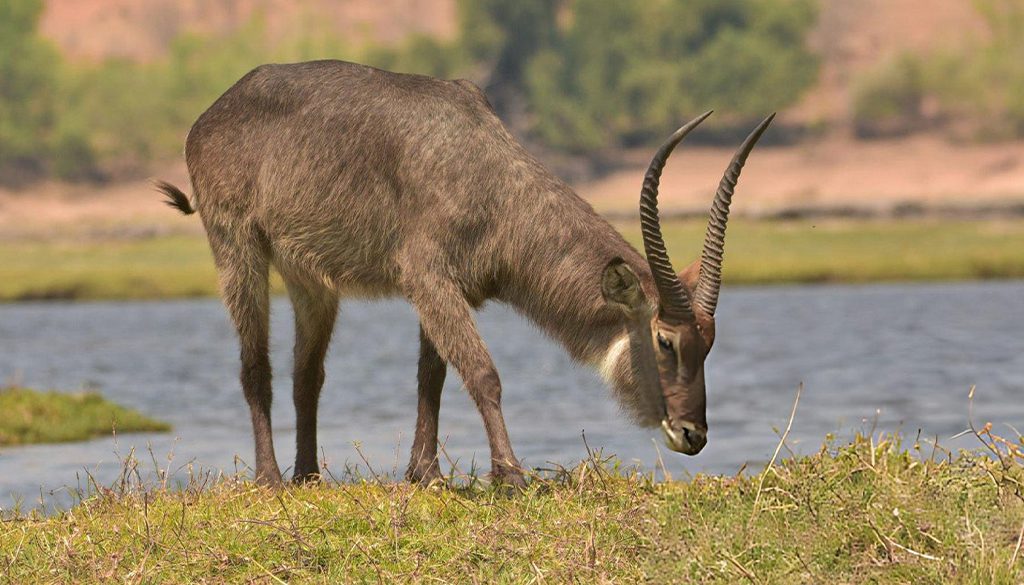
How Long Do Waterbucks Live in the Wild and in Captivity? On average, a waterbuck living in the wild has a lifespan of 11 to 18 years. However, under protective care in captivity, exceptional individuals can reach up to 30 years.
This ultimate guide breaks down the full life cycle of the waterbuck, the factors influencing their survival, the threats they face in the wild, and how their lifespan compares to other African antelopes.
Average Lifespan: Wild vs. Captivity
The lifespan of a waterbuck varies significantly based on habitat security, food availability, and health care.
Environment | Average Lifespan | Maximum Recorded Age |
Wild Habitat | 11 – 18 Years | ~18 Years |
Captivity / Refuges | 18 – 25 Years | 30 Years |
In free-ranging ecosystems such as the Kruger National Park or the Serengeti, survival beyond 12 years is challenging due to the heavy presence of apex predators, territorial conflicts, and natural disease outbreaks. In human care or protected sanctuaries, routine veterinary support and guaranteed nutrition eliminate most early-life mortality risks.
Life Stages of the Waterbuck
To fully understand how long waterbucks live, it helps to examine their growth trajectory from birth through adulthood.
1. Calf Stage (0 to 6 Months)
-
Gestation: Females give birth to a single calf after a gestation period of roughly 8.5 to 9 months.
-
Concealment Behavior: For the first 2 to 4 weeks of life, a newborn calf remains hidden in dense vegetation away from the herd to prevent detection by predators.
-
Weaning: Weaning occurs between 6 and 7 months. This initial stage carries the highest mortality rate in the wild due to predation by hyenas, leopards, and jackals.

2. Sub-Adult and Separation (7 to 18 Months)
-
Sexual Maturity: Females reach sexual maturity around 12 to 14 months, while males mature between 14 and 18 months.
-
Bachelor Herds: At around 7 to 9 months, young males develop horn buds. Dominant bulls force them out of the maternal herd, prompting them to form bachelor groups for protection and social hierarchy development.
3. Prime Adulthood (2 to 9 Years)
-
Territorial Claims: Around 6 to 7 years of age, dominant males attempt to establish and defend territories spanning anywhere from 150 to 600 acres near water sources.
-
Reproductive Peak: Females move through these territories in loose herds, mating with local dominant males. Prime adulthood is the most energy-intensive phase of life, requiring significant exertion to maintain territory and forage.
4. Seniority and Decline (10+ Years)
-
Loss of Territory: By age 9 or 10, territorial males are typically displaced by younger, stronger bulls.
-
Final Years: Displaced old males either join bachelor herds or live solitary lives along riverbanks until natural decline, predation, or tooth wear reduces their ability to feed efficiently.

Factors Affecting Waterbuck Longevity
When analyzing how long waterbucks live, several critical environmental, biological, and behavioral variables determine whether an individual reaches old age:
-
Predation: Waterbucks are a primary food source for lions, leopards, spotted hyenas, and Nile crocodiles. Their natural defense mechanism involves retreating deep into water bodies to deter land-based felids, but this exposes them to aquatic predators.
-
Glandular Secretions and Odor: Waterbucks possess specialized cutaneous glands that secrete a greasy, foul-smelling substance containing musk. While this secretion helps waterproof their coat for semi-aquatic life, some researchers suggest it may render their meat less appetizing to certain predators, slightly improving survival odds compared to other antelopes.
-
Severe Droughts: Waterbucks require daily intake of water and high-moisture grasses. Extended dry periods reduce forage quality and force them to travel farther from water, heightening risk of starvation and predation.
-
Disease and Parasites: Wild populations face threats from rinderpest, tick-borne diseases, and internal parasites. Captive environments manage these risks through preventative care, extending life expectancy significantly.
Comparing Waterbuck Lifespan with Other Antelopes
Waterbucks belong to the family Bovidae and the tribe Reduncini (water-loving antelopes). Here is how their average wild lifespan compares to other well-known African ungulates:
Antelope Species | Average Wild Lifespan | Typical Habitat |
Waterbuck (Kobus ellipsiprymnus) | 11 – 18 Years | Riverine Woodlands & Floodplains |
Impala (Aepyceros melampus) | 12 – 15 Years | Savanna Bushveld |
Kudu (Tragelaphus strepsiceros) | 10 – 15 Years | Dense Thickets & Woodlands |
Wildebeest (Connochaetes taurinus) | 15 – 20 Years | Open Savanna Grasslands |
Bushbuck (Tragelaphus scriptus) | 10 – 12 Years | Rainforest Edge & Dense Bush |
Help Me Plan My Trip
GET IN TOUCH
To contact an expert travel planner to start planning your adventure in Kenya, click the button below:


