

What are some interesting facts about the reedbuck?

What makes the reedbuck so extraordinary is not its sheer strength or massive herds, but its radical strategy for survival. While open-plains antelopes like wildebeests rely on the safety of thousands of moving bodies, the reedbuck takes the exact opposite approach. It relies on extreme stealth, specialized physical adaptations, and an astonishing acoustic defense system.
Physical Adaptations and Scent Marking
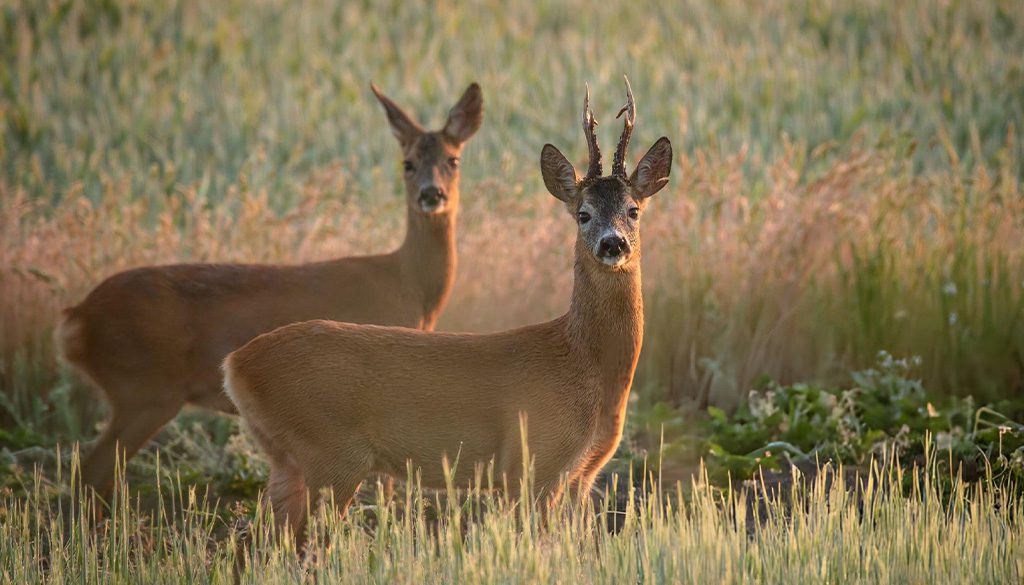
Standing around two to three feet tall at the shoulder, with a warm, golden-brown to sandy coat, they blend seamlessly into tall grasses, reed beds, and riverbanks. Only the males sport horns, which curve elegantly backward before hooking slightly forward at the tips. But if you look closely beneath their long, attentive ears, you will spot one of their most unique physical features: a distinct, bare patch of dark skin.
This isn’t an injury or a loss of fur. It is a specialized, bare scent gland known as a sub-auricular gland. These glands release chemical signals that help reedbucks identify one another and mark out their subtle boundaries in dense vegetation where visual contact is difficult. They also possess extra glands on their hind legs that can produce an audible popping sound when they jump, adding yet another layer to their complex library of signals.
Surviving High-Predator Environments
Living in wet meadows, tall marshes, and rocky hillsides, they have evolved to navigate environments where danger is always lurking nearby in the shadows. Predators all consider the reedbuck a prized meal. To survive in a world filled with high-level predators, they have perfected the art of playing dead while standing completely still. When they detect a threat, their first instinct is never to run. Instead, they freeze. They press their body down low into the thick brush, sinking beneath the top of the grass, and remain completely motionless for long stretches of time.
The Explosive Alarm System
However, if a predator stumbles too close and breaks that critical boundary of safety, they instantly shift from absolute silence to high-octane theater. In an explosive burst of movement, they launch into the air. Instead of running flat out in a straight line, they perform a specialized, bouncing leap known as stotting. Springing upward with stiff legs, they flash the bright, fluffy white underside of their tail like a glowing signal flag. At the very same moment, they expel air forcibly through their nostrils, producing that signature, razor-sharp whistle.
This sudden performance serves a brilliant double purpose:
-
To the predator: The energetic leap and the piercing whistle send a clear message: “I see you, I am healthy, and you have lost the element of surprise, so do not bother chasing me.”
-
To nearby reedbucks: The loud blast and the flashing white tail act as an immediate air-raid siren, warning the family unit to duck for cover or prepare to flee.
The Three Distinct Species
Interestingly, there are three distinct species scattered across Africa, each adapted to a slightly different ecological niche:
Species | Primary Habitat | Distinguishing Features |
Southern Reedbuck (Redunca arundinum) | Damp grasslands & river valleys | Largest of the family, robust frame, golden coat |
Bohor Reedbuck (Redunca redunca) | Floodplains & marshlands | Medium build, bright yellowish-red coat |
Mountain Reedbuck (Redunca fulvorufula) | Steep, rocky slopes & highlands | Smaller size, grayer coat, highly drought-tolerant |
Social Structure and Daily Routines
Despite their different habitats, all species share a fascinating social structure. They do not form massive, migrating herds that kick up clouds of dust across the savanna. Instead, they prefer an intimate, settled lifestyle. They live mostly in breeding pairs, small family groups of three to six, or as solitary territory holders. Males are fiercely territorial, establishing home ranges that they guard year-round. Rather than engaging in constant, dangerous physical fights, male reedbucks advertise their territorial boundaries using visual displays and acoustic whistling calls that echo across the valley.
Their daily routine is equally specialized. They are primarily nocturnal or crepuscular, meaning they do the vast majority of their feeding during the cool twilight hours of dawn and dusk, as well as under the dark cover of night. During the heat of the midday sun, while other animals crowd around waterholes, they lie quietly in the shade of dense foliage, chewing their cud and conserving water. In fact, species like the mountain reedbuck have developed such an efficient metabolic system that they can go extended periods without drinking open water at all, extracting all the hydration they need purely from the sap and moisture inside the leaves and grasses they eat.
Help Me Plan My Trip
GET IN TOUCH
To contact an expert travel planner to start planning your adventure in Kenya, click the button below:


