How Long Do Giraffes Live in the Wild? Exploring Their Lifespan in the Wild

Giraffes live an average of 20 to 25 years, although several factors can stretch or shorten this lifespan. Their longevity is shaped by predators, habitat changes, nutrition, and the complex social rhythms of life in the wild. Understanding how long giraffes live reveals not just numbers, but the survival story behind one of Africa’s most iconic creatures.
To truly appreciate their lifespan, it helps to explore the deeper forces that influence how long giraffes live, how they age, and what challenges they face throughout their lives. Below are seven key insights that bring this story to life.
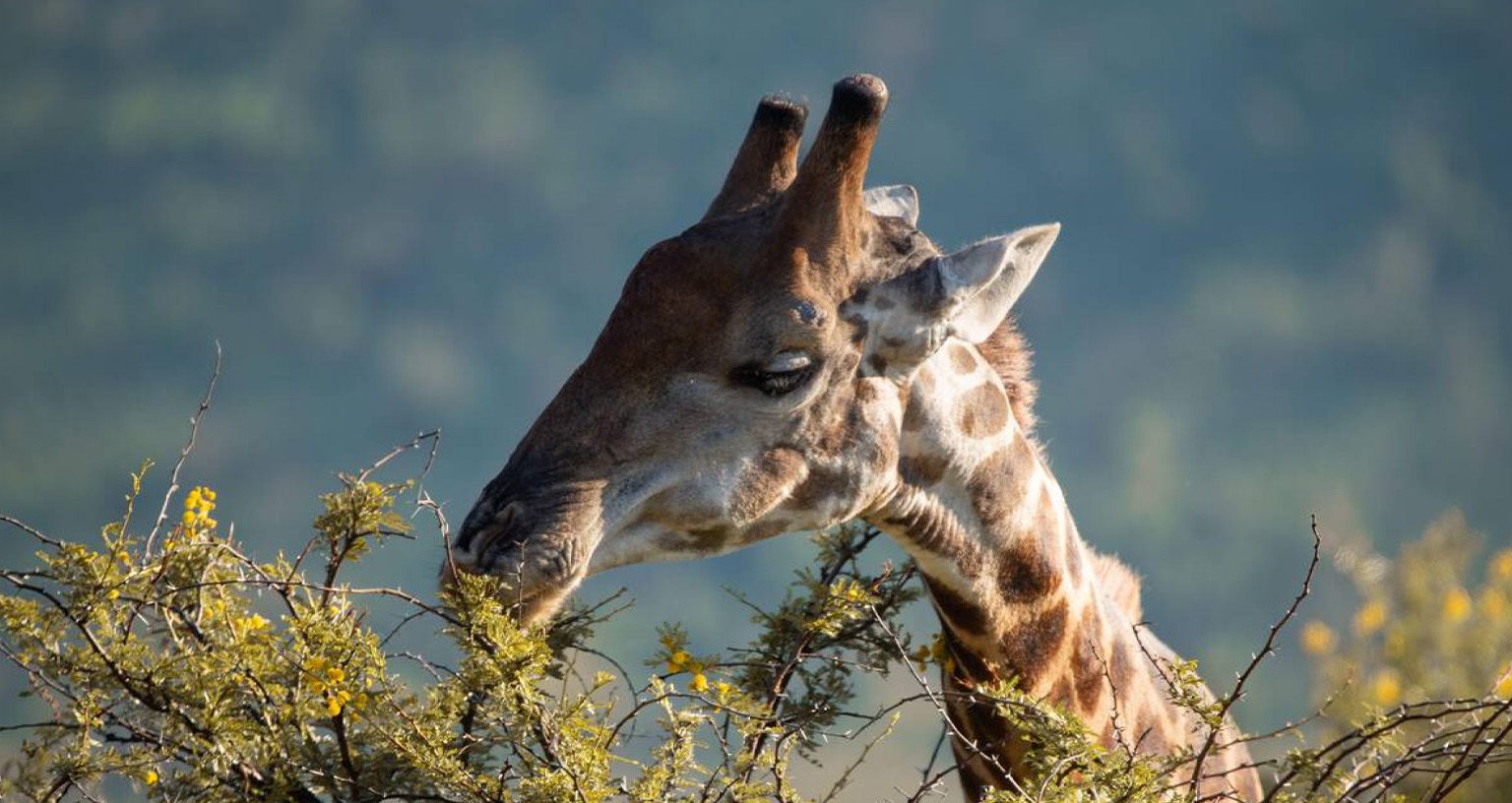
1. Giraffes Live Longer in Protected Habitats Compared to Harsh Wilderness
While the average wild lifespan is about 20 – 25 years, giraffes living in well-protected reserves tend to surpass this age bracket. When poaching pressure is low and predators are monitored, giraffes live longer because stress, injuries, and territorial dangers are minimized. Areas with strong conservation work, like parts of Kenya and Tanzania, have shown higher longevity trends.
In contrast, giraffes living in unprotected or drought-stricken regions often face tougher conditions, reducing their chances of reaching old age.
2. Nutrition Plays a Massive Role in How Long Giraffes Live
Food availability is one of the strongest influences on how long giraffes live in the wild. Because giraffes thrive on leaves, shoots, and flowers from trees like acacias, seasonal shifts affect their lifespan. When rains are reliable, vegetation flourishes, and giraffes benefit from consistent, nutrient-rich diets.
During droughts, however, competition intensifies and food becomes scarce. Malnutrition increases vulnerability to disease, predation, and infertility, ultimately shortening giraffe lifespan. Their height advantage does help; they can browse where other herbivores cannot, but even this cannot fully counter the challenges of prolonged food shortages.
3. The First Few Years Are the Most Dangerous
Although adult giraffes live relatively long lives, their calves face extremely high mortality rates. Young giraffes are fragile and easy targets, especially for lions, hyenas, and leopards.
Studies show that more than half of giraffe calves do not survive their first year in certain regions. This early drop drastically impacts population growth and affects the overall average lifespan figures for giraffes in general. Those who make it past age three, however, have a significantly greater chance of reaching adulthood and enjoying the long lifespan giraffes are known for.
4. Predators Shape Life Expectancy for Wild Giraffes
Adult giraffes are rarely hunted because their size, height, and powerful kicks make them formidable. Still, predators influence how long giraffes live by targeting juveniles and weaker adults. Lions are the primary threat, especially for the young or the sick.
Older giraffes can also fall victim when mobility slows down. Injuries from falls, territorial conflicts, or old age weaken them, making them more susceptible to predators. Essentially, giraffes live longer when living in areas with balanced predator populations and stable ecosystems.
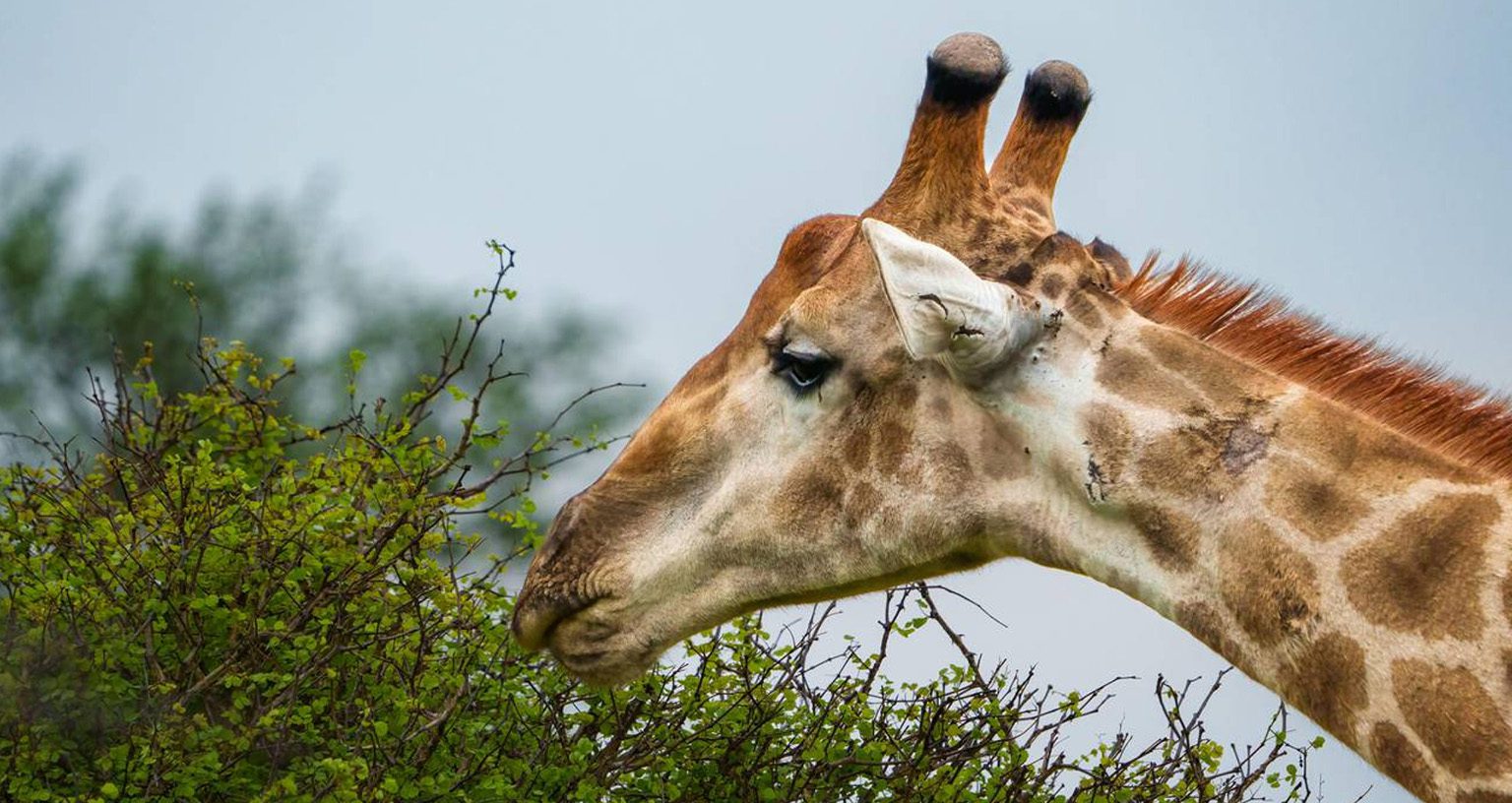
5. Giraffe Lifespan Differs Between Males and Females
Sex plays a significant role in determining the lifespan of giraffes.
-
Female giraffes generally live longer, often reaching the upper end of the 25-year range. Their calmer lifestyles and fewer physical fights contribute to this.
-
Male giraffes, on the other hand, engage in “necking” battles -dramatic, forceful encounters where they swing their heads like heavy hammers to compete for dominance and mates. These fights can lead to broken bones, neck injuries, or long-term mobility complications, which affect survival.
Because of this, males often have slightly shorter lifespans than females in the wild.
6. Environmental Change Is Becoming a Major Threat
Habitat loss, human expansion, and climate change are emerging pressures that affect the lifespan of giraffes today. Shrinking forests, fencing, and farmland development restrict movement, fragment populations, and reduce access to feeding grounds.
As climate patterns shift, droughts are becoming more frequent and severe in regions where giraffes historically thrived. When ecosystems change faster than giraffes can adapt, their lifespan—and population numbers—suffer. Conservation efforts now focus heavily on maintaining the open savannahs and tree-covered landscapes that giraffes depend on.
7. Conservation Efforts Are Helping Giraffes Live Longer Than Before
Despite the challenges, there is good news: conservation programs across Africa are helping giraffes live longer than they did just a decade ago. Protective measures, community involvement, anti-poaching patrols, and habitat restoration have shown measurable results.
In some regions, giraffe numbers are slowly increasing, and average age ranges are improving. When communities are empowered to protect wildlife, giraffes benefit directly – gaining safer environments that allow them to live fuller, longer lives.
Help Me Plan My Trip
GET IN TOUCH
To contact an expert travel planner to start planning your adventure in Kenya, click the button below: