Elephant’s Lifespan: How Long Do Elephants Live in the Wild?

An elephant’s lifespan is a remarkable biological journey that closely parallels human longevity. In natural environments, a healthy elephant’s lifespan can reach 60 to 70 years. However, the true story of an elephant lifespan is not merely recorded in the passage of decades. It is written on the worn soles of their massive feet, held within the deep memories of matriarchs, and governed by the gradual, inevitable grinding down of their teeth. Understanding the full scope of an elephant lifespan requires looking beyond simple numbers to examine how physical movement, social structures, nutrition, and environmental factors intersect to sustain these magnificent creatures over nearly three-quarters of a century.
The Physical Demands of Daily Survival
A major factor influencing an elephant’s lifespan is their daily routine. In natural habitats, wild elephants spend up to eighteen hours every single day engaged in a single primary activity: searching for and consuming food. Moving across expansive landscapes, an adult can consume hundreds of pounds of vegetation, including tough grasses, leafy foliage, tree bark, and thick roots. Walking tens of miles every day is not merely a means of finding nourishment; it is a fundamental requirement for maintaining their physical condition.
Continuous exercise across diverse terrain directly supports an optimal elephant lifespan. It keeps their massive joints flexible, prevents cardiovascular decline, and maintains healthy muscle tone. The constant physical exertion ensures that their digestive systems process vast quantities of fibrous plant material efficiently. Without this regular movement, an elephant’s bodily systems quickly suffer, demonstrating how closely their wild habits are tied to their overall vitality.
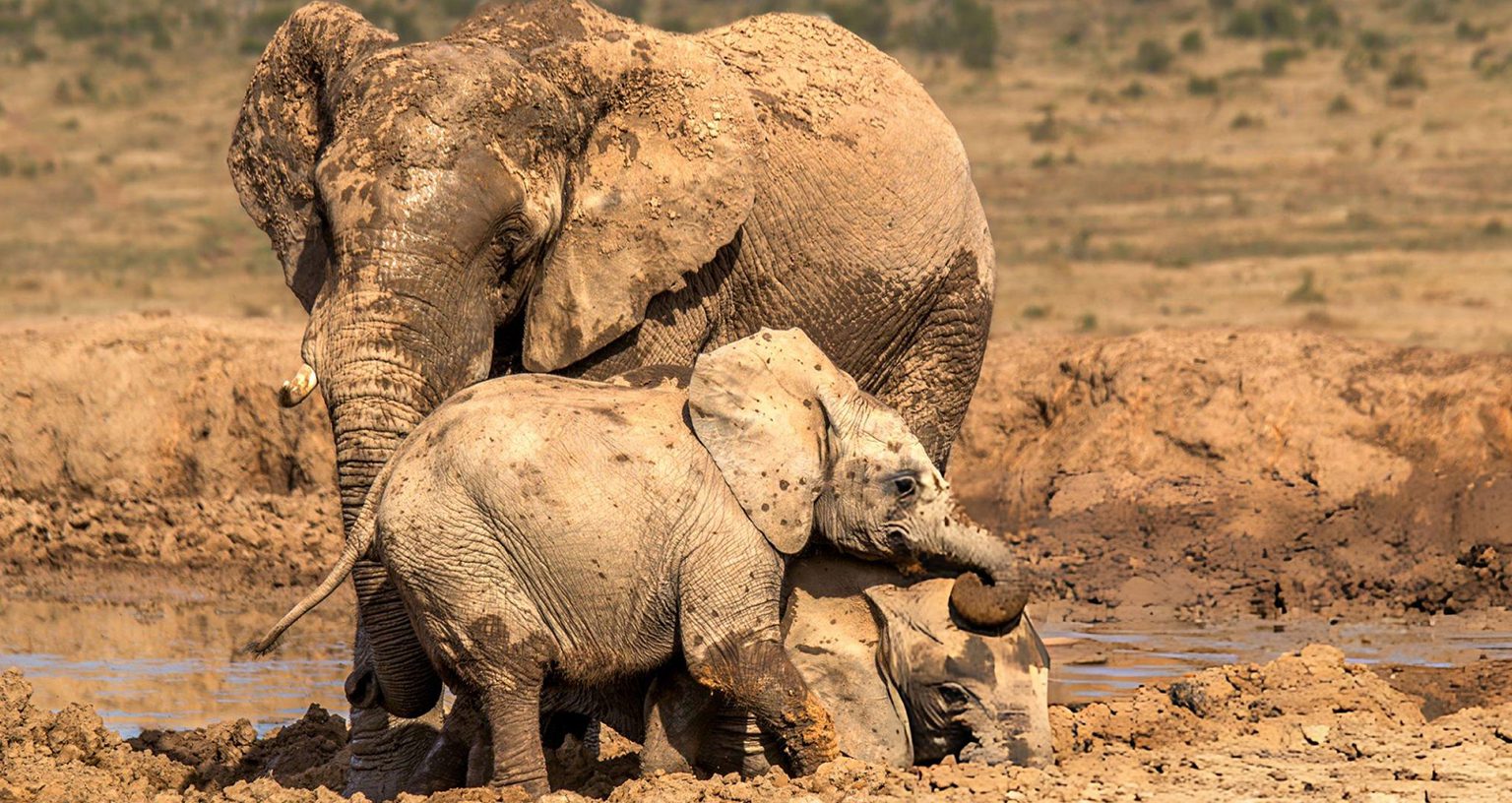
The Biological Hourglass: Dental Evolution
Curiously, nature has tied the natural limit of an elephant’s lifespan to a highly specialized biological mechanism: their dental structure. Unlike humans and most other mammals, who receive only two sets of teeth during their lifetime, elephants develop six sequential sets of molars over the course of their lives. These massive, ridged teeth do not emerge all at once. Instead, they function like a horizontal conveyor belt inside the jaw.
As a set of molars wears down from constant chewing, a new set forms at the back of the jaw and slowly moves forward to replace the worn teeth at the front.
-
Early Years: The first three sets of molars wear out during childhood and early adulthood.
-
Mid-Life: The fourth and fifth sets carry the elephant through its prime adult years.
-
Final Set: By the time an elephant reaches its late fifties, it is usually relying on its sixth and final set of molars.
Over the next decade or two, as those final molars grind down against tough, abrasive vegetation, they eventually become smooth nubs. When an elephant can no longer grind fibrous plants effectively, it loses the ability to process nutrients. Therefore, the natural limit of an elephant’s lifespan in nature is frequently dictated not by organ failure or disease, but by the physical lifespan of their final set of teeth.
Social Dynamics and the Matriarch’s Role
Survival across decades is not purely a physical challenge; it relies heavily on complex social structures. The extended duration of an elephant lifespan is deeply intertwined with herd dynamics. Elephants live in tight-knit, matriarchal groups composed of related females and their young. The matriarch, typically the oldest and largest female in the herd, often holds fifty or sixty years of ecological memory.
This generational knowledge directly enhances the collective elephant lifespan of the entire family unit. During severe droughts, an experienced matriarch remembers the locations of distant waterholes that remain full when local sources dry up. She knows where rare feeding groves exist and how to navigate around dangerous obstacles or human settlements. Younger herd members rely entirely on this guidance. By mitigating environmental risks, the matriarch’s wisdom serves as a crucial protective buffer, allowing individual members of the herd to reach their full biological potential.
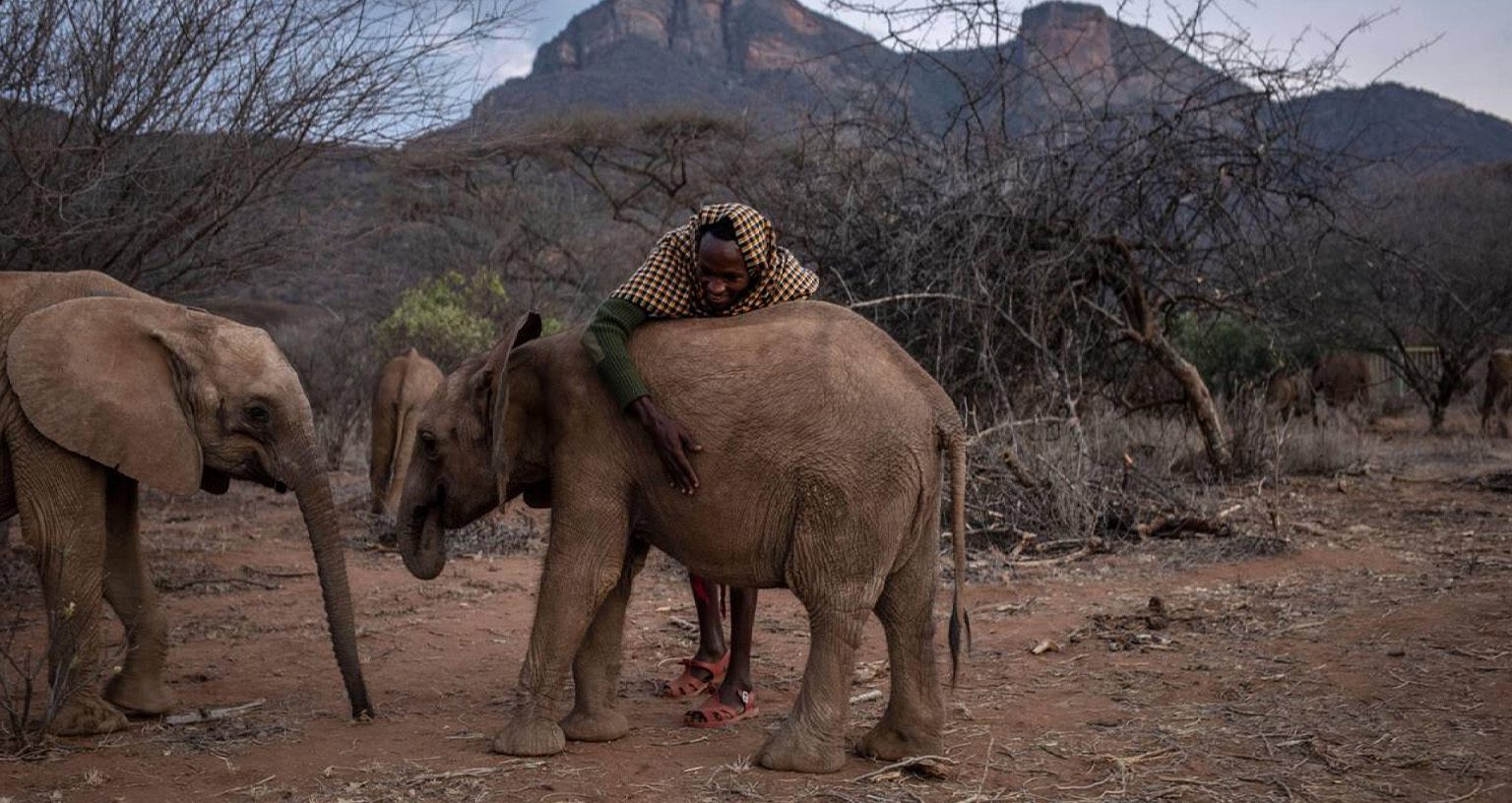
Habitat Differences and Human Impact
Where an elephant resides dramatically alters their prospective lifespan. While six to seven decades remains the benchmark in natural habitats, elephants living in traditional captive conditions often experience a significantly abbreviated life expectancy, frequently averaging only thirty to forty years. This stark contrast often surprises observers, given that captive animals receive regular meals and medical care while remaining safe from predators, poaching, and climate fluctuations.
However, spatial limitations play a major role in short-circuiting a healthy elephant lifespan. Standing for long periods on hard surfaces without room to walk miles daily frequently leads to severe foot infections and joint deterioration. Furthermore, the absence of natural family structures and broad roaming grounds can cause chronic psychological stress. When deprived of natural movement and dynamic social bonds, their physical health tends to decline much earlier in life.
The Broader Ecological Legacy
When provided with vast tracts of land, natural terrain, and stable family units, these gentle giants fulfill their complete biological potential. They age alongside their kin, passing down vital survival skills while shaping the surrounding landscape. By knocking down trees, creating trails, clearing brush, and dispersing seeds through their dung, they engineer healthy ecosystems that support hundreds of other species. Ultimately, an elephant’s lifespan is not just a measure of time passed; it represents decades of active stewardship over the natural world.
Help Me Plan My Trip
GET IN TOUCH
To contact an expert travel planner to start planning your adventure in Kenya, click the button below: