What Is an Elephant’s Worst Enemy?
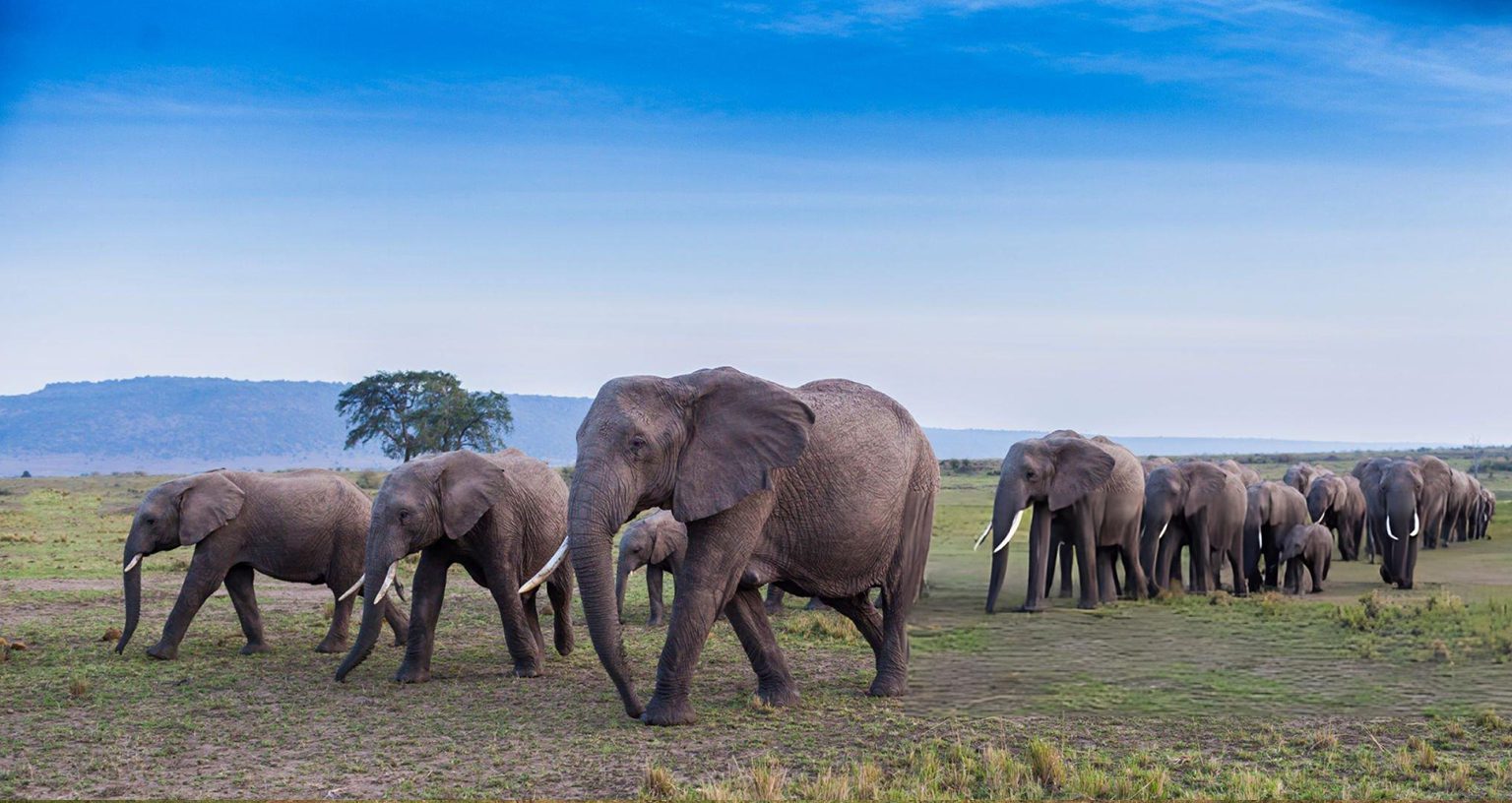
An elephant’s worst enemy isn’t the apex predator you might expect—it isn’t a pride of lions, a stealthy leopard, or a pack of hyenas. It is humans. While nature has engineered these majestic, seven-ton giants to be virtually untouchable in the wild, human activity—through illegal poaching, habitat destruction, and climate change—presents an existential threat that no animal defenses can overcome.
To understand why humans pose such an unprecedented threat to elephants, we first have to look at how secure their place in nature truly is.
Do Elephants Have Any Natural Predators?
Potential Threat | Target Group | Risk Level | Human Equivalent |
Lions | Calves & Sick Juveniles | Low to Moderate | High Threat (Guns / Snares) |
Hyenas | Isolated Vulnerable Calves | Low | Extreme Threat (Poaching) |
Crocodiles | Drinking Calves | Low | High Threat (Habitat Loss) |
Humans | All Elephants (Adults & Matriarchs) | Critical Threat | #1 Worst Enemy |
While a pride of hungry lions or a pack of hyenas might occasionally test their luck against a vulnerable, stray calf during times of extreme drought, even the largest predators give a wide berth to a fully grown adult. A single swipe of a trunk can deliver hundreds of pounds of force, and a charge from an enraged bull or a protective matriarch can turn an apex predator into prey in a matter of seconds. For millions of years, the evolutionary contract was simple: respect the elephant, and survive.
How Humans Became the Elephant’s Worst Enemy
That natural order was shattered when a very different kind of predator stepped onto the scene. Unlike the lion, which hunts out of immediate physical necessity and relies on strength, humans hunt using technology, greed, and rapid land expansion.

1. The Global Ivory Trade
For centuries, the most direct manifestation of this threat has been the global ivory trade. Elephants carry a tragic curse upon their faces—tusks made of dentine, an exquisite material that human cultures have prized as “white gold.” To feed the global demand for decorative trinkets, billiard balls, and statues, millions of elephants have been slaughtered over generations.
Poachers armed with high-powered rifles, night-vision optics, and poisoned arrows can end a fifty-year-old bull’s life in a fraction of a second, from hundreds of yards away, completely stripping the animal of its natural physical advantages.
2. Habitat Loss and Fragmentation
Yet, as devastating as poaching is, an even more silent and relentless threat looms over the species: habitat loss. As human populations explode across Africa and Asia, cities expand, farmland stretches into ancient wilderness, and roads carve through ancestral migratory routes.
Elephants are creatures of immense scale, requiring vast territories to find the hundreds of pounds of vegetation and dozens of gallons of water they need to survive every single day. When humans fence off these ancient highways, herds become trapped in shrinking islands of wilderness.
3. Human-Elephant Conflict
When forced onto farmland to search for food, explosive human-elephant conflict arises. A farmer whose entire year’s crop can be devoured by a herd in a single night will naturally defend their livelihood. This leads to deadly clashes where both humans and elephants lose their lives.

The Psychological Toll on Elephant Herds
Perhaps the most tragic aspect of human impact on elephants is what it does to their rich, complex emotional lives. Elephants are not merely large animals; they possess deep intelligence, sophisticated language, and profound emotional capacity.
-
Mourning the Dead: Elephants visit the bones of fallen family members and gently caress them with their trunks.
-
Loss of Knowledge: They pass down decades of survival wisdom from one generation to the next.
-
Trauma & PTSD: Studies have shown that young elephants who witness the traumatic loss of their families display signs of severe post-traumatic stress, growing up aggressive and anxious.
When poachers kill an old matriarch, they aren’t just killing one animal—they are destroying a living library. The matriarch holds the mental map of where to find water during a once-in-a-century drought or how to navigate dangerous terrain. Without her, the younger generation is left disoriented, grieving, and far more vulnerable to survival threats.

Climate Change: The Invisible Threat
Beyond direct conflict and shrinking land, climate change—another byproduct of human industry—is altering the very weather patterns these giants rely on.
Prolonged droughts dry up waterholes that herds have visited for centuries, forcing matriarchs to lead their families on grueling, desperate treks across scorched landscapes. During these harsh periods, the young and elderly frequently perish from sheer exhaustion.
Becoming the Greatest Protector
Yet, in this dark narrative lies a powerful twist of irony. Because humanity holds the title of being an elephant’s worst enemy, we also hold the unique power to be their greatest protector. Across the world, dedicated conservationists, indigenous communities, and park rangers are risking their lives to rewrite this story.
Anti-poaching units patrol vast reserves, scientists deploy satellite collars to track and protect migrating herds, and local communities are designing creative solutions—like building beehive fences. These beehive fences exploit an elephant’s natural fear of bees to keep them away from agricultural crops without causing any harm.
Through targeted conservation, stricter ivory bans, and habitat corridors, humans can transition from being the ultimate threat to the ultimate guardian of these iconic giants.
In the wild, adult elephants have virtually no natural predators. A healthy, grown elephant is simply too colossal, too powerful, and too socially protected for any carnivore to hunt.
Help Me Plan My Trip
GET IN TOUCH
To contact an expert travel planner to start planning your adventure in Kenya, click the button below: