

The Reteti Elephant Sanctuary: A Heartwarming Elephant Sanctuary Kenya Experience
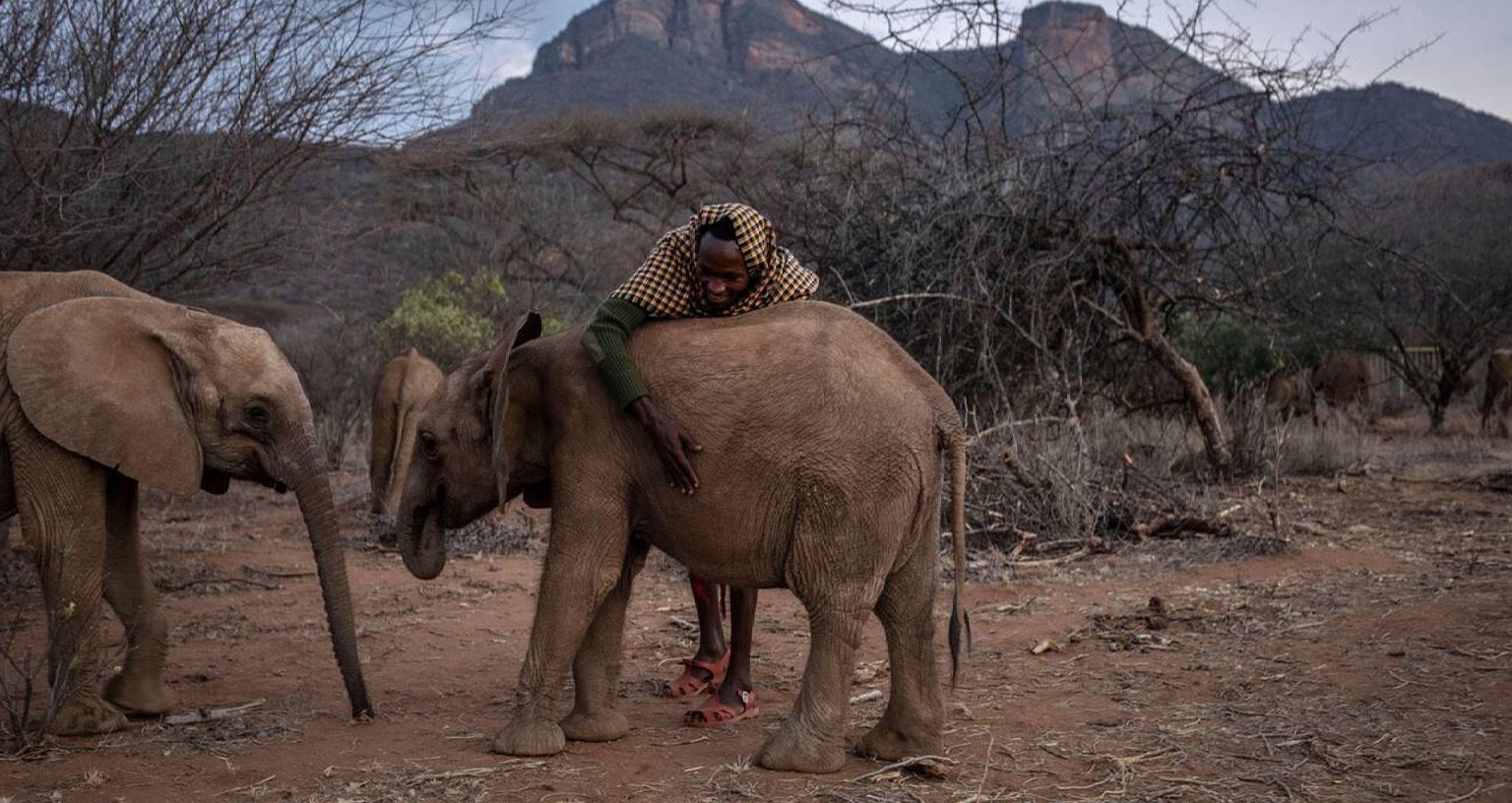
The Reteti Elephant Sanctuary is more than a tourist destination; it is a testament to the resilience of nature and the power of human compassion. Established in 2016, this sanctuary is not just another animal orphanage; it is a pioneering, community-owned beacon of hope. Here, the goal isn’t just to save a life, but to return it to the wild.
The Heartbeat of Northern Kenya
The Reteti Elephant Sanctuary was born out of a desperate need. In the arid stretches of Samburu County, young elephants often fall into “well-traps”- deep holes dug by local herders to find water for their livestock. In the past, these calves were often lost to the elements or predators. Today, thanks to the Reteti Elephant Sanctuary, a call to the rapid response team changes everything.
What makes this sanctuary truly unique is its ownership. It is the first community-owned and run elephant sanctuary in Africa. Every keeper, every ranger, and every administrator comes from the local Samburu community. By visiting, you aren’t just a spectator; you are directly supporting a sustainable model where local people benefit from protecting the wildlife they once feared.

Empowering the Samburu Women
One of the most inspiring aspects of the Reteti Elephant Sanctuary is its role in social transformation. Historically, elephant care was seen as a man’s job. However, Reteti has shattered these glass ceilings by employing the first female elephant keepers in Kenya.
Watching these “Milk Mamas” expertly handle 200-pound calves with a mixture of firm discipline and maternal tenderness is a breathtaking sight. These women are now leaders in their community, proving that conservation is a powerful tool for gender equality and economic independence.
The Daily Rhythm: Milk, Mud, and Memories
A visit to the Reteti Elephant Sanctuary is carefully timed to coincide with the calves’ feeding sessions. There are usually two public viewing slots: the Morning Feed (8:30 AM – 10:00 AM) and the Midday Feed (11:30 AM – 1:00 PM).
As you stand on the elevated wooden viewing platform, the air suddenly fills with high-pitched trumpets and the thundering of small hooves. The calves charge toward the feeding station, where keepers wait with giant specialized bottles. Each elephant at the Reteti Elephant Sanctuary consumes roughly eight bottles of milk a day, a formula specifically designed to mimic the nutrients of their mother’s milk.
Following the feeding, the “mud bath” begins. It is impossible not to smile as you watch the orphans roll, splash, and playfully wrestle in the red Kenyan soil. This isn’t just for fun; the mud acts as a vital sunscreen and parasite repellent, essential for their survival once they are rewilded.
The Journey to Rewilding
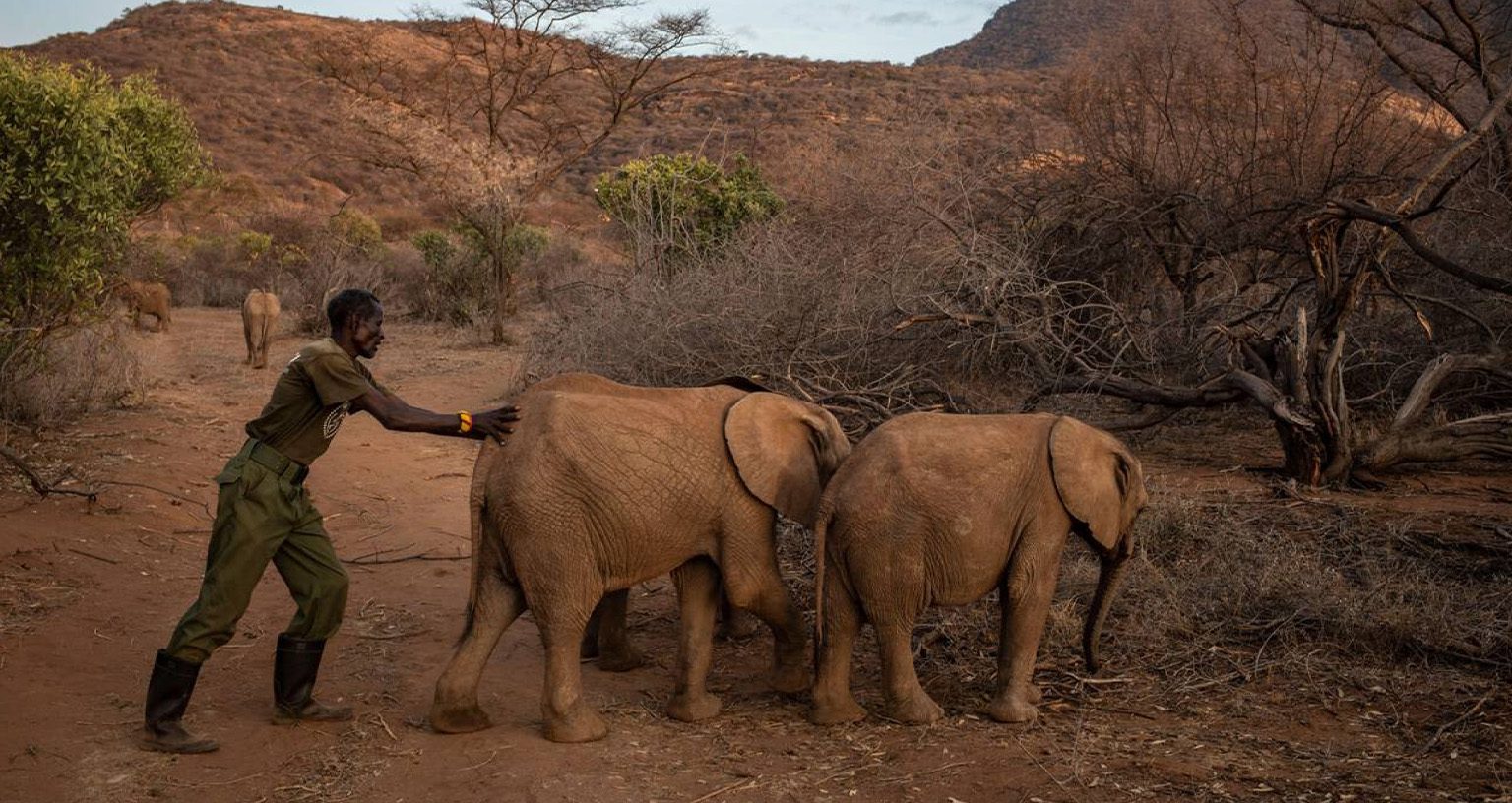
The ultimate mission of the Reteti Elephant Sanctuary is “Rescue, Rehabilitate, and Release.” Once a calf reaches about three to four years of age and is no longer dependent on milk, the process of rewilding begins.
The Reteti Elephant Sanctuary uses sophisticated GPS collars to monitor these “graduates” as they are integrated back into wild herds. It is a bittersweet moment for the keepers, but it is the highest achievement of the sanctuary. Seeing a once-malnourished calf leading a wild life in the Mathews Range is the ultimate reward for the community’s hard work.
Practical Tips for Your Visit
-
Book in Advance: You must book your visit at least 24 hours in advance. Same-day walk-ins are not permitted.
-
What to Wear: Stick to “bush colors”- earthy tones like khaki, brown, or dark green. Avoid bright whites or neons, which can startle the animals.
-
Donations: International visitor fees are typically around $35 (subject to change), which serves as a donation to the sanctuary’s operations.
-
Getting There: The Reteti Elephant Sanctuary is approximately an 8-hour drive from Nairobi. Most visitors choose to fly into nearby airstrips like Kalama or Samburu or stay at local lodges like Sarara Camp.
Help Me Plan My Trip
GET IN TOUCH
To contact an expert travel planner to start planning your adventure in Kenya, click the button below:


