The Secret Season: Why You Must Experience a Kenya Safari in March 2027

Is a Kenya Safari in March Right for You? Absolutely yes, if you are a traveler who values peace, photography, and pocket-friendly luxury. While the Great Migration is spectacular, there is something profoundly moving about the quiet, green beauty of the Mara in the early spring.
As we look toward 2027, March is shaping up to be a standout month for those who want to see the wild heart of Africa without the crowds. Here is why you should ignore the “peak season” hype and book your ticket for the secret season.
1. The Magic of the Green Season Transition
By the time March arrives, the short rains of the previous months have transformed the parched savannah into a lush, green paradise. For anyone embarking on a Kenya safari in March, the first thing you’ll notice is the color. The dust has settled, the air is crisp and clear, and the “Yellow Fever” acacia trees glow against a backdrop of dramatic, bruised-purple skies.
This is a photographer’s dream. Unlike the hazy, dry months when dust can obscure the horizon, the clarity of the air in March allows for sharp, high-contrast shots of wildlife against vivid landscapes. Whether you are in the Masai Mara or the shadow of Mount Kilimanjaro in Amboseli, the lighting during a Kenya safari in March is arguably the best of the year.

2. Witness the Heart-Pounding Calving Season
One of the most compelling reasons to choose a Kenya safari in March is the abundance of new life. Many herbivore species, including antelopes, zebras, and wildebeest, time their birthing cycles to coincide with the flush of new green grass.
While watching a wobbly-legged gazelle fawn take its first steps is a soul-stirring sight, it also signals the start of intense predator activity. Lions, leopards, and cheetahs are acutely aware that “baby season” means easier targets. It is common to witness high-stakes hunts as big cats take advantage of the dense cover and the vulnerability of the herds. It is nature at its most raw and unfiltered.
3. Why 2027 is the Year for Exclusivity
As global travel trends shift toward “slow travel” and “quiet luxury,” a Kenya safari in March fits the bill perfectly. Because this is considered a “shoulder season,” the number of safari vehicles at a sighting is significantly lower. Imagine having a pride of lions all to yourself in the Mara Triangle, or watching a massive “tusker” elephant roam the swamps of Amboseli without a dozen other vans blocking your view.
In 2027, many luxury lodges are offering specialized “Green Season” packages. Choosing a Kenya safari in March allows you to stay at world-class camps—which might be at full capacity and double the price in August—for a fraction of the cost. You get more personalized service, better room choices, and a much more private connection with the wilderness.
4. Incredible Birdwatching Opportunities
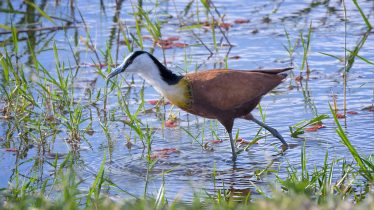
If you have even a passing interest in birdlife, a Kenya safari in March will blow you away. This month marks the presence of Palearctic migratory birds before they begin their long journey back to the Northern Hemisphere.
Locations like Lake Nakuru and Lake Naivasha are teeming with life. From the iconic pink hue of flamingos to the majestic African Fish Eagle, the sheer diversity of species visible during a Kenya safari in March is staggering. The lush vegetation provides ample nesting ground, and the afternoon showers often bring out colorful insects, which in turn attract vibrant bee-eaters and rollers.

What to Expect: Weather and Logistics
A common misconception about a Kenya safari in March is that it won’t stop raining. In reality, the “long rains” usually don’t gain full momentum until the very end of the month.
-
Temperature: Expect warm, humid days with temperatures ranging from 25°C to 30°C.
-
Rainfall: Most rain occurs in the late afternoon or at night in the form of spectacular tropical thunderstorms. These are usually brief and help clear the dust, making the following morning’s game drive incredibly fresh.
-
Roads: While most main tracks remain accessible, it is essential to use a 4×4 vehicle with a skilled driver-guide who knows how to navigate the occasional muddy patch during your Kenya safari in March.
5. Maximizing Your Value on a Kenya Safari in March
Sustainability is a major theme for 2027 travel. By booking a Kenya safari in March, you are supporting conservation efforts during a time when tourism revenue typically dips. Many conservancies use these funds for year-round anti-poaching patrols and community education programs.
Furthermore, the “low season” pricing means your budget goes much further. You can often upgrade to a flying safari, which saves hours of travel time on the road. A Kenya safari in March proves that you don’t have to spend a fortune to have a five-star experience in the African bush.
Pro Tips for Your March 2027 Adventure
To get the most out of your Kenya safari in March, keep these three tips in mind:
-
Pack Layers: While the days are hot, the humidity can make the mornings feel damp. A light, waterproof windbreaker is essential.
-
Focus on the Conservancies: Private conservancies bordering the national reserves allow for off-road driving and night game drives, which are spectacular during a Kenya safari in March.
-
Book Early for Early March: The first two weeks of the month are increasingly popular as travelers realize it offers the best balance of dry weather and low prices.
Help Me Plan My Trip
GET IN TOUCH
To contact an expert travel planner to start planning your adventure in Kenya, click the button below: