

What is Special About the Vervet Monkey? Semantic Calls & Social Intelligence
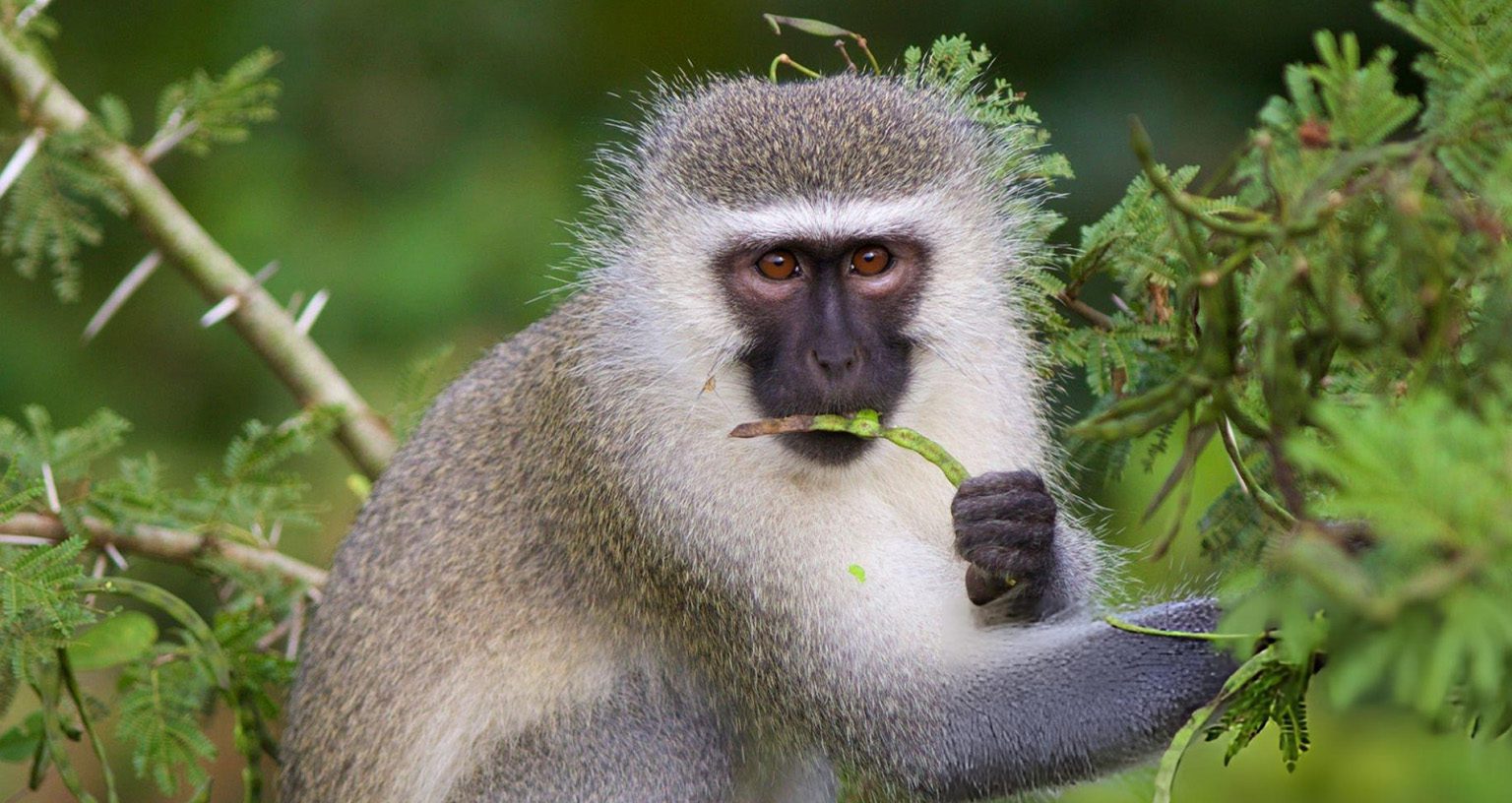
What makes the vervet monkey (Chlorocebus pygerythrus) so extraordinarily special is its foundational connection to the rudiments of human language. Long before humans developed spoken dialects, these remarkable primates were using distinct, syntactically meaningful vocalizations to categorize the world around them and coordinate real-time survival strategies. Paired with their startlingly human-like social politics, striking visual features, and uncanny behavioral quirks, the vervet monkey is nothing short of a living biological key to understanding the evolutionary origins of mind, speech, and society.
Physical Characteristics of the Vervet Monkey
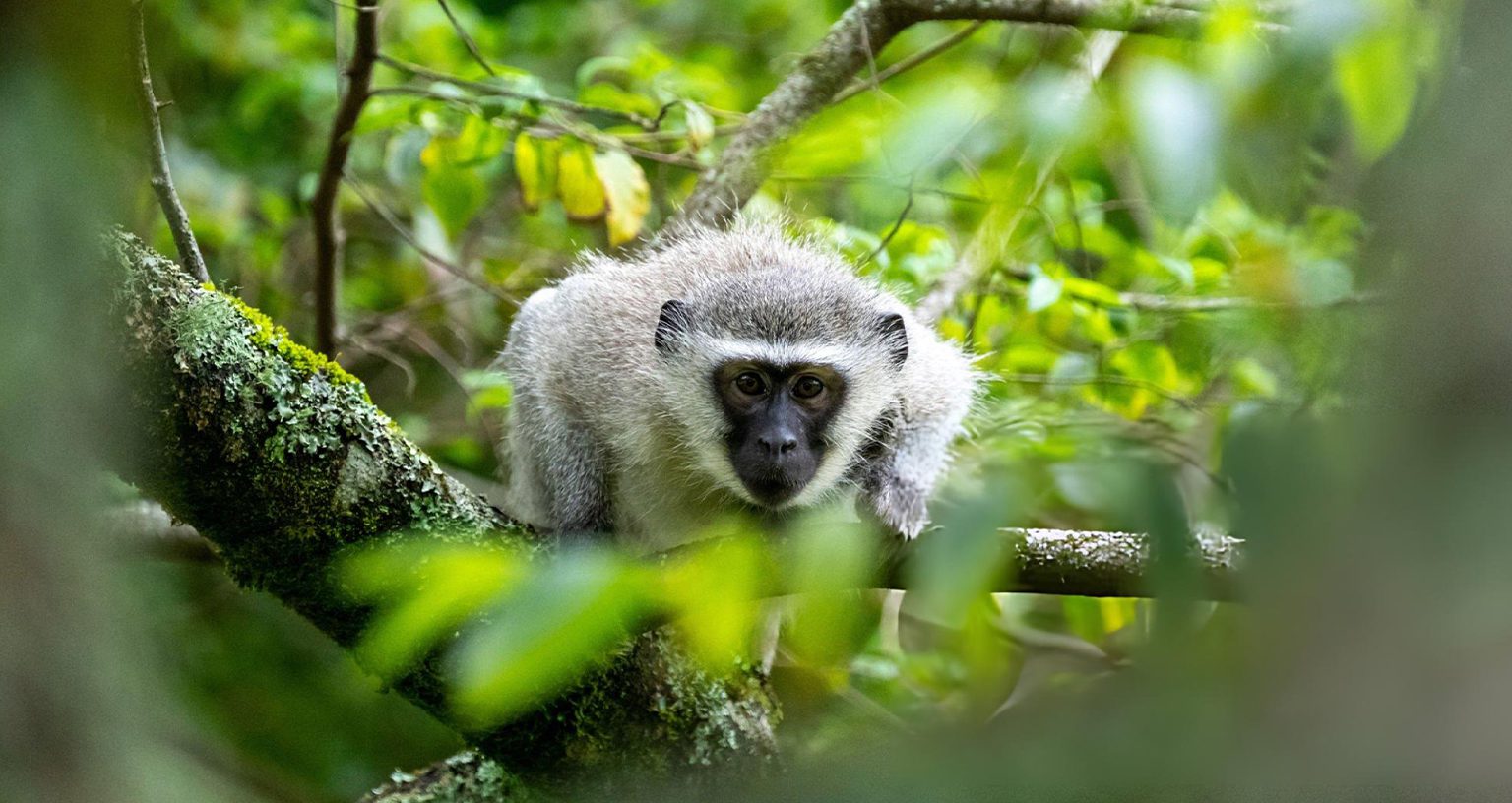
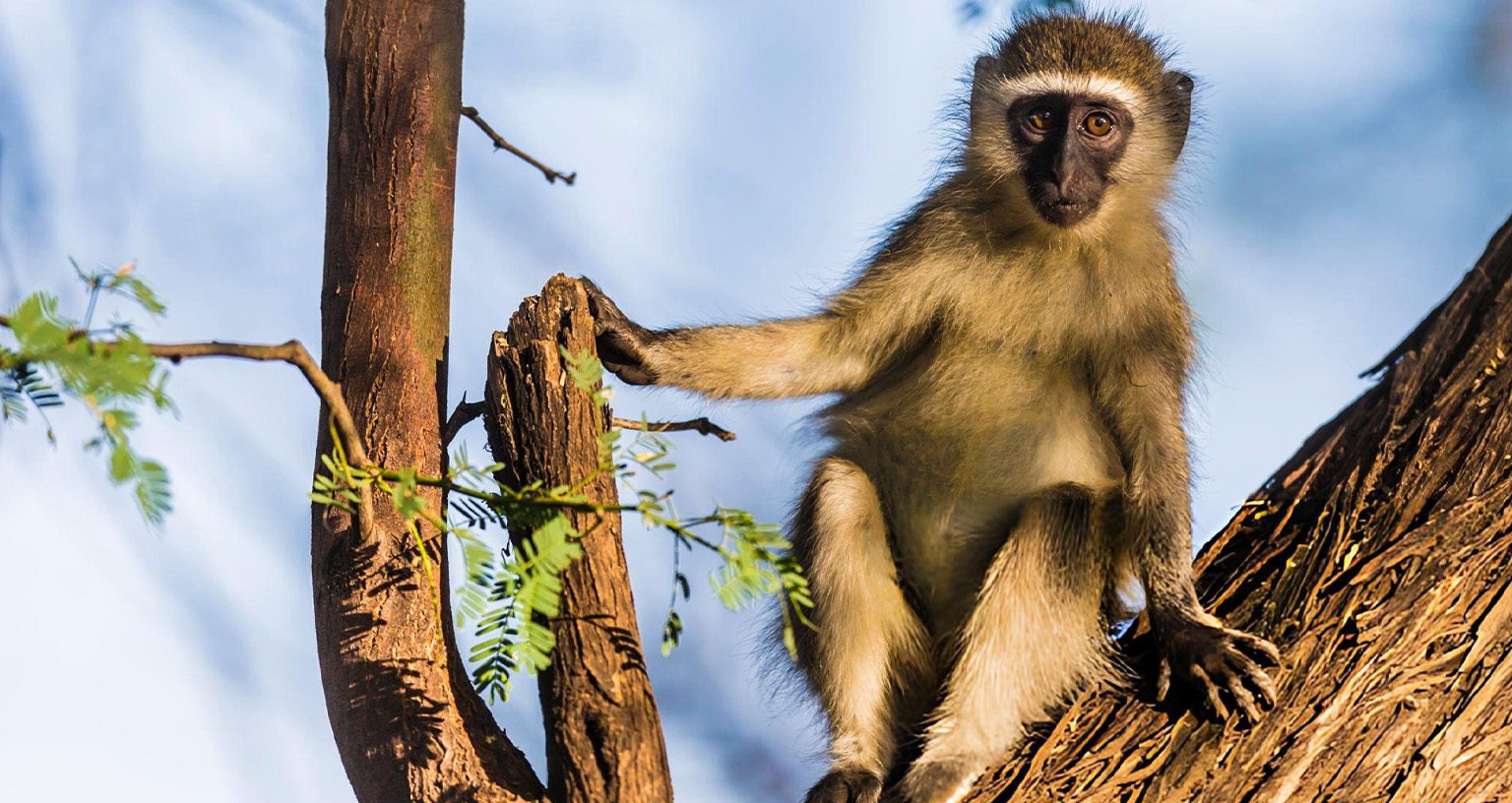
The vervet monkey is a small-to-medium-sized primate, typically weighing between 7 and 18 pounds (3.1 to 8.2 kg). Their coats range from a grizzled greenish-brown to a soft olive-grey, which blends seamlessly into the dappled shade of tree leaves, a coloration that has earned the vervet monkey the common nickname “green monkey” in many regions.
Their faces are jet-black, framed by striking white side-whiskers and a pale brow line. Even their eyelids are unusually light, allowing a vervet monkey to communicate aggression or warning simply by flashing its eyelids at a rival in a silent display of social tension. Additionally, adult male vervets exhibit bright blue scrotal skin paired with a crimson penis, a striking visual signal used to display dominance and reproductive status within the group.
Semantic Calls: The Origins of Primate Language
Coloration is only a small part of how the vervet monkey interacts with its environment. The true breakthrough in our scientific understanding of these primates arrived when ethologists began studying vervet monkey vocal communication in the wild. For decades, researchers believed animal vocalizations were purely emotional outbursts, unintentional cries of fear or excitement with no specific symbolic meaning.
However, when a vervet monkey spots danger, it does not merely scream in panic. It utters a specific, acoustically distinct alarm call tailored precisely to the exact predator present:
-
Leopard Call: If a leopard approaches on the ground, the vervet monkey emits a loud, staccato, nasal bark. Upon hearing this specific sound, every monkey in the troop instantly scrambles up into the smallest outer branches of nearby trees, where a heavy leopard cannot safely follow.
-
Eagle Call: If a martial eagle sweeps through the sky, the spotter gives a deep, snorting bark. Instead of climbing trees—which would make them exposed targets for an aerial hunter—the troop looks straight up into the sky and dives into dense, thorny bushes on the ground.
-
Snake Call: If a python or dangerous puff adder is discovered sliding through the grass, the vervet monkey utters a high-pitched, gurgling chatter. Hearing this, the troop stands tall on two hind legs, peers down into the vegetation, and cautiously surrounds the reptile to track its movements.
How Young Vervet Monkeys Learn Vocal Semantics
What makes this alarm system even more remarkable is how the vervet monkey acquires it. Infant vervets are born with an innate urge to produce alarm calls, but they must learn the precise vocabulary through practice and social feedback, much like a human toddler learning words.
A infant vervet monkey might give an eagle alarm call at a harmless goose or a falling leaf. The adult monkeys look up, realize there is no immediate threat, and ignore the young caller. However, when the baby eventually gives the eagle call at a genuine bird of prey, the adults instantly repeat the call, reinforcing its correct usage. Researchers have documented over thirty distinct vocalizations in the vervet monkey repertoire, making their communication one of the most sophisticated symbolic systems discovered in non-human animals.
Social Politics and Matrilineal Hierarchy
This linguistic nuance is mirrored in the complex political structure of vervet monkey society. Vervets live in tight-knit troops ranging from 10 to 50 individuals, governed by a strict, matrilineal hierarchy. Females remain in their birth group for their entire lives, forming the permanent social core. A female vervet monkey inherits her social status directly from her mother. Consequently, a high-ranking matriarch’s juvenile daughter outranks even senior adult females from lower-ranking lineages.
Social rank dictates every aspect of daily existence, from who gets access to prime foraging spots to who is groomed. Social grooming functions as the political currency of the troop. Lower-ranking members spend hours systematically grooming higher-ranking individuals to gain protection, food access, or permission to handle newborn infants.
When a newborn arrives, it becomes the center of attention for the entire troop. Covered in velvety black fur with a pink face, the infant looks completely distinct from adults—an evolutionary adaptation that triggers protective instincts across the group. Female relatives line up to cradle the baby, but a lower-ranking vervet monkey must groom the mother extensively first to earn a turn.
Male Migration and Troop Acceptance
For young males, life takes a far more treacherous turn upon reaching sexual maturity. Unlike females, young male vervets are forced to leave their birth group and migrate to a neighboring troop. Once a young male reaches a new troop, he cannot simply enter. He must navigate a delicate process of negotiation, submission, and aggressive displays to carve out a place in the new hierarchy, often forming strategic alliances with resident females to secure long-term acceptance within the vervet monkey community.
Help Me Plan My Trip
GET IN TOUCH
To contact an expert travel planner to start planning your adventure in Kenya, click the button below:


