The Ultimate Evolution of the Luxury African Safari: A Century of Transformation
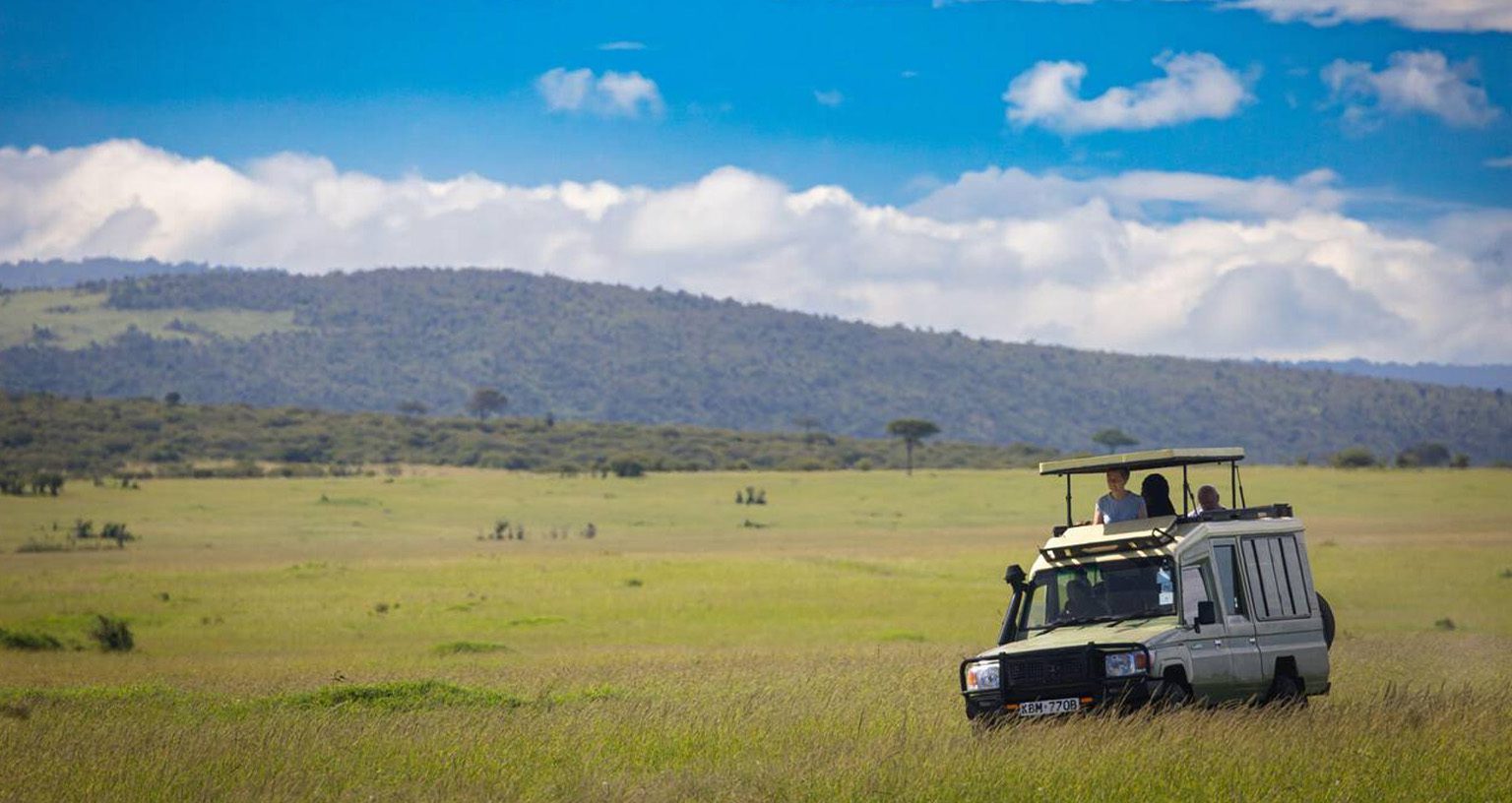
In the early 20th century, the concept of a luxury African safari was synonymous with “the expedition.” These were not the hour-long game drives we see today; they were months-long treks involving hundreds of porters, massive canvas tents, and crates of fine crystal and champagne.
Figures like Theodore Roosevelt and Ernest Hemingway romanticized the East African landscape, painting a picture of a “Garden of Eden” that required grit to traverse but rewarded the traveler with unparalleled majesty. The “luxury” of this era wasn’t about air conditioning or plunge pools; it was about the ability to bring the comforts of a London manor into the heart of the Serengeti. Silver service dinners were held under the stars, and phonographs played jazz records amidst the roar of distant lions.
The Mid-Century Shift: From Hunting to Observation
As the 1950s and 60s approached, the nature of the luxury African safari began to shift. The advent of commercial aviation made the continent more accessible, and the focus slowly moved from “big game hunting” to “big game viewing.”
This era saw the rise of the permanent luxury lodge. Architects began to experiment with “bush chic,” blending local materials like thatch and stone with mid-century modern aesthetics. Iconic destinations in Kenya’s Masai Mara and South Africa’s Kruger National Park started setting the gold standard for service. It was during this time that the “Sundowner” became a mandatory ritual, stopping the Land Rover at dusk to enjoy a gin and tonic as the sun dipped below the acacia trees.

The Modern Era: Purpose-Driven Travel
Today, the luxury African safari has entered its most exciting phase: the era of purpose. Modern travelers are no longer satisfied with just seeing the “Big Five.” They want to know that their presence is contributing to the preservation of the ecosystem and the empowerment of local communities.
Contemporary luxury is defined by exclusivity, privacy, and impact. We have moved beyond the “velvet ropes” style of tourism into something far more intimate. Here is how the modern luxury African safari stands apart:
1. Sustainable Architecture and Design
Modern lodges are marvels of eco-engineering. Many are built on raised platforms to minimize their footprint on the soil, and some are designed to be completely removable, leaving no trace if the lease expires. Solar power, sophisticated water filtration systems, and the elimination of single-use plastics are now industry requirements rather than optional extras.
2. Conservation as the New Gold Standard
The most prestigious luxury African safari operators are those deeply embedded in conservation. When you book a stay at a top-tier camp in the Okavango Delta or the private concessions of the Sabi Sands, a significant portion of your daily rate goes directly toward anti-poaching units, wildlife veterinary services, and land restoration. Guests often have the opportunity to participate in “citizen science,” such as tracking rhino populations or monitoring lion prides with expert researchers.
3. Culinary Excellence and Local Sourcing
Forget the canned goods of the 1920s. Today’s luxury African safari features world-class cuisine that rivals the best restaurants in Paris or New York. The focus has shifted to “farm-to-table” dining, where organic produce is grown in community gardens nearby, and traditional African flavors are elevated through modern techniques. Pairing these meals with award-winning South African wines creates a sensory experience that grounds the traveler in the local terroir.

Why the Luxury African Safari Remains Unrivaled?
There is a specific type of silence found in the African bush that cannot be replicated anywhere else. It is a silence teeming with life. The modern luxury African safari manages to bridge the gap between the wild and the refined.
The Power of Disconnection
In our hyper-connected world, true luxury is the ability to turn off. Many high-end camps intentionally limit Wi-Fi to main lounge areas, encouraging guests to reconnect with nature and their companions. There is something transformative about waking up to the smell of wild sage and the call of a fish eagle rather than the ping of a smartphone.
Tailored Experiences
The “cookie-cutter” itinerary is a thing of the past. A modern luxury African safari is bespoke. For some, it may involve a private helicopter flight over the dramatic dunes of Namibia. For others, it’s a walking safari led by indigenous guides who interpret the “newspaper of the bush”—the tracks and signs left by animals during the night.

Choosing Your Destination
Africa is a vast continent, and each region offers a unique flavor of the luxury African safari experience:
-
East Africa (Kenya & Tanzania): Home to the Great Migration, this region offers the classic “Out of Africa” landscape of sweeping plains and massive herds.
-
Southern Africa (South Africa & Botswana): Known for its incredibly high concentration of leopards and the unique water-based safaris of the Okavango Delta.
-
The Wild Frontiers (Rwanda & Namibia): For those seeking something different, trekking for mountain gorillas in the rainforests of Rwanda or exploring the skeletal coast of Namibia provides a rugged yet ultra-luxurious adventure.
Help Me Plan My Trip
GET IN TOUCH
To contact an expert travel planner to start planning your adventure in Kenya, click the button below: