7 Compelling Reasons to Choose Eco-tourism in Africa for Your Next Adventure
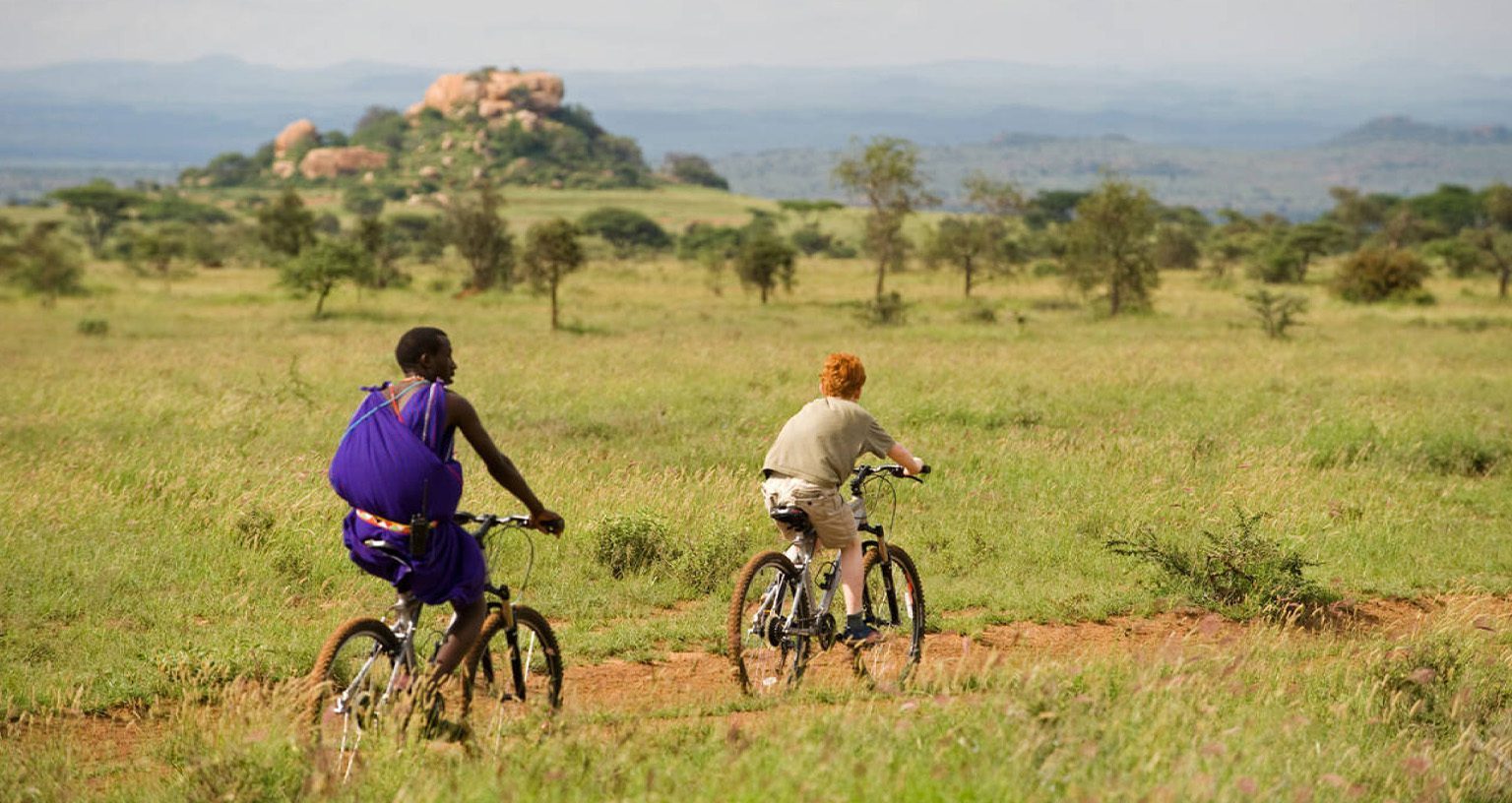
As global interest in sustainable travel explodes, eco-tourism in Africa has moved from a niche trend to a vital lifeline for the continent’s most iconic landscapes and species.
An eco-holiday goes beyond simply enjoying nature; it is about traveling with intention. In many parts of Africa, tourism is the strongest incentive for conservation. When done right, your trip helps fund protected areas, supports wildlife conservation, and creates meaningful livelihoods for local communities. These residents become guardians of the land rather than exploiters, ensuring that eco-tourism in Africa remains a force for good.
1. Supporting Sustainable Infrastructure and Green Energy
Think about a well-managed lodge powered entirely by solar energy, utilizing sophisticated rainwater harvesting systems and strictly minimizing plastic waste. These “green” lodges are designed to blend into their surroundings, not dominate them.
By choosing to stay in these facilities, you are directly supporting businesses that invest in sustainability. Many of these lodges now produce more energy than they consume, proving that eco-tourism in Africa can set a global standard for regenerative design. Your presence helps prove that wildlife is worth more alive than lost, and that a thriving ecosystem is the backbone of a successful business.

2. Empowering Local Communities through Conservancy Models
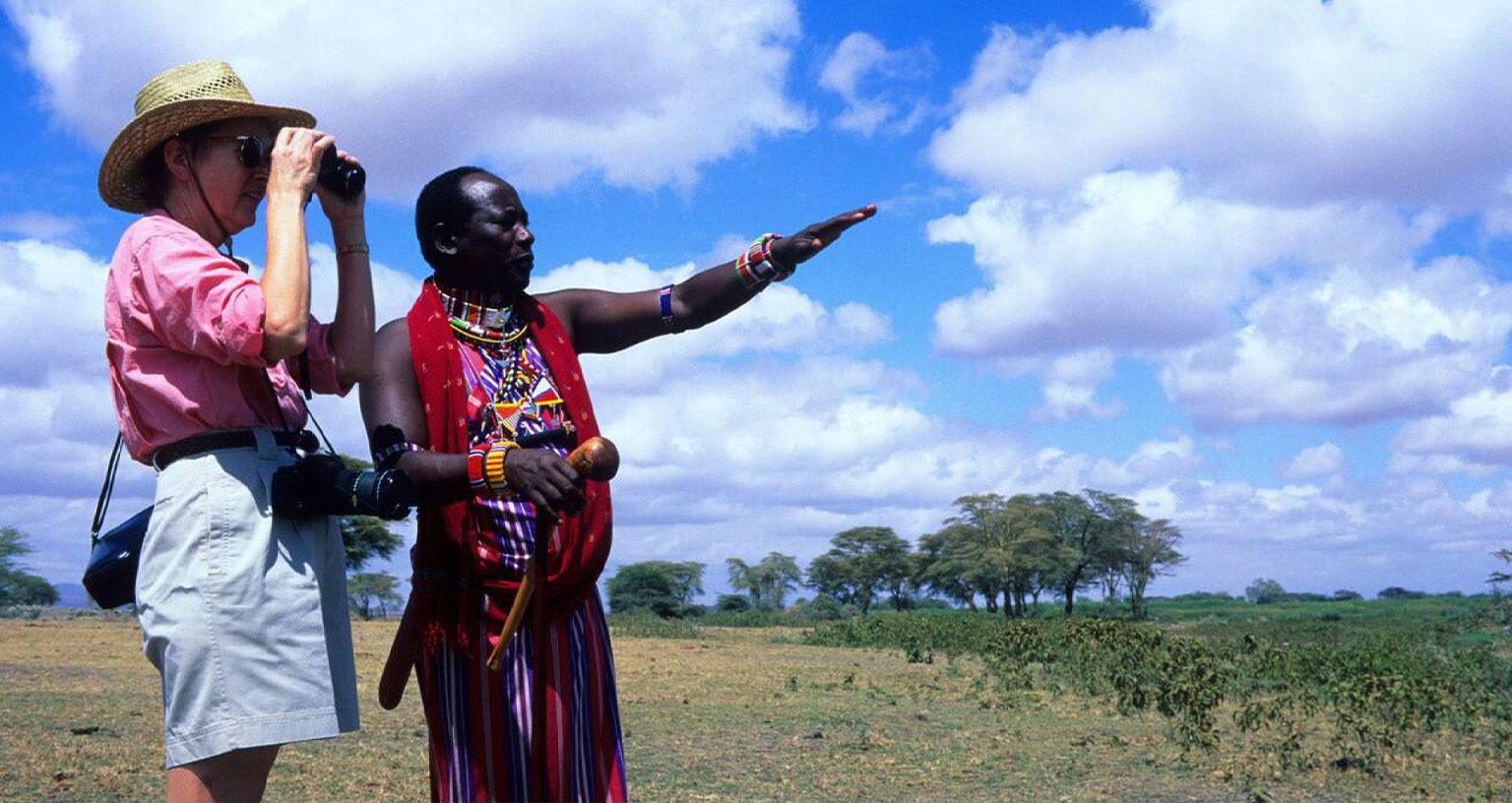
Eco-holidays place local communities at the heart of the experience. Across the continent, from the community-owned conservancies in Namibia’s Damaraland to the Maasai-led initiatives in Kenya, residents benefit directly from your visit.
This model of eco-tourism creates diverse employment opportunities, including:
-
Professional Guides and Trackers: Utilizing indigenous knowledge to provide authentic experiences.
-
Park Rangers: Protecting wildlife from poaching through community-led surveillance.
-
Local Artisans and Chefs: Sourcing produce and crafts locally to keep revenue within the village.
When communities see tangible benefits, such as new schools, clean water projects, and stable income, they are far more likely to protect wildlife habitats and preserve their cultural heritage for future generations.
3. Protecting Wildlife through Ethical Observation
Wildlife itself feels the impact of responsible travel. Ethical tour operators follow strict guidelines to ensure animals are never harassed for the sake of a photograph. In the realm of eco-tourism in Africa, “quality over quantity” is the golden rule.
Responsible operators avoid chasing animals, refuse to overcrowd sightings, and never drive off-road in fragile landscapes. Instead, they focus on respectful observation and education. Watching a lion pride from a respectful distance or seeing elephants roam freely without disturbance reminds us that we are guests in their world. This mindful approach to eco-tourism ensures that animal behavior remains natural and stress-free.

4. Investing in Biodiversity and Conservation Funding
Did you know that eco-tourism in Africa generates nearly $30 billion annually for conservation efforts? This funding is critical for the maintenance of national parks and private reserves that would otherwise be vulnerable to land conversion or illegal logging.
In countries like Zimbabwe and Rwanda, permit fees for trekking or safaris go directly into anti-poaching units and habitat restoration. By participating in eco-tourism in Africa, you are essentially a shareholder in the continent’s biodiversity. Your travel dollars act as a shield for endangered species like the mountain gorilla or the black rhino.
5. Cultivating Deep Cultural Immersion
True sustainability includes the preservation of culture. Modern eco-tourism encourages travelers to engage with local traditions in a way that is respectful and non-exploitative. Whether it’s learning about ancient medicinal plants from a San healer in the Kalahari or visiting a bustling market in Marrakech, these experiences foster mutual respect.
When you choose eco-tourism in Africa, you move past the “spectator” role and become a participant in a cultural exchange that values heritage as much as it values the environment.
6. Offsetting Your Carbon Footprint
While air travel remains a challenge for the environment, the eco-tourism sector is leading the way in carbon mitigation. Many operators now offer integrated carbon-offset programs that fund reforestation projects or clean energy initiatives within the very regions you visit.
From planting indigenous trees in the Rift Valley to supporting wind farms in South Africa, these actions help balance the environmental cost of your journey. Small actions, like carrying a reusable water bottle or choosing a tour operator that prioritizes low-impact transport, collectively contribute to a more responsible global footprint.
7. Ensuring a Legacy for Future Generations
In the end, eco-holidays remind us that Africa is not just a destination to be consumed, but a living, breathing continent to be respected. The growth of eco-tourism in Africa ensures that the “wild” remains wild. By making informed, intentional choices, your journey becomes part of a much larger story.
As we look toward the future, the success of eco-tourism in Africa depends on the travelers of today. Every booking made with a certified eco-lodge and every safari conducted with an ethical guide is a vote for a greener, more equitable world. Africa’s natural wonders are vibrant and thriving; let’s work together to keep them that way.
Help Me Plan My Trip
GET IN TOUCH
To contact an expert travel planner to start planning your adventure in Kenya, click the button below: