How Do Hyenas Know Where Lions Kill Their Prey?
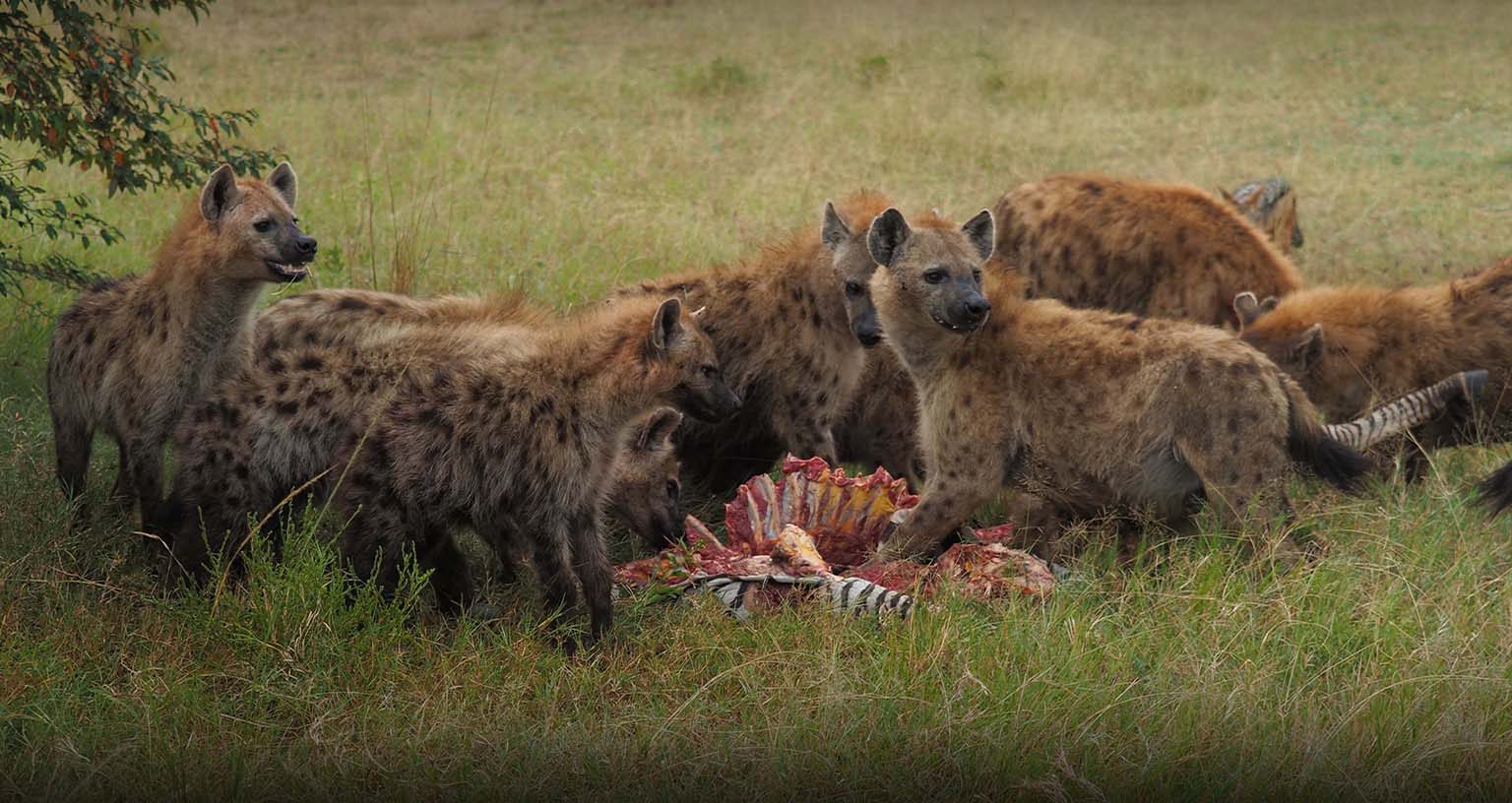
Hyenas know where lions kill their prey through a fascinating mix of instinct, intelligence, social communication, and natural observation. While they are often mischaracterized as lazy scavengers who rely solely on stealing leftovers, hyenas are actually efficient hunters in their own right, hunting for as much as 95% of their food. However, scavenging remains a useful part of their survival strategy, especially when they can detect a fresh lion kill.
Let’s explore how these clever carnivores manage to locate lion kills with such remarkable precision, even without directly witnessing the hunt.
A Misunderstood Predator: Hyenas as Hunters and Opportunists
The reputation of hyenas in popular culture tends to paint them as cowardly scavengers, surviving off the efforts of other predators. This couldn’t be further from the truth. Spotted hyenas, the most studied of the species, are skilled hunters capable of taking down large prey such as wildebeest and zebras. Packs of hyenas use coordination and endurance to outlast their prey during long chases. In fact, most of their diet consists of meat they’ve hunted themselves.
But being opportunistic is part of the natural world, and like lions, leopards, or wild dogs, hyenas will scavenge when the opportunity arises. One of the most common and dramatic sources of scavenged meat is a lion kill.
Following Nature’s Clues: Vultures and Visual Cues
Hyenas don’t rely solely on luck to stumble upon a lion kill. One of the first methods they use is watching other scavengers, particularly vultures. Vultures are highly visible from a distance, and their behavior gives away the presence of a potential carcass. When vultures circle in the air or descend rapidly to the ground, it signals to hyenas that something edible may lie below.
Hyenas will often track the movement of vultures across the savanna and follow them to a potential kill site. This strategy gives them a valuable advantage, especially since vultures can spot kills from great distances that a ground-based predator like a hyena might not otherwise detect right away.
Sensory Superpowers: Smell and Hearing
Perhaps even more impressive than their ability to observe vultures is the hyena’s extraordinary sense of smell and acute hearing. Hyenas can detect the scent of blood from several kilometers away, even when the prey is partially hidden or recently killed. This olfactory power allows them to hone in on lion kills that are fresh and still full of edible meat.
Their hearing is equally important. Hyenas can pick up the low rumbles of lions growling over a carcass, the distressed cries of dying prey, or the sounds of a chase and attack from miles away. These audio cues help them triangulate the location of a potential feeding opportunity, even in dense bush or tall grass where visual contact is impossible.
The Power of the Pack: Social Communication
Hyenas live in highly social groups known as clans, often consisting of up to 80 individuals. Their ability to communicate across long distances is vital for both hunting and scavenging. One of their most iconic sounds is the high-pitched “whoop,” a call that can carry for several miles.
When a hyena discovers a lion kill, it will often emit this whoop to alert other clan members. Within minutes, reinforcements may arrive, making the group strong enough to potentially chase away lions or at least get a share of the meal. This communal scavenging is a powerful survival tactic, and it illustrates how teamwork and communication play a role in how hyenas know where lions kill their prey.
Strategic Observation: Tracking Lion Behavior
Another layer of hyena intelligence is their ability to observe and learn the patterns of their competitors. Hyenas share territories with lions, and over time, they learn where lions are most likely to hunt. For example, lions tend to prefer certain spots near waterholes, open plains, or migration routes where prey is abundant.
Hyenas may shadow lion prides at a safe distance, waiting for the right moment. After a successful hunt, lions are typically too tired to defend their kill from a determined pack of hyenas. This calculated patience allows hyenas to step in once the lions are distracted or have eaten their fill.
In other cases, hyenas revisit areas where they know lions frequently make kills, relying on memory and experience. This behavioral knowledge helps reduce the risks of direct conflict while increasing the chances of finding a fresh meal.
Risk and Reward: A Game of Chance
Despite all their abilities, sometimes hyenas find lion kills purely by chance. Lions and hyenas often hunt the same prey in overlapping territories. The African savanna is vast and full of activity, so it’s common for hyenas to stumble upon a lion kill simply by being in the right place at the right time.
However, even chance encounters can be shaped by a hyena’s readiness. Their senses, mobility, and constant patrolling increase the odds of being lucky. When one hyena discovers a kill, its quick communication ensures the rest of the clan can benefit too.
These seemingly random discoveries often result in tense standoffs, noisy confrontations, or calculated negotiations between the predators, with hyenas sometimes outnumbering and overwhelming even the most powerful lions.
Intelligence and Adaptability: The Hyena’s Edge
At the heart of all these strategies is the hyena’s intelligence. Studies have shown that spotted hyenas possess problem-solving abilities and social complexity on par with some primates. Their brain-to-body size ratio is among the highest in carnivores, and they use this intelligence not just for hunting, but for navigating the challenges of a competitive ecosystem.
Their adaptability makes them one of the most resilient carnivores in Africa. Whether it’s hunting solo, coordinating as a group, or trailing behind vultures and lions, hyenas maximize every opportunity available to them.
Plan My Trip
GET IN TOUCH
To contact an expert travel planner to start planning your adventure in Kenya, click the button below: