

How Aggressive Are Elephants in Musth?
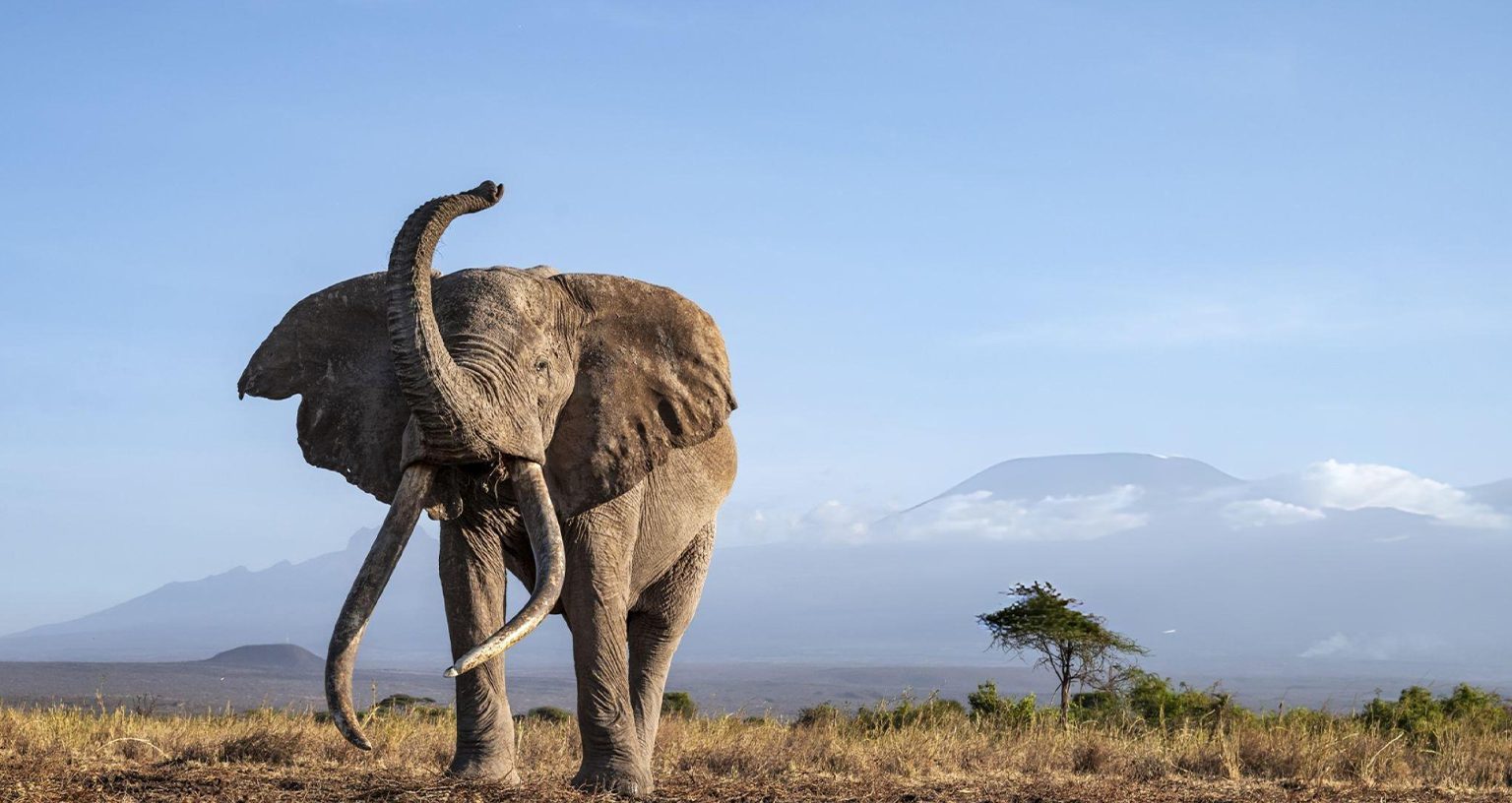
If you were to encounter male elephants in musth, the answer to how dangerous they can be can be summed up in a single word: hyper-aggressive. In fact, an elephant experiencing this state is arguably one of the most volatile and formidable land creatures on Earth. We are not talking about a brief flare-up of temper or a defensive territorial posture; elephants in musth operate in a state of intense chemical intoxication, driven by surge levels of testosterone that shoot up to sixty times higher than normal. To put that into perspective, human testosterone levels fluctuate moderately throughout the day, but elephants in musth undergo a hormonal spike so extreme that it completely overrides their calm demeanor and dramatically alters their neurological state.
The Biological Engine Behind Elephants in Musth
This transformation isn’t just a mental shift; it is accompanied by severe physical discomfort. On either side of an elephant’s head, midway between the eye and the ear, lie the temporal glands. When elephants in musth enter this phase, these glands swell to immense proportions, becoming hot, inflamed, and tender. They secrete a thick, tar-like fluid known as temporin, which trickles heavily down the sides of the elephant’s face.
Scientists believe that as these glands swell, they press tightly against the bones of the skull and behind the eyes, causing intense mechanical pressure akin to an agonizing, chronic headache. It is no wonder that adult elephants in musth become so unpredictable and easily provoked.

Chemical Signalling and Physical Irritation
Compounding this distress is a continuous leakage of urine. A bull among elephants in musth constantly dribbles urine down his hind legs, which colors his skin a distinct greenish-yellow and emits a pungent, unmistakable odor containing strong chemical signals like frontalin.
This scent serves as a walking billboard across the savanna, broadcasting his physical readiness to mate and warning rival males to stay away. However, this constant dripping also causes severe skin irritation and chemical burning along his legs, adding yet another layer of relentless physical aggravation.
In the wild, this cocktail of pain, hormones, and sensory overload produces behavior that can only be described as terrifying. A bull experiencing this state walks with a distinctive, high-headed posture known as the “musth swagger,” swinging his head deliberately and swishing his ears to fan his powerful scent into the wind. He is constantly looking for a fight, not necessarily out of spite, but because his entire biological imperative is telling him to dominate everything around him.
Extreme Aggression and Environmental Destruction
When there are no rival bulls around to challenge, that aggressive energy has to go somewhere. Mature elephants in musth will gouge their heavy tusks deep into the earth, tear up large bushes, and snap full-grown trees in half simply to burn off excess energy. They have been documented repeatedly attacking inanimate objects, including parked vehicles, water tanks, and park structures.
In some national parks, wildlife managers have documented extraordinary cases of musth-driven aggression against other species. For instance, adolescent male elephants in musth that lacked supervision from older dominant bulls were famously recorded attacking and killing rhinos in South African reserves until mature bulls were introduced to stabilize the social hierarchy.
Managing Elephants in Musth: High Alert for Humans
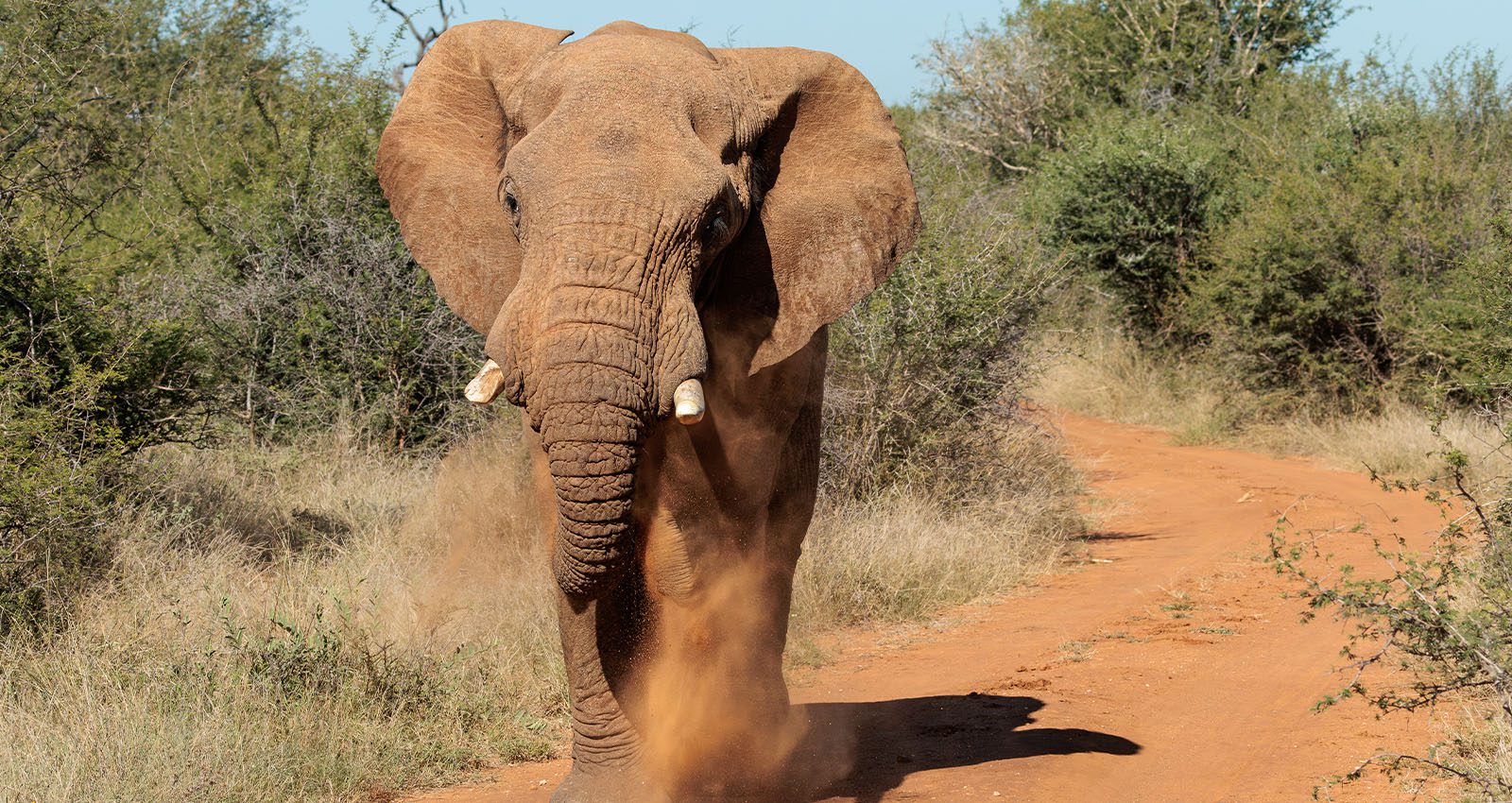
For humans who live near elephant habitats or work with captive animals, managing elephants in musth is a high-alert emergency. In regions where domesticated or mahout-managed animals are kept, a bull entering this phase must be safely isolated and secured in heavy enclosures for weeks at a time until the phase passes. Handlers know that even an elephant they have built a bond with for decades can suddenly treat them as a mortal threat overnight.
In the wild, safari guides give elephants in musth an exceptionally wide berth. While a normal elephant might give a gentle mock charge or a warning trumpeting blow to tell a vehicle to step back, elephants in musth often skip the warnings entirely, launching into a full-speed, head-down charge aimed to crush.
The Evolutionary Imperative
Yet, despite how destructive it appears to human eyes, this physiological phenomenon in elephants in musth is a masterclass in evolutionary design. It ensures that only the strongest, most physically resilient bulls win mating rights, passing on their genes to the next generation. The phase demands an immense toll on the male’s body; by the time the condition ends, the bull is usually exhausted, noticeably thinner, and physically drained from weeks of barely eating or sleeping.
When the chemical storm finally subsides, the temporal glands shrink, the fluid clears, and the bull gradually returns to his calm, contemplative self. He returns to peaceful grazing, moving gently through the landscape once more.
Help Me Plan My Trip
GET IN TOUCH
To contact an expert travel planner to start planning your adventure in Kenya, click the button below:


