

Do Elephants Have a Higher IQ Than Humans?
Do elephants have a higher IQ than humans? The short answer is no, at least not in terms of human IQ, which is a test specifically designed to measure human-centric skills like symbolic logic, language syntax, and abstract mathematics. However, framing the question around IQ misses the true wonder of the animal world: elephants possess an astounding, specialized intelligence that rivals humans in emotional depth, memory, social structure, and sensory perception, operating on a cognitive plane uniquely tailored to survival on Earth.
An adult elephant boasts the largest brain of any land animal, weighing roughly eleven pounds—nearly three times the mass of the average human brain. But sheer size isn’t the whole story. What makes the elephant brain truly extraordinary is its composition and wiring. While humans have a higher concentration of neurons in the cerebral cortex—the area responsible for language, long-term planning, and abstract reasoning—elephants possess an incredible three hundred billion neurons in total, most of which are densely packed into the cerebellum. This neural architecture endows elephants with staggering motor control over their trunks, which contain over one hundred thousand individual muscle units, allowing them to manipulate their environment with precision rivaling a human hand.
Neural Composition and Self-Awareness
Beyond physical dexterity, the emotional and cognitive life of an elephant is remarkably sophisticated. When asking do elephants have a higher IQ than humans, researchers often look at tests of self-awareness. Elephants are one of the very few species on the planet to pass the mirror self-recognition test, a classic benchmark of self-awareness. When presented with a large mirror, elephants do not react to their reflection as if it were a stranger or a threat, as most animals do. Instead, they use the mirror to examine parts of their own bodies they cannot normally see, such as the inside of their mouths or marks placed on their foreheads by researchers. This proves that an elephant understands the concept of “self,” a milestone in cognitive development that human children typically reach around eighteen months of age.
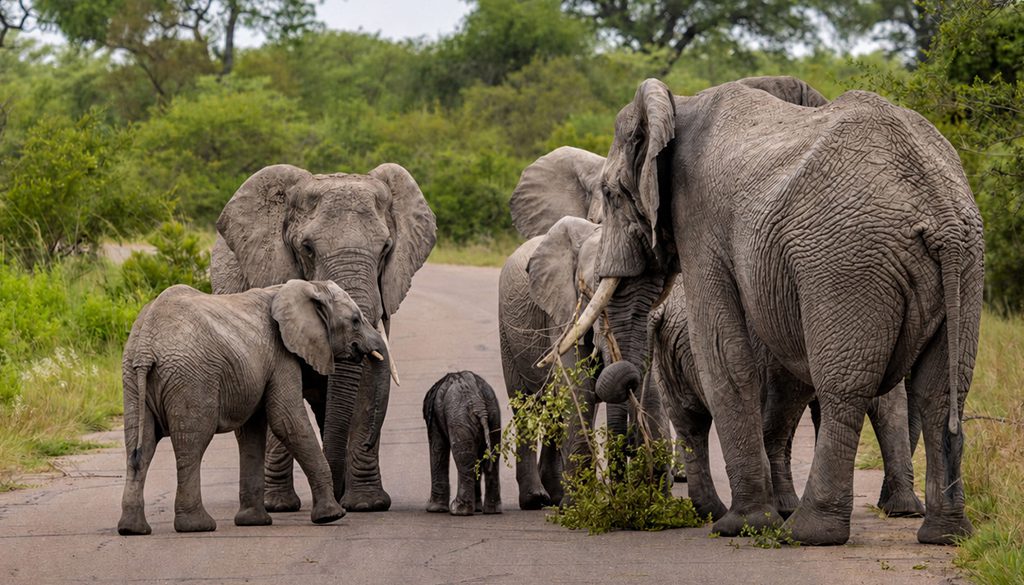
This deep sense of self extends naturally into an equally profound sense of others. Elephants display higher levels of empathy, altruism, and social intelligence than almost any other creature in the animal kingdom. They live in matriarchal societies bound by tight family ties, led by the oldest and wisest female. When a member of the herd is sick, injured, or distressed, other elephants gather around to offer physical support, using their trunks to caress and reassure the individual. They show clear signs of grief when a family member dies, often returning to the exact spot where a herd member passed away years later, softly touching and examining the bones with their trunks and feet in silent contemplation.
Exceptional Memory and Navigation Skills
Then, of course, there is the famous adage that “an elephant never forgets”—and science has repeatedly proven this to be far more than just a fable. The temporal lobe regions of an elephant’s brain, which process memory, are exceptionally well-developed. A matriarch carries a living mental map of vast landscapes, remembering the location of hidden water holes, fertile feeding grounds, and safe pathways through dangerous terrain, even after decades of absence or extreme drought. Furthermore, their memory extends to social networks; elephants can recognize the unique vocal calls and scents of hundreds of individual elephants and human beings, remembering whether an individual was a friend, a stranger, or a threat over many years.
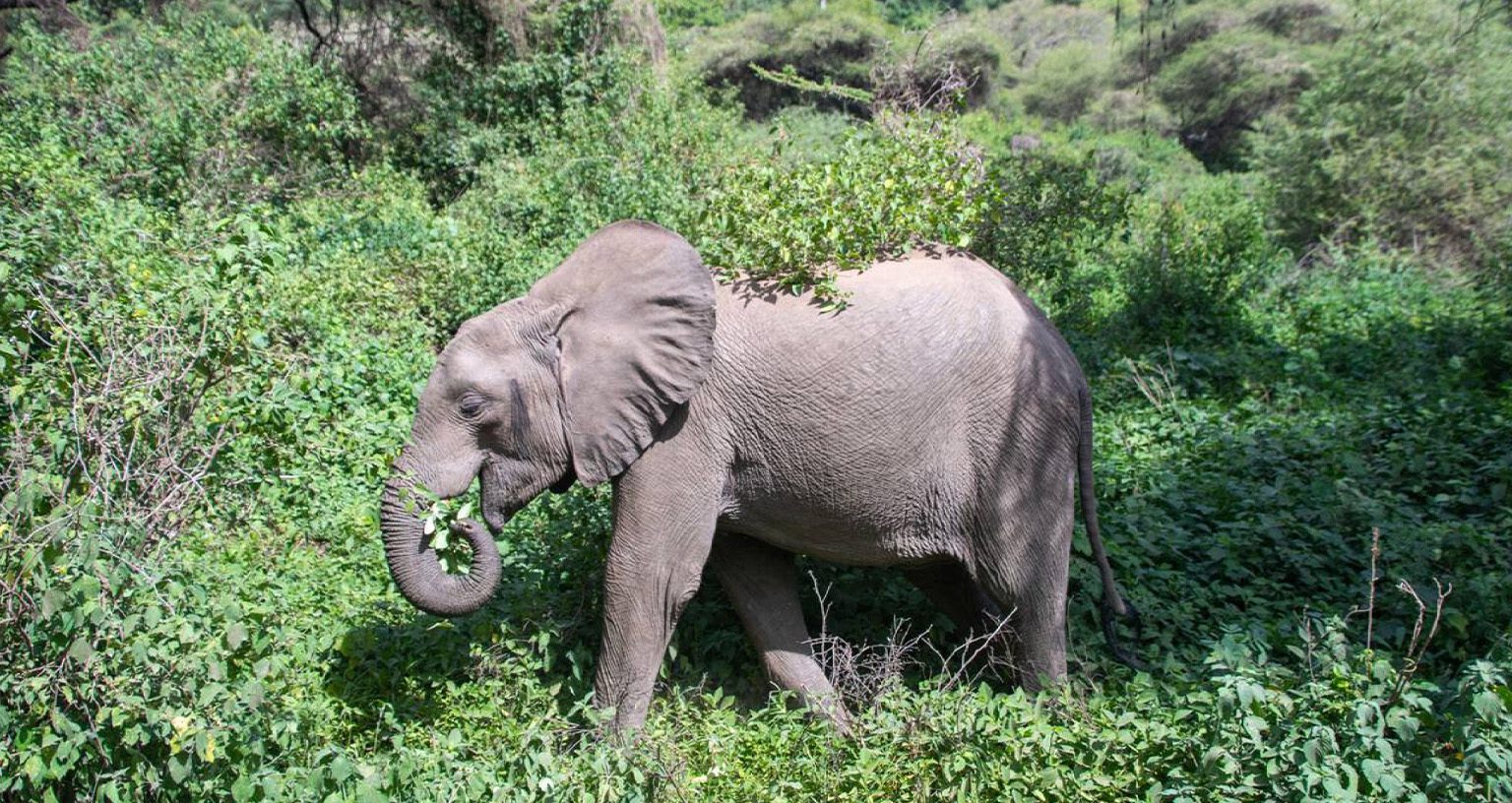
When evaluating whether elephants have a higher IQ than humans, we must also look at communication and problem-solving, where elephants continue to surprise researchers. They utilize a rich language composed of vocal trumpets, low-frequency infrasound calls that can travel through the ground for miles, and subtle body language. In cognitive experiments, elephants have demonstrated advanced tool use—shaping branches to swat flies, using bark to plug water holes to prevent evaporation, and even cooperating with peers to solve complex puzzles that require two individuals to pull separate ropes simultaneously to secure a reward.
Comparative Cognition and Evolutionary Intelligence
While an elephant cannot solve a calculus equation, write a novel, or score high on a human standardized IQ test, evaluating them by human metrics misses the point of evolutionary biology. So, do elephants have a higher IQ than humans? No, because human tests measure human abilities. Intelligence is not a single ladder with humans standing at the top; it is a vast, branching tree where every species adapts its mental capacity to solve the unique challenges of its environment. Human intelligence excels at technological creation and symbolic thought, whereas elephant intelligence excels at spatial navigation, social cohesion, environmental stewardship, and deep emotional connectivity.
When scientists evaluate whether elephants have a higher IQ than humans, they realize that comparing two radically different species using a human-made scoring system is fundamentally flawed. Humans created IQ tests to predict academic success in human schools, so naturally, humans will outperform every other creature on Earth on those specific parameters. Yet, if an elephant designed an intelligence test based on seismic communication, long-distance spatial mapping, trunk dexterity, and group emotional intelligence, humans would fail miserably.
Ultimately, asking whether elephants have a higher IQ than humans invites us to reconsider how we define wisdom, learning, and cognition across the natural world. Rather than ranking species on a single linear scale, appreciating the unique cognitive realm of the elephant reveals a profound truth: nature fosters many diverse types of brilliance. In the ways that matter most to their survival and thriving, elephants possess a brilliant, irreplaceable form of intelligence that continues to inspire awe and demand our respect.
Help Me Plan My Trip
GET IN TOUCH
To contact an expert travel planner to start planning your adventure in Kenya, click the button below:


