When is the Best Time to See African Animals During a Game Drive?

Choosing the best time to see African animals can mean the difference between an okay safari and an awe-inspiring one. Many safari specialists agree that the dry season (June – October) is arguably the best time to see African animals in most regions of Eastern and Southern Africa. This period offers the clearest, longest views and the highest concentrations of wildlife. But why exactly?

1. Animals gather around water sources
When rivers and waterholes shrink during the dry months, most wild animals have no choice but to congregate around the remaining water. This makes sightings predictable. Think elephants bathing, zebras lining up to drink, lions waiting patiently in the shade, and hundreds of antelopes grazing nearby.
2. Vegetation becomes sparse
Thinner grass and fewer bushes mean your views are unobstructed. Even the famously elusive predators – leopards and cheetahs – become easier to spot.
3. Animals are more active during game drives
Cooler mornings and evenings encourage animal movement, which is perfect for photographers wanting energetic scenes rather than animals hiding in shade.
4. Fewer mosquitoes and clearer skies
Great lighting, clear sunsets, and comfortable temperatures make this window magical for safari lovers.

Green Season (November – May): Underrated Yet Beautiful for Unique Sightings
While the dry months dominate safari marketing, the green season is becoming a favorite among photographers, bird watchers, and travelers seeking a more intimate experience. It’s lush, vibrant, affordable, and full of life. And depending on your goals, this can also be the ideal time to observe African animals uniquely and differently.
5. Calving Season: A Paradise for Predators & Photographers
The early months of the year, especially January to March, bring newborn animals across Africa. Thousands of wildebeest calves drop in the Serengeti, resulting in dramatic predator-prey interactions. It’s nature at its rawest, with lions, hyenas, and cheetahs on high alert.
6. Bird Migration Peaks
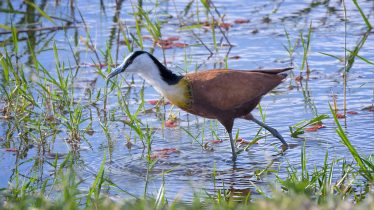
If you love birdlife, this season is unbeatable. Migratory species arrive in full breeding plumage. The landscapes transform into colorful scenes of life, movement, and sound – perfect for twitchers and nature enthusiasts.
7. Fewer Tourists and Lower Rates
This season delivers beautiful sunsets, dramatic skies, and a private-safari feel without the crowds. Many lodges reduce rates significantly, meaning more luxury for less.
Region-by-Region Breakdown of the Best Time to See African Animals
Different ecosystems thrive under different conditions. Here’s a quick breakdown to help you match your travel goals with your destination:
East Africa (Kenya & Tanzania)
-
Dry Season (June – October): Best for general wildlife viewing and the Great Migration river crossings.
-
Green Season (December – March): Best for calving, predator interactions, and dramatic skies.
Southern Africa (Botswana, South Africa, Zambia, Zimbabwe, Namibia)
-
Dry Season (May – October): Ideal for big cats, elephants, and large herbivore herds.
-
Wet Season (November – April): Best for newborn animals, birds, and jaw-dropping landscapes.
Uganda & Rwanda (Primates)
-
Mountain gorillas can be seen year-round, but trails are easiest in the drier months (June – September and December – February).
How to Choose the Best Time Based on Your Safari Goals?
If you want to see as many animals as possible
Go during the dry season. Visibility is at its absolute peak.
If you want dramatic photography
Go in the green season when colors are lush, skies are moody, and sunsets are fiery.
If you want predator action
Plan your trip around calving season – nature’s greatest theater.
If you want privacy and luxury
The green season gives you private vehicles, quieter parks, and better rates.

Morning vs. Afternoon Game Drives: When Are Animals Most Active?
Most predators – especially lions, leopards, and hyenas – are crepuscular, meaning they’re active at dawn and dusk. This is why:
Morning Game Drives
-
Best for spotting predators before the heat sets in
-
Light is soft and perfect for photography
-
Many animals are on the move
Afternoon Game Drives
-
Excellent for elephants and large herbivores
-
Predators start hunting as temperatures cool
-
Sunset colors add drama to the scenery
Both drives offer value, which is why most safaris include two per day.
Help Me Plan My Trip
GET IN TOUCH
To contact an expert travel planner to start planning your adventure in Kenya, click the button below: