

Where is the Best Place to See Flamingos in Kenya?
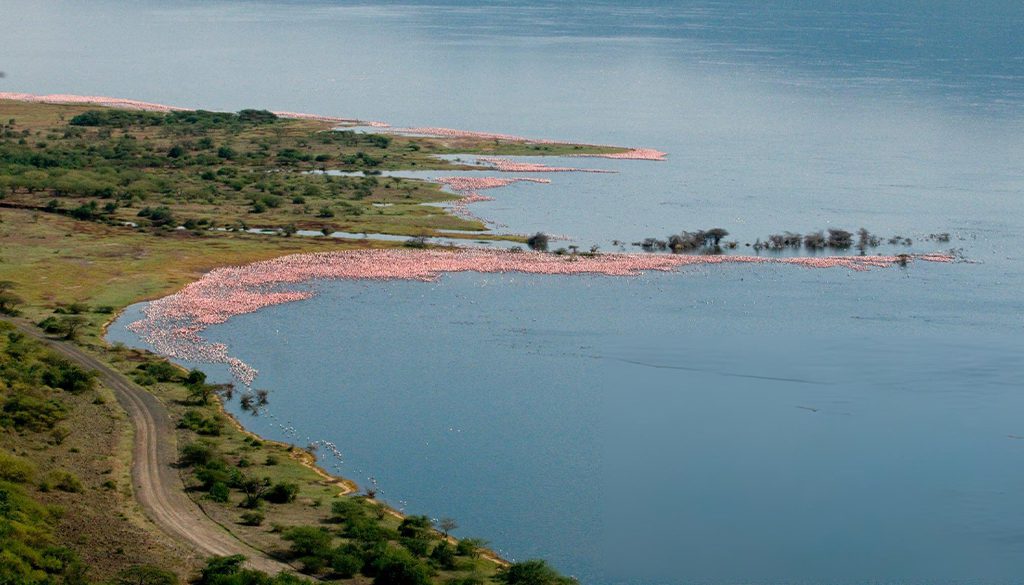
If you are searching for the absolute best place to see flamingos in Kenya, the answer points straight to the dramatic, sun-drenched shores of Lake Bogoria. Nestled within the dramatic trenches of the Great Rift Valley, roughly 240 kilometers north of Nairobi, this shimmering salt lake serves as the premier sanctuary for the continent’s iconic avian travelers. On any given day, up to two million lesser flamingos grace these shallow, mineral-rich waters, creating a moving, rippling blanket of magenta and rose that wraps entirely around the perimeter of the lake.
The Science Behind the Spectacular Pink Plumage
Under the intense equatorial sun, these warm, shallow waters create the ultimate breeding ground for microscopic blue-green algae, specifically a nutrient-rich cyanobacterium known as Arthrospira fusiformis, or spirulina. This microscopic plant is the absolute favorite delicacy of the lesser flamingo. Millions of these birds wade through the shallows with their specialized, upside-down beaks, filtering tons of algae from the water every single day. In fact, it is the natural pigments within this very algae that give the flamingos their signature, brilliant pink feathers. Without it, their plumage would fade to a dull white, losing the vibrant charm that captivates photographers and nature lovers from across the globe.
An Unforgettable Sensory Experience
As you step closer to the shoreline, the experience becomes intensely sensory. The sheer volume of hundreds of thousands of birds calling out creates an unforgettable auditory backdrop—a rhythmic, roaring chorus of honks and chatter that echoes against the steep, jagged drop-offs of the Siracho Escarpment rising dramatically behind the lake. Up close, you will see pairs performing intricate, synchronized courtship dances, marching in step, flashing their dark crimson wing coverts, and dipping their heads in a mesmerizing, fluid rhythm.

Geothermal Wonders Meet Wildlife
Yet, avian life is only half of what makes this location such a surreal landscape. The surrounding area is equally famous for its intense geothermal activity, holding the highest concentration of active geysers and boiling hot springs anywhere on the African continent. As you walk along the shorelines, steam billows from the earth, and jets of boiling water blast high into the air, fed by deep-seated volcanic forces below. Some of these thermal springs exceed ninety-nine degrees Celsius, so hot that local guides often demonstrate their power by hard-boiling fresh eggs right in the bubbling vents. This incredible contrast of harsh, violent nature and delicate beauty is what sets Bogoria apart from every other destination in Africa. Seeing spindly-legged pink flamingos calmly wading just meters away from roaring, sulfurous geysers creates a primal scene that feels like stepping back into a prehistoric era.
Exploring the Wider National Reserve
While the pink birds steal the main spotlight, the surrounding Lake Bogoria National Reserve is a rich ecosystem in its own right. Beyond the water’s edge, acacia woodlands and thorny bushlands provide a home for over three hundred species of land and water birds, including majestic fish eagles, pelicans, and cormorants. On the dry land, you might spot herds of plains zebras, skittering baboons, gazelles, and if you are fortunate, the elusive Greater Kudu—a majestic antelope with massive, spiraled horns that finds refuge in the thick brush along the escarpment.
Visiting this natural wonder fits beautifully into a wider East African safari itinerary. The lake can be explored on foot along designated trails, by safari vehicle, or even as part of a scenic bird-watching excursion. Because it remains slightly off typical tourist transit routes compared to other major parks, it retains a raw, undisturbed atmosphere. You can easily spend hours taking in the view, capturing incredible wildlife photography, or simply absorbing the grandeur of the Rift Valley landscape. While flamingos reside here virtually year-round due to the reliable algae supply, the most spectacular conditions occur during the drier months, roughly between June and February, when lake levels stabilize, concentrating both algae and feeding birds into dense, magnificent displays.
Help Me Plan My Trip
Don’t take our word for it
See what our clients have to say!


GET IN TOUCH
To contact an expert travel planner to start planning your adventure in Kenya, click the button below:


