10 Lesser-Known Wild Animals in Kenya

While Kenya is best known for its iconic wildlife, the lesser-known wild animals scattered throughout its diverse ecosystems are just as captivating — and in many cases, even more intriguing. Whether you’re a wildlife enthusiast, photographer, or nature lover, discovering these unique creatures adds depth to any Kenyan adventure. Here are 10 lesser-known species to look out for on your next Kenyan safari.

1. African Wild Dogs: The Endangered Nomads
Often overshadowed by lions and leopards, African Wild Dogs — also known as painted wolves — are among Africa’s most endangered carnivores. With their mottled coats, large rounded ears, and high stamina, these social hunters operate in tight-knit packs and display complex cooperation during hunts. They can bring down prey as large as zebras or as swift as gazelles. In Kenya, your best bet of spotting them is in Laikipia and Meru National Park. Due to threats like poaching, habitat fragmentation, and diseases, their population continues to dwindle, making each sighting all the more special.

2. Gerenuk: The Long-Necked Gazelle
The word gerenuk means “giraffe-necked” in Somali — a fitting name for this elegant antelope. With their elongated necks and upright feeding posture, gerenuks are adapted to browse leaves from high branches while standing on their hind legs. Found primarily in Samburu’s arid landscapes, these dryland specialists can survive their entire lives without drinking water. Males are easy to distinguish thanks to their distinct lyre-shaped horns. Their peculiar look — somewhere between a gazelle and a giraffe — makes them a true standout among Kenya’s antelope species.

3. Rothschild’s Giraffe: A Towering Rarity
Not all giraffes are the same. The Rothschild’s giraffe — also called the Baringo or Ugandan giraffe — is one of the most endangered giraffe subspecies in Africa. Named after zoologist Walter Rothschild, these giraffes are identified by their pale, creamy markings and lack of markings below the knees. Conservation efforts, like those by the Giraffe Centre in Nairobi, have helped boost their numbers. A visit to Nairobi’s Giraffe Manor offers a close-up experience, where these gentle giants might even join you for breakfast — poking their heads through the window!

4. Honey Badger: The Fearless Forager
Don’t be fooled by the name — honey badgers are not as sweet as they sound. Known for their fearless nature, these small but mighty carnivores can take on venomous snakes, scorpions, and even crocodiles. They have tough skin, sharp claws, and a powerful immune system that helps them survive snakebites. As omnivores, they feed on everything from honeybee larvae and bird eggs to insects and small mammals. Their elusive and nocturnal habits make them hard to spot, but lucky safari-goers might see one in action in Tsavo or Maasai Mara.

5. Lilac-Breasted Roller: Kenya’s Colorful Sky Acrobat
With their vibrant plumage of blues, greens, and purples, lilac-breasted rollers are perhaps the most colorful birds in Kenya. Often considered the unofficial national bird, these striking creatures are known for their impressive aerial displays during courtship. Found in Samburu, Laikipia, and Meru, they are monogamous and equally showy in both sexes — a rarity in the bird world. If you’re a birdwatcher or photographer, these rollers are a must-see and a true gem of Kenya’s skies.

6. Pangolin: The Armored Ghost of the Night
One of the most elusive and mysterious creatures in Kenya is the pangolin. Covered in overlapping keratin scales, they resemble walking pinecones. These shy, nocturnal mammals feed primarily on ants and termites using their long, sticky tongues. Sadly, pangolins are the most trafficked mammals in the world due to demand for their scales and meat, despite having no scientifically proven medicinal value. Highly protected in Kenya, sightings are rare — but if you ever get the chance, it’s a once-in-a-lifetime experience.
7. Sea Turtles: Kenya’s Oceanic Treasures
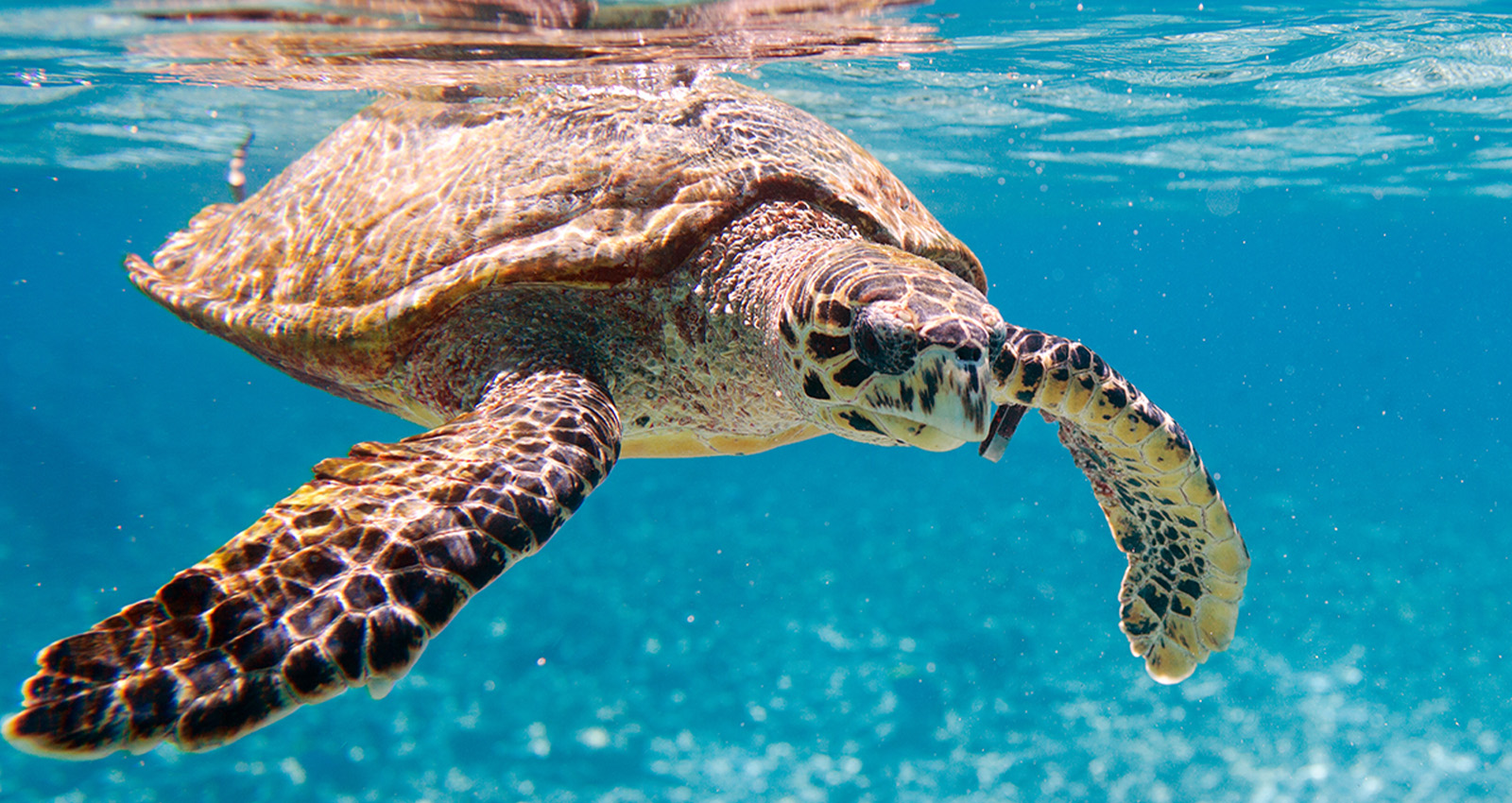
Kenya’s coastline isn’t just about white sand beaches — it’s also a vital habitat for five of the world’s seven sea turtle species. The most commonly seen are the green and hawksbill turtles, often observed feeding on seagrass or cleaning coral reefs. Several conservation programs along the coast — from Watamu to Diani — offer guests the chance to witness turtle hatchlings making their first journey to the ocean. These marine reptiles are strictly protected, and their nesting sites are closely monitored to ensure the survival of future generations.
8. Galagos (Bush Babies): The Night-Time Acrobats
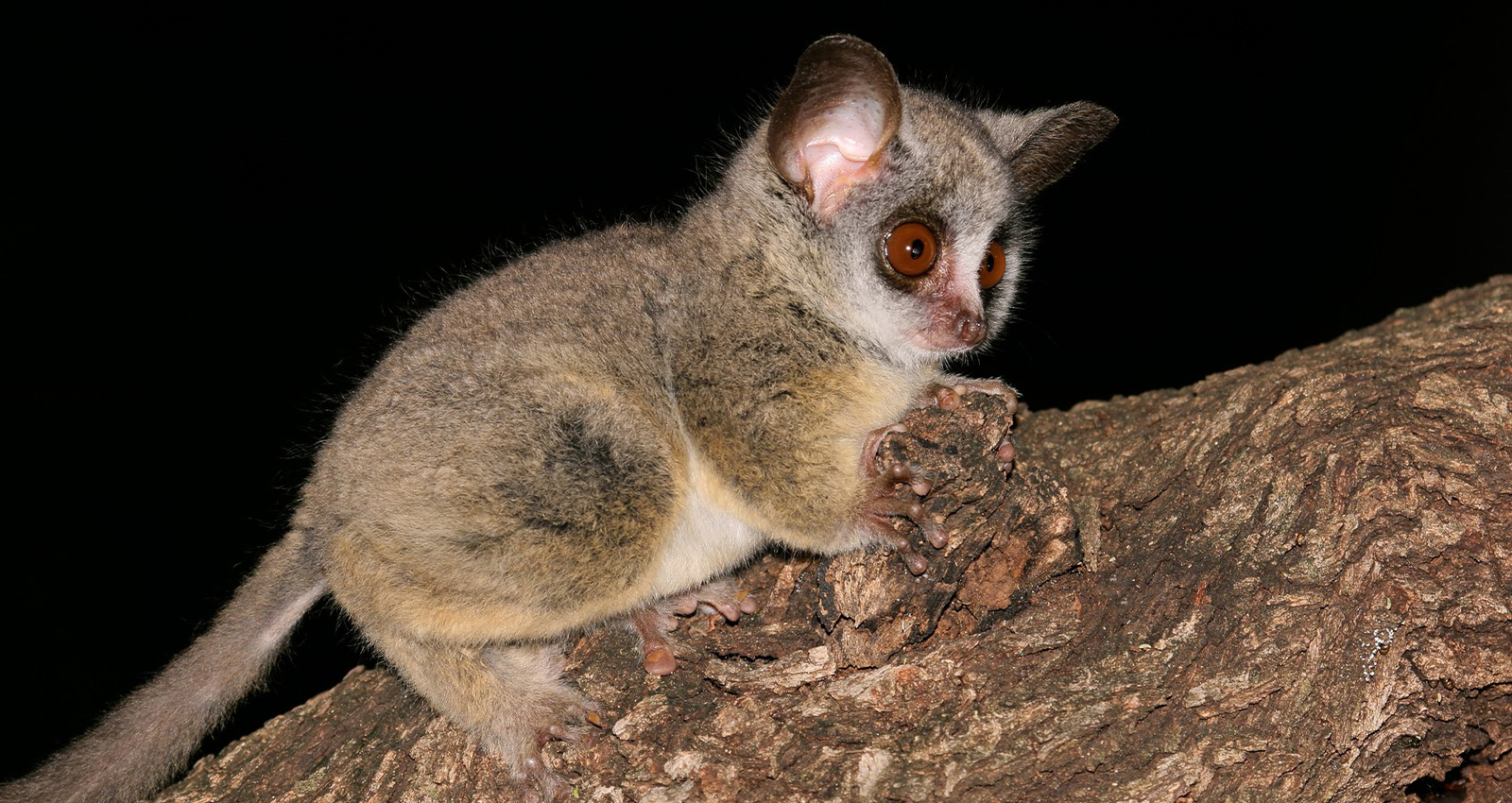
Galagos, or bush babies, are tiny primates with oversized eyes that light up in the dark. Their large ears and incredible leaping ability (up to 7 feet!) help them thrive in Kenya’s forests and savannahs. These nocturnal creatures are highly vocal and can be heard calling from treetops at night. They mostly feed on insects, fruit, and tree sap. Look for them during night drives in places like Lake Nakuru National Park or the Maasai Mara.

9. Caracal: The Desert Phantom
Sleek, solitary, and fiercely agile, the caracal is one of Kenya’s most elegant wild cats. Its most defining features, with no spots or stripes, are its tall, tufted ears and reddish coat. Caracals are master hunters, capable of leaping three meters into the air to swat birds mid-flight. They also prey on rodents, birds, monkeys, and small antelopes. Since they are mostly nocturnal, your best chance to see one is during a night game drive in areas like Samburu or Tsavo.

10. Flamingos: Kenya’s Pink Parade
Flamingos are far from obscure, but their massive flocks and brilliant pink hues make them one of Kenya’s most mesmerizing birdwatching experiences. Two species — the greater and lesser flamingo — can be seen in soda lakes such as Lake Nakuru, Lake Bogoria, and Lake Elementaita. Lesser flamingos, with deeper pink coloring, are the more abundant of the two, while greater flamingos are larger and paler. The lakes transform into vibrant pink seas when thousands gather together — a truly unforgettable sight.
Plan My Trip
GET IN TOUCH
To contact an expert travel planner to start planning your adventure in Kenya, click the button below: