

Why Waterbucks Smell So Bad?
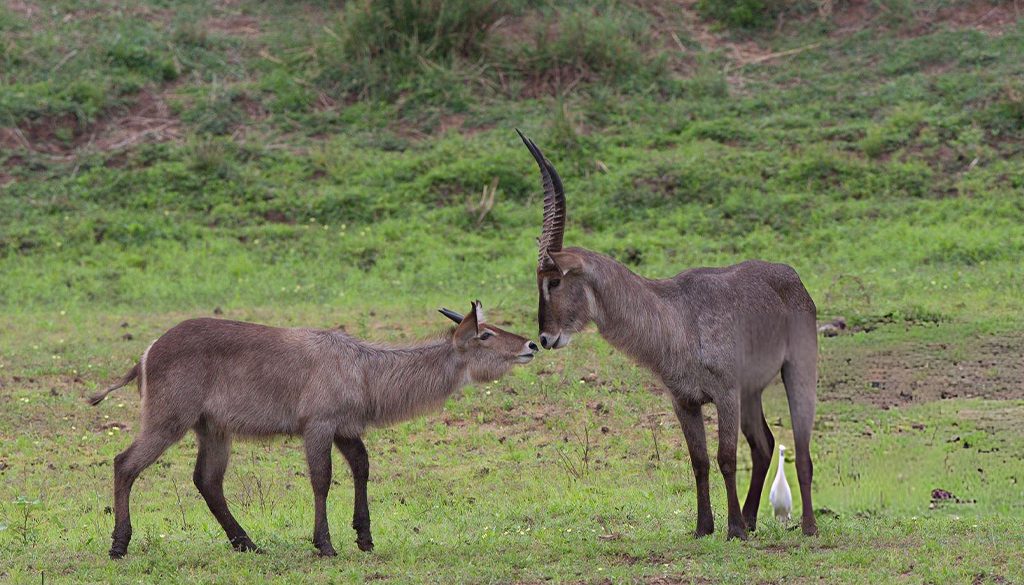
The biggest reason why waterbucks smell so bad is because their skin is packed with specialized sweat glands that continuously produce a greasy, musky oil that thoroughly coats their entire body. While humans might find the smell overwhelming, that rank oil is actually a brilliant evolutionary survival strategy that keeps them dry, warm, and marked in a wild and unforgiving environment.
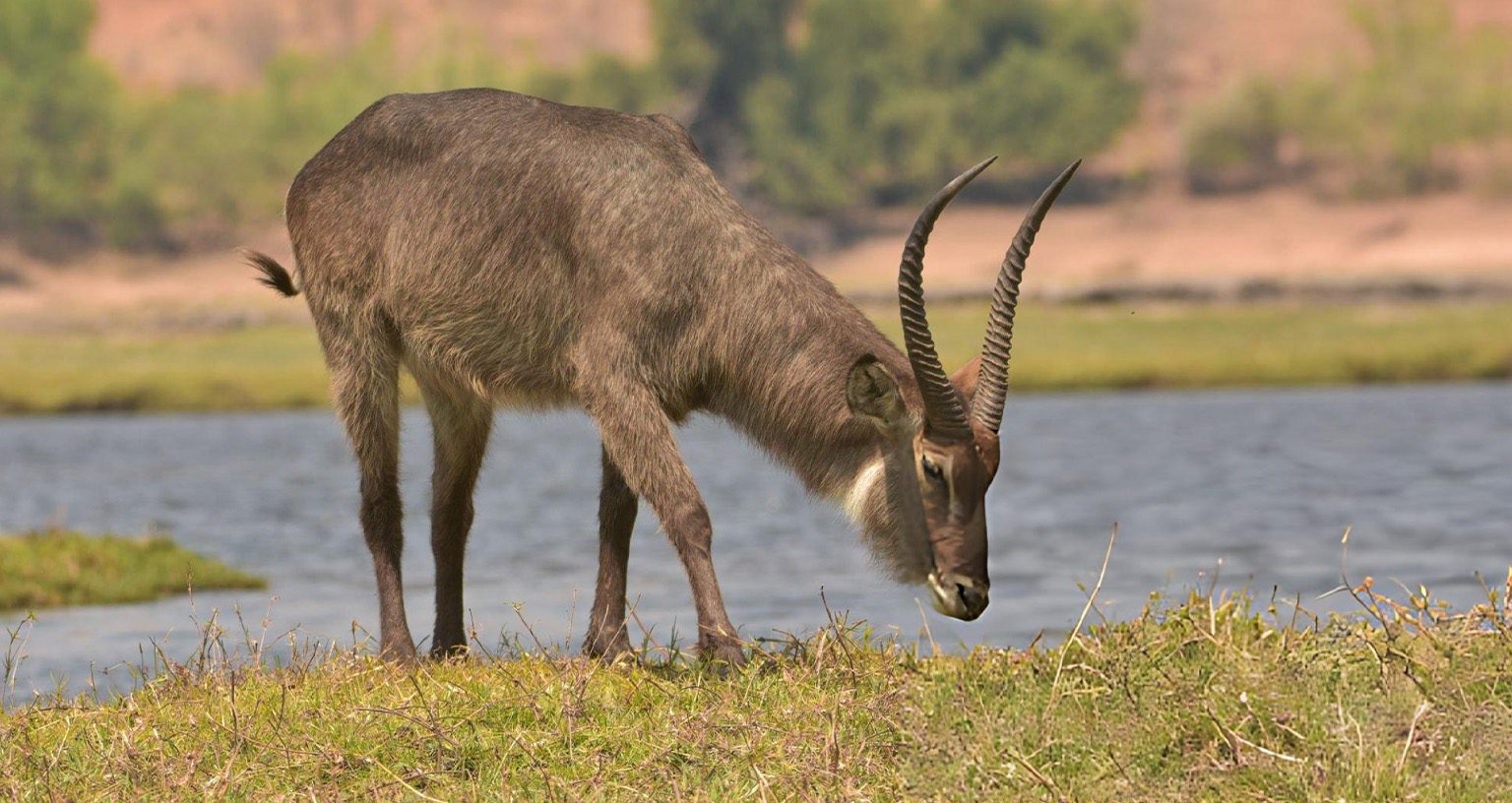
Unlike many other antelopes that roam the dry open grasslands, waterbucks are heavily dependent on water bodies. They spend a massive portion of their lives wading through deep water to feed on aquatic plants or escape lurking predators. If an ordinary mammal spent that much time submerged in river currents, its fur would soak through, weighing it down and exposing it to severe hypothermia. The waterbuck’s body solves this problem by producing a dense, greasy secretion rich in lipids and organic compounds. This oil acts as a natural, built-in raincoat, thoroughly coating each coarse hair strand so that water slides right off without penetrating to the skin.
However, this oily waterproof barrier comes with a distinct odor profile that human noses find downright overwhelming. The chemical cocktail within the secretions contains specialized volatile organic acids and musky terpenes that emit a strong, lingering scent, often compared to a mix of sweet musk, damp wool, and rotting vegetation. This oil is so potent and pervasive that it saturates the animal’s entire hide, so much so that even a brief touch can leave the greasy residue—and its unmistakable odor—stuck to your hands for hours.
Natural Insect Repellent and Chemical Shielding
Intriguingly, waterproofing is only the beginning of what this pungent chemical shield accomplishes. Living in wetland habitats means sharing space with dense swarms of biting insects, which carry deadly parasites. The pungent chemical compounds in their skin oil act as a powerful organic insect repellent. While other grazers on the plains spend their days constantly twitching, swatting their tails, and wasting valuable energy fighting off persistent bugs, the waterbuck enjoys a relative sanctuary of pest-free grazing, protected by its own natural bug spray.
Beyond survival mechanics, this odor functions as a sophisticated broadcasting network for herd dynamics. Mammals rely heavily on scent communication, and for waterbucks, their distinct musky perfume carries a wealth of biological data. Dominant males use these scent markers to stake out their territories and advertise their presence to rivals. By rubbing their oily necks and faces against trees, tall reeds, and bushes, they leave behind long-lasting olfactory signposts that warn competing males to stay away. The strength and composition of the scent also convey vital information about an individual’s health, reproductive readiness, and hierarchy within the herd, allowing members to recognize each other even through dense riverine brush where visibility is limited.
Predator Deterrence and Unpalatable Meat
This pungent defense strategy even extends to predator deterrence in a rather surprising way. Legend among safari guides often holds that predators will deliberately avoid hunting waterbucks because their meat tastes so foul from the oily hide. While large carnivores like lions, hyenas, and leopards certainly do prey on them when necessary, the greasy skin makes skinning and eating them a less appealing task. The musky oil quickly transfers to the flesh during feeding, giving the meat an unpalatable, greasy flavor that predators might bypass if cleaner prey is readily available nearby.
When you piece together all these extraordinary survival benefits—from keeping warm in chilly rivers and repelling disease-carrying flies to establishing dominance and warding off hungry predators—it becomes clear why waterbucks smell so bad. What sounds to us like an unpleasant biological quirk is actually an indispensable multi-tool for life on the African floodplain, proving once again that in the wild, function always triumphs over fragrance.
When safari enthusiasts first encounter these impressive antelopes, they are often struck by their rugged appearance before they ever notice their scent. Standing up to 50 inches tall at the shoulder and weighing up to 600 pounds, male waterbucks possess long, spiral horns that curve backward and sweep gracefully upward. Their coats range from reddish-brown to grayish-brown, often growing darker with age. One of their most recognizable physical traits is a prominent white ring encircling their rump, surrounding the tail, which serves as a visual “follow-me” sign for herd members navigating through thick brush in low-light conditions.

Physiological Adaptation to Aquatic Ecosystems
The hair coat of the waterbuck is unusually coarse compared to that of other African antelopes such as impalas, gazelles, or topis. This rough texture is essential because it holds the dense, greasy lipid secretions close to the epidermis. The skin itself contains an exceptionally high concentration of sebaceous and specialized apocrine glands per square centimeter. As the animal moves, grazes, or brushes against vegetation, the constant friction helps distribute the oil evenly across the entire pelage. This active distribution network ensures that no area of the body remains vulnerable to water penetration.
Hydrophobic interactions drive the water-repellent mechanics of this oily secretion. The lipids create a high surface tension against water molecules, forcing liquid droplets to bead up and roll off the outer coat rather than saturating the underfur. Because air remains trapped between the dry underfur and the surrounding water when the animal wades into deep rivers, the waterbuck benefits from an insulating boundary layer of air. This thermal barrier significantly reduces conductive heat loss, enabling the animal to forage comfortably in cold river currents during early mornings or seasonal temperature drops.
Social Communication and Territory Management
Scent marking forms the backbone of waterbuck social hierarchy and space utilization. Males reach sexual maturity at around three years of age and begin competing for permanent territories near water sources. A territorial bull marks his domain continuously by rubbing his neck, forehead, and cheeks—areas with dense concentrations of oil-producing glands—against trees, fallen logs, and tall riverbank grasses. These visual and chemical signposts inform neighboring bulls of his presence and physiological status without requiring energy-draining physical contests.
Within maternal herds composed of females and their young, the shared olfactory profile aids in herd cohesion. Calves learn the scent profile of their mothers early in life, ensuring that bond recognition remains intact even in dense papyrus swamps or thick riverine gallery forests where visual line-of-sight is frequently broken.
In summary, every aspect of the waterbuck’s biology reinforces its reliance on this complex chemical shield. From thermal insulation and waterproofing to pest protection, social communication, and predator avoidance, the biological machinery behind these animals explains exactly why waterbucks smell so bad in their natural habitat.
Help Me Plan My Trip
Don’t take our word for it
See what our clients have to say!


GET IN TOUCH
To contact an expert travel planner to start planning your adventure in Kenya, click the button below:


