Why Zebras Don’t Get Ulcers: The Biology of Stress Explained
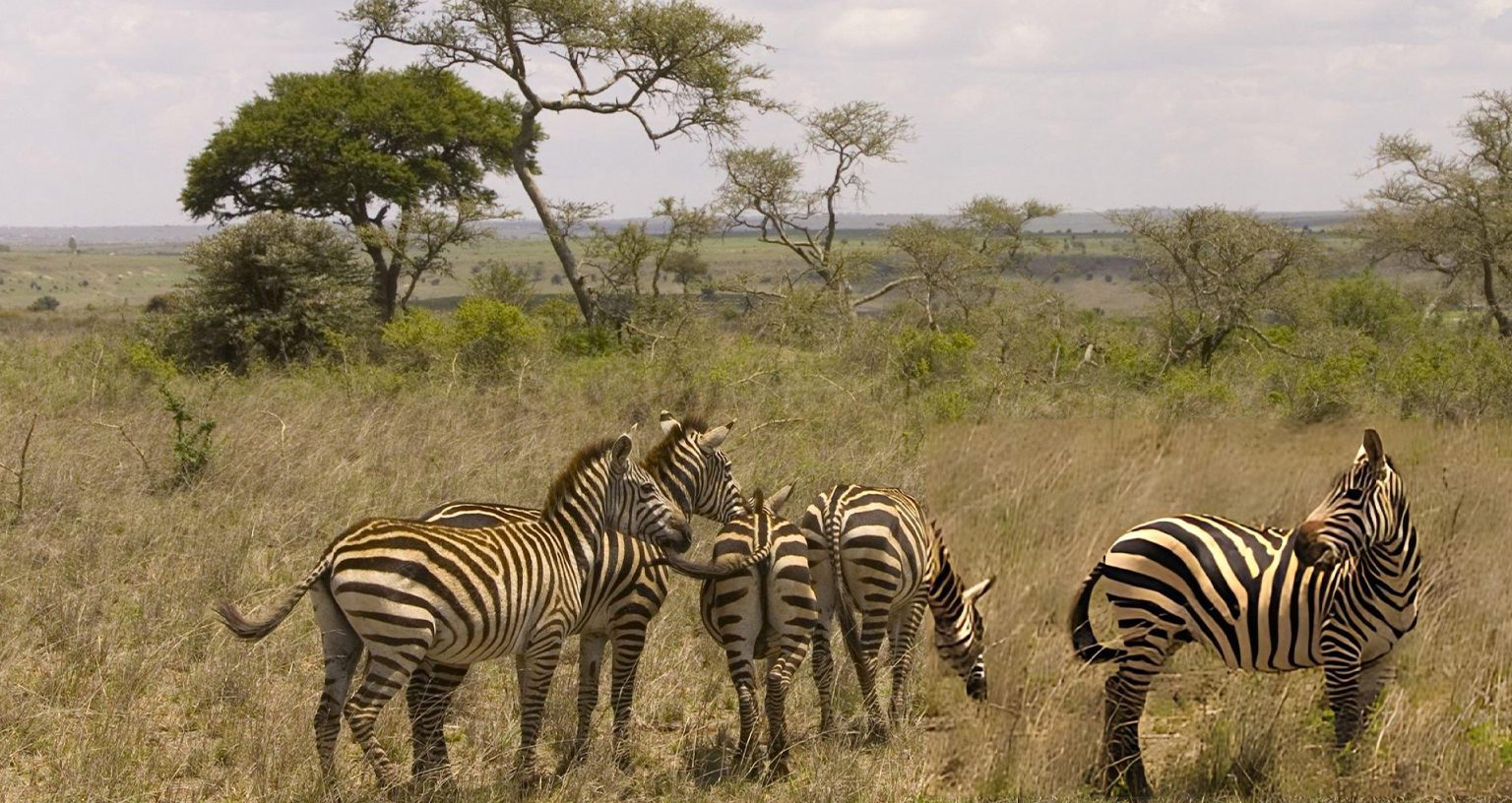
Have you ever wondered why zebras don’t get ulcers while humans seem plagued by them? The answer comes down to a fundamental biological difference in how wild animals and humans handle psychological pressure. When a zebra is chased by a lion on the African savanna, its body unleashes a massive, short-term emergency response. Adrenaline surges, blood pressure skyrockets, and every spare unit of energy is routed straight to its leg muscles for an all-out sprint for survival. Three minutes later, the high-stakes ordeal is over.
Either the zebra becomes lunch, or it escapes. If it escapes, its body immediately resets: its heart rate drops, stress hormone levels plunge, and it goes right back to grazing in peace. The zebra does not spend the rest of the week worrying about whether the lion will return, replaying the attack in its head, or lying awake at night anxious about its standing in the herd.
Humans, on the other hand, possess a gift that doubles as a biological curse: the capacity for complex memory, imagination, and psychological anticipation. We can trigger the exact same full-blown physical emergency response simply by thinking about a difficult boss, a stack of unpaid bills, a strained relationship, or traffic. We plan for the future, analyze the past, imagine worst-case scenarios, and worry endlessly. Unfortunately, from an evolutionary standpoint, the human nervous system cannot tell the difference between a predator charging across the savanna and a late-night anxiety spiral about career trajectory.
Quick Summary: Zebras vs. Humans under Pressure
Feature | The Zebra's Emergency Response | The Human Chronic Response |
Primary Trigger | Immediate, physical life-or-death threat | death threatImagined, ongoing psychological pressure |
Duration | Short-term (3 to 5 minutes) | Long-term (weeks, months, or years) |
Recovery | Immediate physiological reset to baseline | Prolonged elevation of cortisol and adrenaline |
Gastrointestinal Impact | Transient, non-damaging pauses in digestion | Mucosal degradation and ulcer vulnerability |
Primary Outcome | Efficient physical survival | Chronic physiological wear and tear |
The Real Mechanism Behind Stomach Ulcers
This continuous emergency state is precisely how stomach ulcers develop. For decades, medical science assumed that mental pressure caused ulcers directly by prompting the stomach to produce excessive acid that burned holes in its own lining. That view was revolutionized when researchers discovered that the primary cause of most stomach ulcers is actually a bacterium called Helicobacter pylori.
So where does psychological pressure fit into the equation? When chronic worry convinces the body that it is under constant attack, blood flow to the stomach remains restricted day after day. The body temporarily stops manufacturing protective mucus and shuts down vital cellular repair routines. Starved of adequate blood flow and proper maintenance, the stomach lining degrades over time. This erosion allows Helicobacter pylori to multiply and stomach acid to erode the exposed tissue.
Stress does not burn the stomach directly; instead, prolonged biological strain strips away the body’s natural defense and repair mechanisms, leaving the stomach vulnerable to damage. Discovering why zebras don’t get ulcers reveals a simple truth: a zebra’s stomach lining is never starved of blood and maintenance for weeks on end because its emergency alarm turns off as soon as danger passes.

Beyond the Stomach: The Widespread Toll of Chronic Stress
Stomach ulcers are only one glaring example of what happens when our biological emergency systems remain active indefinitely. The very mechanisms designed to save our lives in short bursts end up causing severe long-term harm when turned on constantly.
-
Cardiovascular Damage: Elevated blood pressure meant for a short sprint turns into chronic hypertension, creating microscopic tears in arterial walls.
-
Immune Suppression: Immune function, suppressed during a sprint to save energy, leaves the body susceptible to chronic inflammation and frequent infections.
-
Metabolic Disruption: Suspended metabolic balance keeps blood sugar elevated, significantly increasing the long-term risk of type 2 diabetes.
-
Sleep & Cognitive Impairment: Constant stress hormones like cortisol disrupt slow-wave sleep cycles, impairing memory consolidation and mental clarity.
Biological Alarm Triggers: Acute vs. Chronic Activation
Acute Physical Threat (Zebra)
[ Lion Chase ] ➔ [ Emergency Response ] ➔ [ Sprint / Escape ] ➔ [ Full Recovery ]

Chronic Psychological Threat (Human)
[ Daily Worries ] ➔ [ Emergency Response ] ➔ [ Persistent Elevation ] ➔ [ Physical Wear & Tear ]

Rewiring the Human Nervous System
The vital lesson we take from studying why zebras don’t get ulcers is that our physiological response evolved to handle immediate physical danger, not imagined futures. While we cannot abandon our ability to think, plan, and reflect, we can train ourselves to turn off false environmental alarms.
To send clear biological signals to your nervous system that the threat has passed, integrate these proven physiological resets:
-
Engage in Regular Physical Exercise: Vigorous movement burns off excess cortisol and adrenaline, mimicking the physical effort of escaping a threat.
-
Prioritize Deep Diaphragmatic Breathing: Slow, measured breaths directly stimulate the vagus nerve, triggering the parasympathetic “rest and digest” system.
-
Cultivate Social Connection: Positive human interaction lowers heart rate and signals safety to the primitive regions of the brain.
-
Practice Mindfulness and Presence: Grounding your thoughts in the present moment interrupts psychological worry and prevents unnecessary fight-or-flight activation.
Understanding why zebras don’t get ulcers offers a clear roadmap for human health. By learning when to quiet our mental alarms, we allow our bodies to recover, repair, and maintain optimal balance amidst the noise of modern life.
Help Me Plan My Trip
GET IN TOUCH
To contact an expert travel planner to start planning your adventure in Kenya, click the button below: