

Meeting the 2 Last Northern White Rhinos at Ol Pejeta
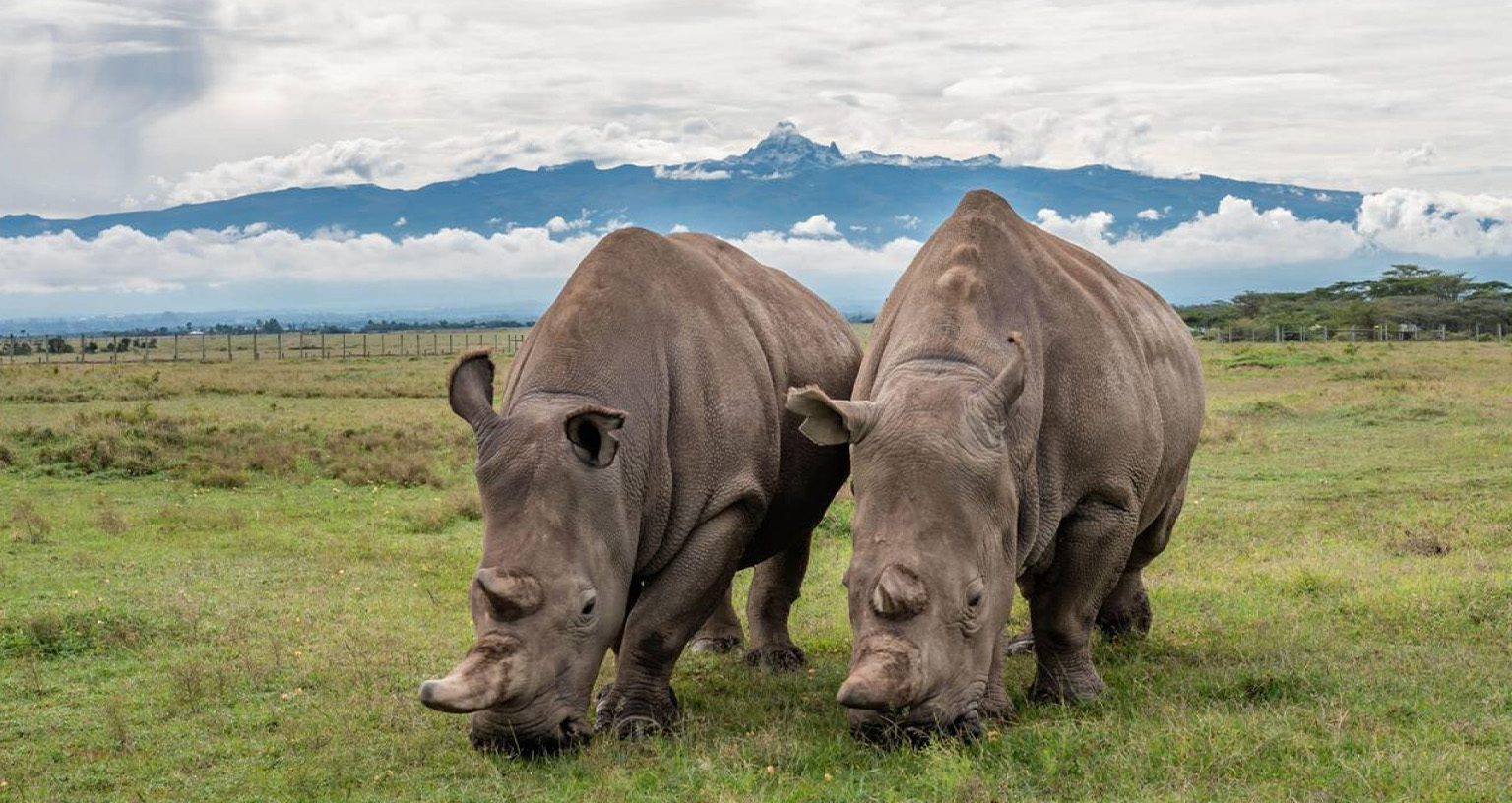
For decades, the story of the Northern White Rhinos has been one of struggle and resilience. Once roaming freely across East and Central Africa, their populations were decimated by civil unrest, habitat loss, and, most devastatingly, the rampant poaching for their horns. By the time the world realized the severity of the crisis, the wild population had vanished.
Najin and Fatu, along with two males, Suni and Sudan, were brought to Ol Pejeta from a zoo in the Czech Republic in 2009. The hope was that the African climate and a more natural environment would stimulate breeding. However, nature had other plans. With the passing of Sudan in 2018, the last male of his kind, the Northern White Rhinos, became functionally extinct. Today, these two females are the sole guardians of their genetic legacy.
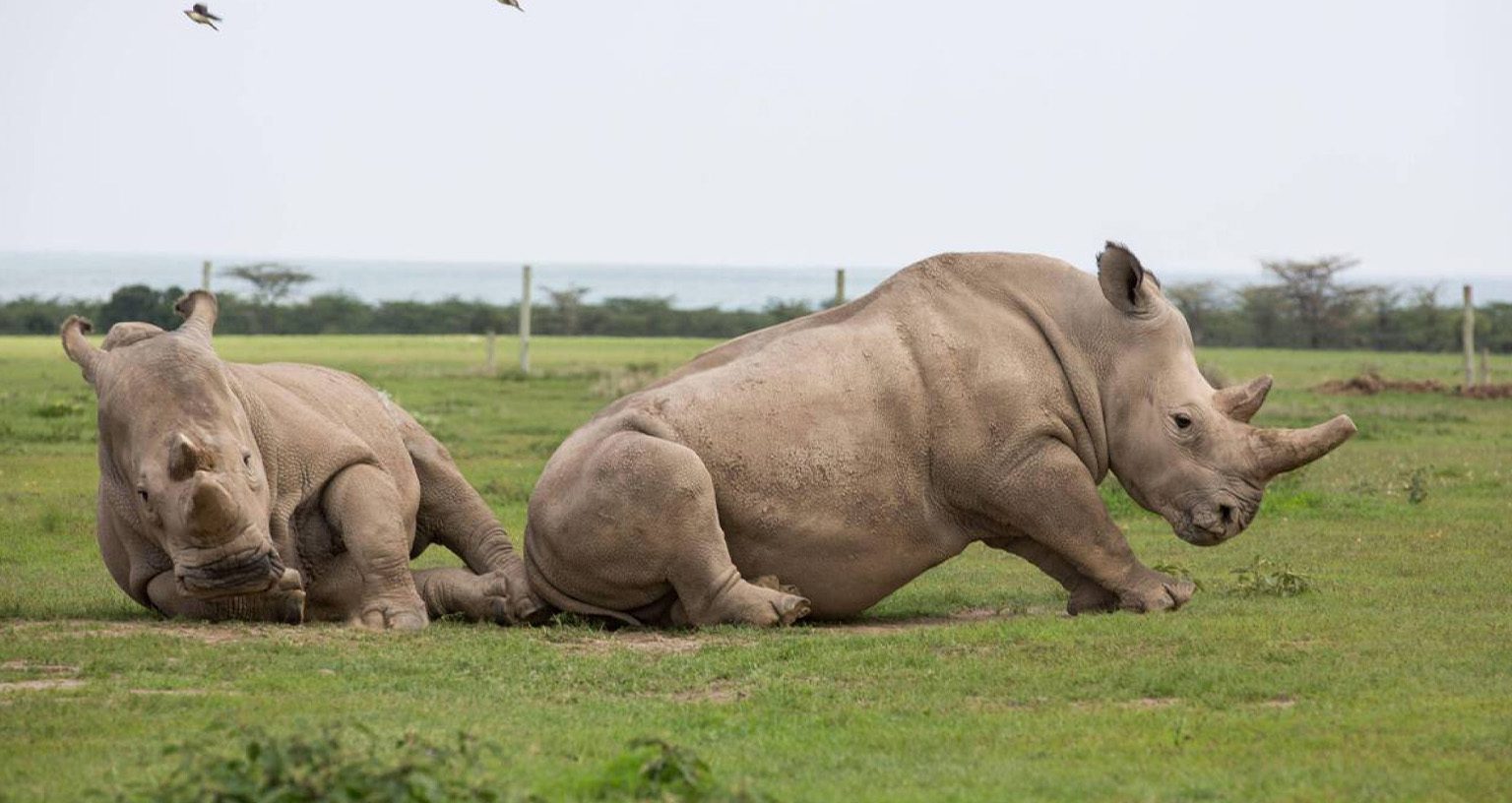
A Day at Ol Pejeta: Meeting Najin and Fatu
Visiting the Northern White Rhinos is not like a standard game drive where you spot animals from a distance. At Ol Pejeta, you are invited into the 700-acre endangered species enclosure. Under the watchful eyes of dedicated, armed rangers who protect them 24/7, you get to walk within meters of these prehistoric giants.
The first thing you notice about the Northern White Rhinos is their size. They are massive, moving with a surprising, quiet grace across the scrubland. Their skin looks like weathered armor, etched with the stories of a million years of evolution. When you see Fatu grazing peacefully, it is hard to reconcile her calm demeanor with the fact that she is one of the most endangered beings on the planet.
The Science of Hope: Biorescue
While the situation for the Northern White Rhinos seems bleak, there is a glimmer of hope. Because Najin and Fatu cannot carry a pregnancy to term, scientists are currently working on a groundbreaking “Biorescue” project. This involves using eggs harvested from the females and frozen sperm from deceased males to create embryos, which are then implanted into Southern White Rhino surrogates.
When you stand in their presence, you realize you are looking at a living laboratory. Every ticket sold and every visitor who engages with their story helps fund the astronomical costs of this scientific endeavor to save the Northern White Rhinos from the brink of total erasure.
Why Northern White Rhinos Matter to the Ecosystem?
It is easy to wonder why so much effort is poured into just two animals. Beyond the moral obligation, Northern White Rhinos are “mega-herbivores.” They play a vital role in maintaining the health of the African grasslands. By grazing, they act as natural lawnmowers, creating “grazing lawns” that allow smaller species to thrive and reduce the intensity of wildfires.
The loss of the Northern White Rhinos isn’t just the loss of a single species; it’s a pull at a thread that could eventually unravel the entire ecological tapestry of the region.
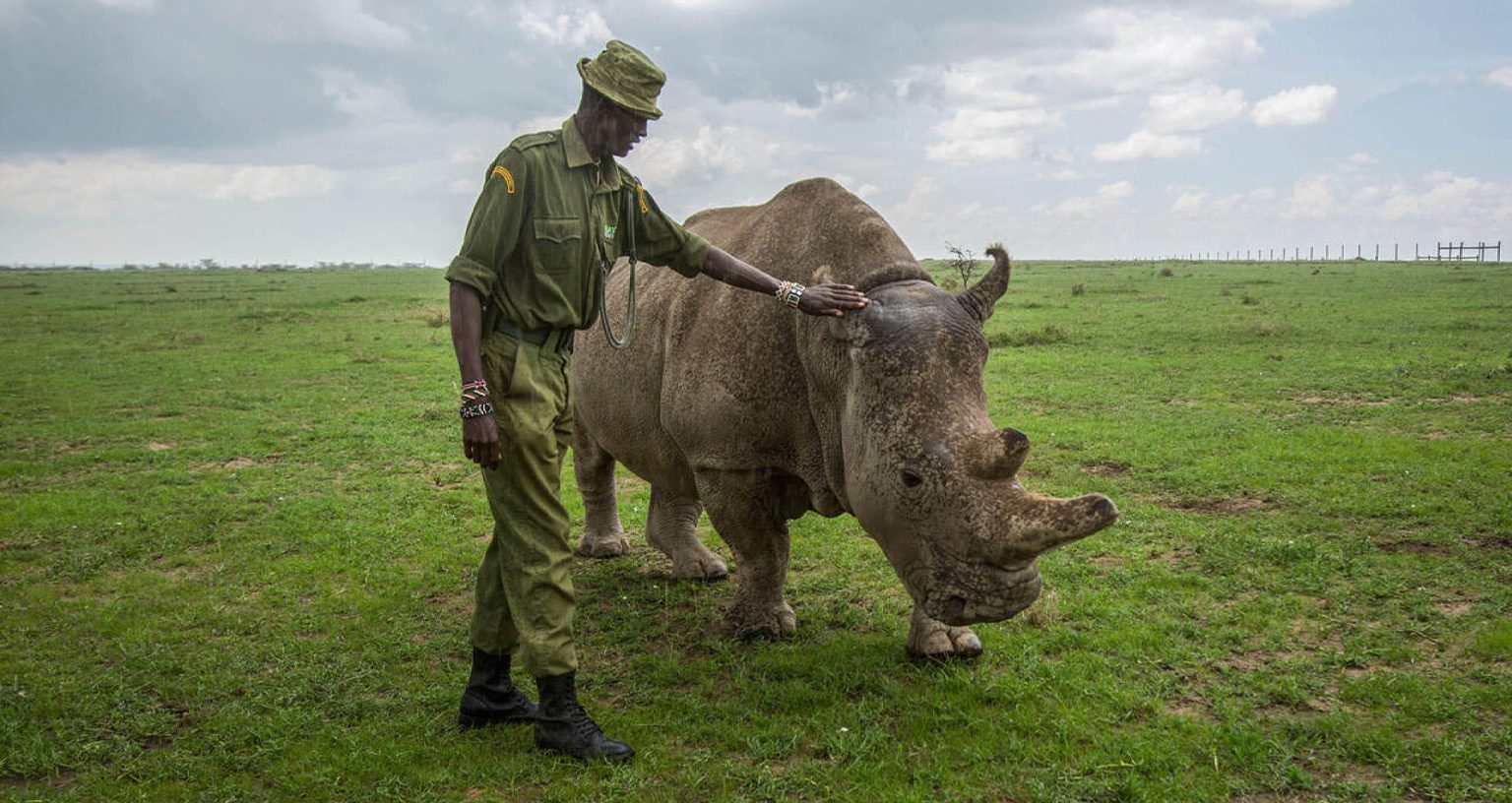
The Rangers: The Human Shield
You cannot tell the story of the Northern White Rhinos without mentioning the men who live alongside them. The rangers at Ol Pejeta are more than just security; they are family to Najin and Fatu. They know their temperaments, their favorite scratching posts, and the subtle changes in their moods.
Watching a ranger interact with them is a lesson in empathy. There is a deep, unspoken bond there. These men risk their lives daily against poachers to ensure that the last two Northern White Rhinos can live out their days in peace. Their dedication is a powerful reminder that while humans are the cause of this crisis, we are also the only ones who can provide the solution.
How You Can Help the Northern White Rhinos?
Visiting Ol Pejeta is one of the most direct ways to support the conservation of the Northern White Rhinos. The tourism revenue generated from these visits goes directly toward the astronomical costs of 24-hour security and the ongoing IVF research.
However, even if you cannot travel to Kenya, you can still be a voice for the Northern White Rhinos. Supporting organizations like the Ol Pejeta Conservancy or the Wild Africa Fund helps provide the resources needed to keep this scientific miracle alive. Education is equally important—sharing the story of the Northern White Rhinos ensures that their plight is never forgotten.
Help Me Plan My Trip
GET IN TOUCH
To contact an expert travel planner to start planning your adventure in Kenya, click the button below:


