

The Untold Power of the African Forest Buffalo: Fascinating Facts You Never Knew
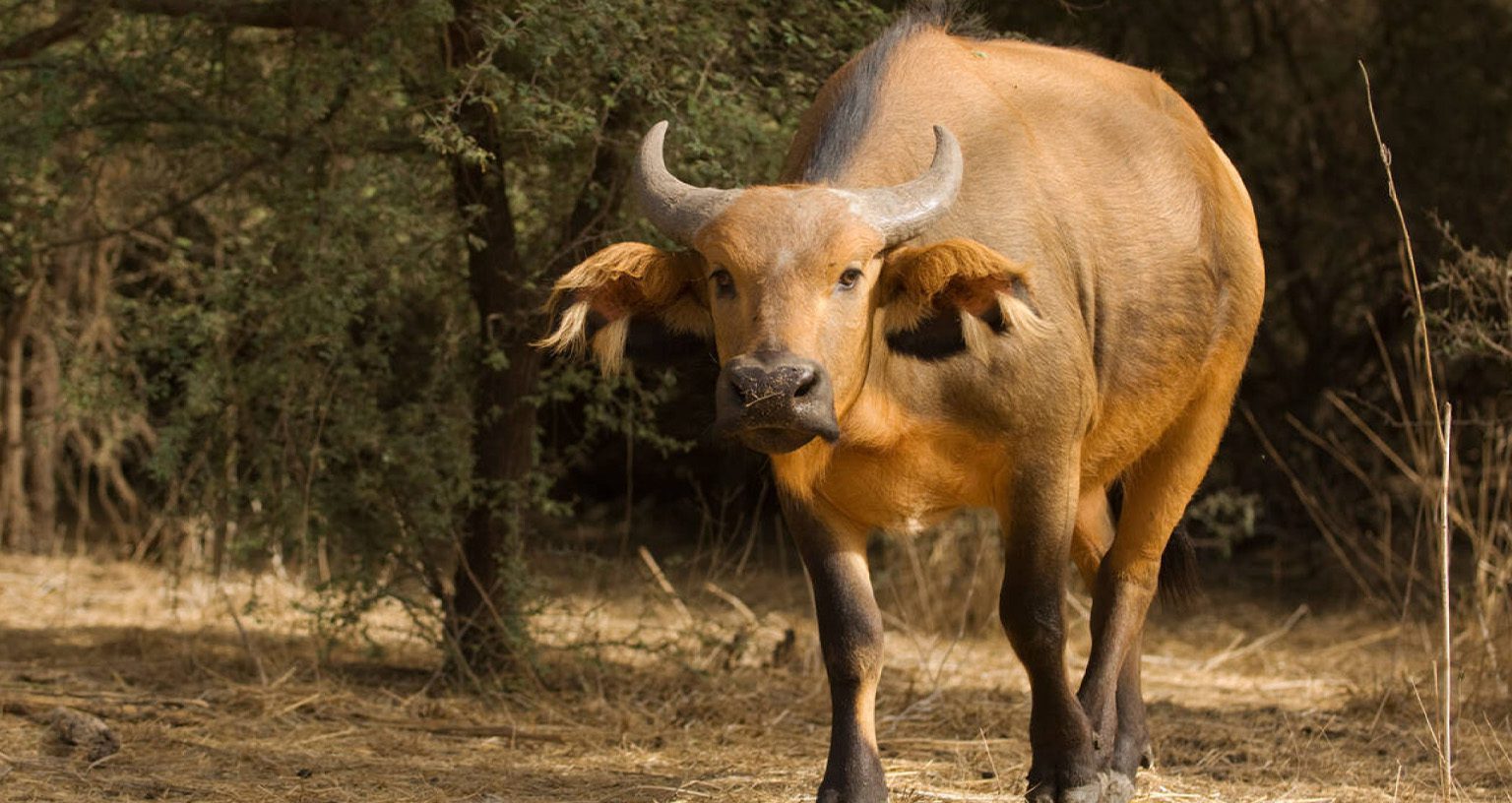
The African Forest Buffalo is often overshadowed by the larger and more aggressive Cape buffalo, but this smaller species plays a vital role in maintaining forest ecosystems. Living in dense, humid rainforests of Central and West Africa, the African Forest Buffalo shapes vegetation as it grazes and moves through thick undergrowth. Its feeding patterns create small clearings that allow sunlight to reach the forest floor, supporting new plant life and encouraging biodiversity.
This makes the African Forest Buffalo an important natural “gardener” of Africa’s forests. Without it, certain tree and plant species would struggle to regenerate, altering the balance of entire forest systems.
A Rare Example of Adaptation to a Challenging Habitat
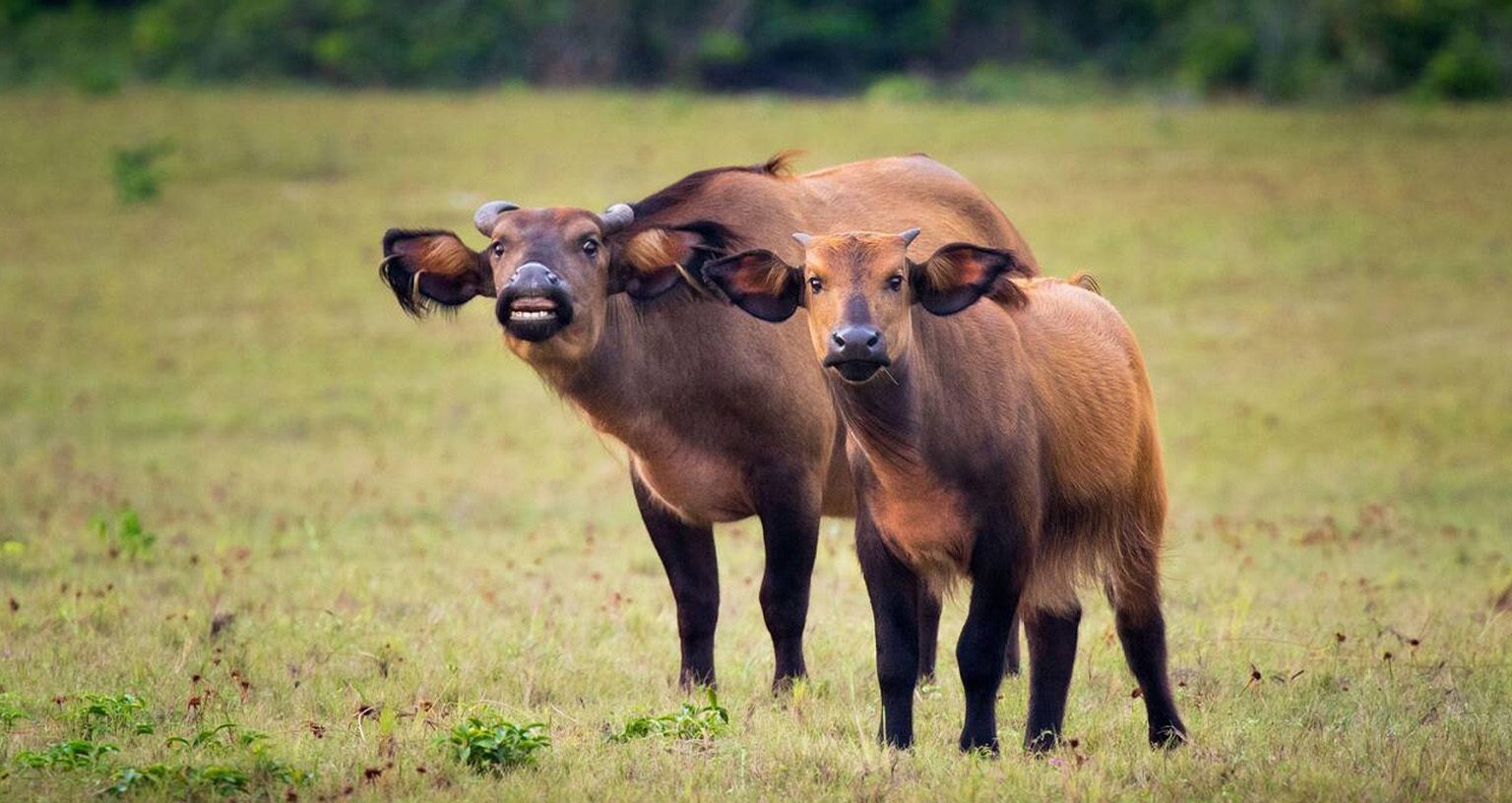
What truly sets the African Forest Buffalo apart is how remarkably it has adapted to a habitat that is difficult, wet, and unpredictable. Unlike savannah buffalo, forest buffalo must navigate thick vines, mud, low visibility, and persistent rainfall.
To survive here, the African Forest Buffalo evolved:
-
Smaller, compact bodies for easy movement through foliage
-
Reddish-brown coats that camouflage perfectly in rainforest light
-
Short, curved horns: less likely to get tangled in vegetation
These adaptations are powerful proof of the species’ resilience, another reason the African Forest Buffalo is so uniquely impressive.
A Social Structure Built on Calm Intelligence
While cape buffalo are known for their fierce aggression, the African Forest Buffalo demonstrates a surprisingly calm and intelligent social system. Herds are usually small: between 8 and 20 individuals, allowing for stronger bonds and more complex communication.
Within these herds:
-
The dominant female leads the group
-
Mothers cooperate in protecting calves
-
Individuals communicate with soft grunts, huffs, and body language
-
Conflicts are rare and usually resolved without violence
This behavior reveals a gentler, more calculated side of buffalo life, rarely seen in more famous subspecies. It also highlights how little we truly know about the African Forest Buffalo and how much more there is to learn.
One of the Most Elusive Animals in Africa
Many travelers spend years on safari without ever catching a glimpse of the African Forest Buffalo. Its rainforest home, combined with its quiet nature and smaller herd size, makes it one of Africa’s most difficult animals to spot.
However, this very elusiveness adds to its mystery.
The African Forest Buffalo moves at dawn and dusk, slipping between shadows and thick foliage with surprising speed and grace. For wildlife photographers and conservationists, spotting one is considered a rare and memorable achievement.
This scarcity is part of what makes the African Forest Buffalo such an exciting species, yet another reason it deserves far more attention.
A Keystone Species for Forest Survival
If the African Forest Buffalo disappeared, the impact on Central and West African rainforests would be enormous. As a keystone species, it influences the survival of plants, insects, and predators alike. The African Forest Buffalo:
-
Disperses seeds through dung
-
Opens travel corridors used by other wildlife
-
Creates microhabitats for insects and amphibians
-
Prevents vegetation overgrowth that could choke forest pathways
Its presence shapes the forest in ways humans rarely notice, yet rely on. Many species, including forest elephants, duikers, and leopards, benefit from the buffalo’s activities.
Losing the African Forest Buffalo would create a chain reaction of ecological damage across the region, proving just how essential this often-overlooked animal is.

A Species Facing Quiet but Serious Threats
Despite its importance, the African Forest Buffalo faces numerous threats, many of which receive far less attention than those confronting more famous species. Deforestation, poaching, and habitat fragmentation continue to push populations into smaller, isolated pockets.
One major challenge is that the African Forest Buffalo’s rainforest habitat is being cleared at alarming rates for:
-
Agriculture
-
Mining
-
Infrastructure
-
Logging
As forests shrink, herds are left with fewer grazing areas and limited genetic diversity. Climate change adds further pressure, altering rainfall patterns and food availability.
Highlighting these threats is crucial. If awareness and protection efforts do not increase, the African Forest Buffalo may become one of Africa’s forgotten conservation tragedies.
A Hidden Gem for Ecotourism and Conservation Education
For travelers seeking unique wildlife encounters, the African Forest Buffalo offers something different—an adventure off the beaten path. Instead of open savannahs, visitors must explore lush forests, listen for distant rustling, and rely on skilled trackers. This makes sightings feel more intimate and rewarding.
Countries such as the Republic of Congo, Gabon, Cameroon, and the Central African Republic offer some of the best opportunities to observe this incredible animal. Tourism centered on the African Forest Buffalo can also help fund conservation projects and raise awareness about rainforest protection.
For these reasons, including the African Forest Buffalo in ecotourism strategies is not only beneficial, it’s powerful.
Help Me Plan My Trip
GET IN TOUCH
To contact an expert travel planner to start planning your adventure in Kenya, click the button below:


