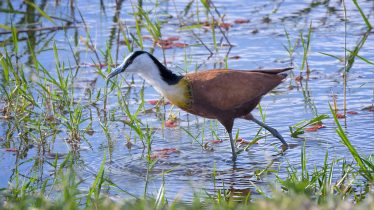
Discover the Magic of Lake Naivasha: Kenya’s Hidden Paradise

Lake Naivasha stands as one of Africa’s most captivating freshwater lakes – a tranquil sanctuary surrounded by breathtaking scenery, abundant wildlife, and a charm that’s both soothing and exhilarating. It’s more than just a scenic stopover on your way to the Maasai Mara or Nakuru; it’s a world of tranquility and wonder waiting to be explored. Whether you’re a nature lover, birdwatcher, or adventure seeker, Lake Naivasha offers an unforgettable experience that perfectly blends relaxation, wildlife, and raw African beauty.
A Natural Jewel in the Great Rift Valley
At an altitude of 1,884 meters (6,181 feet), Lake Naivasha is the highest of all the Rift Valley lakes. It spans about 139 square kilometers, though its size fluctuates with rainfall. Unlike the nearby saline lakes such as Nakuru and Elementaita, Naivasha is a freshwater lake—a rarity in this volcanic region. This unique quality attracts an abundance of wildlife and has made it one of the most productive ecosystems in Kenya.
The lake’s name originates from the Maasai word Naiposha, meaning “rough water,” a reference to the sudden storms that can whip across its surface. Despite its occasional turbulence, the lake exudes a calm, almost mystical charm. The mirror-like waters reflect the blue sky and the surrounding hills, creating postcard-perfect scenes at every turn.

A Haven for Birds and Wildlife
Lake Naivasha is a paradise for bird enthusiasts. Over 400 bird species have been recorded here, making it one of Kenya’s top birdwatching destinations. You’ll find everything from African fish eagles—whose piercing calls echo over the water—to colorful kingfishers, pelicans, cormorants, herons, and the rare lily-trotters that gracefully walk on floating vegetation. The papyrus fringes and acacia trees serve as ideal nesting grounds, while the open waters attract flocks of migratory birds from as far as Europe and Asia.
Beyond birds, the lake supports a healthy population of hippos, often seen wallowing lazily in the shallows or grazing along the grassy shores at dusk. If you take a boat ride, you might get close enough to see their eyes and nostrils peeking above the water—an unforgettable sight. The surrounding ecosystem also hosts giraffes, buffaloes, zebras, and antelopes, particularly in nearby Crescent Island and the Hell’s Gate National Park, which lies just a short drive away.
Crescent Island: Walk Among the Wildlife
One of the most unique experiences around Lake Naivasha is visiting Crescent Island, a private wildlife sanctuary located within the lake. Accessible by boat, this crescent-shaped peninsula allows visitors to walk freely among wild animals—something you can’t do in most parks. There are no predators here, which makes it safe to explore on foot. Imagine strolling beside grazing giraffes or watching zebras and impalas just a few meters away. The island also offers some of the best panoramic views of the lake and surrounding landscapes, especially at sunrise or sunset.

A Blend of Serenity and Adventure
What makes Lake Naivasha truly special is its versatility. It’s a place where you can unwind in peaceful lodges overlooking calm waters one moment, and embark on thrilling adventures the next. Boat safaris are a favorite activity, giving visitors an up-close view of the lake’s wildlife while gliding quietly past flocks of birds and pods of hippos. For the more adventurous, Hell’s Gate National Park, located nearby, offers hiking, rock climbing, and cycling through dramatic gorges and volcanic formations. It’s also the inspiration behind Disney’s The Lion King landscapes.
Horseback safaris, nature walks, and fishing excursions are also available for those seeking a more relaxed pace. And if you’re interested in history, you can visit the former home of Joy Adamson, author of Born Free, now a museum that captures her life with Elsa the lioness.
The Flower Capital of Kenya
Aside from tourism, Lake Naivasha plays a crucial role in Kenya’s economy. The fertile soils and mild climate make the region ideal for horticulture, particularly flower farming. Naivasha is often referred to as Kenya’s flower capital, producing a large portion of the roses exported to Europe. As you drive around the lake, you’ll notice vast greenhouses and neatly arranged fields bursting with color. This blend of natural beauty and human enterprise gives the area a unique vibrancy, though it also highlights the delicate balance between development and conservation.

Conservation Challenges and Sustainability
Like many natural wonders, Lake Naivasha faces environmental challenges. Over the years, fluctuating water levels, pollution, and over-extraction have threatened its delicate ecosystem. Conservation groups and local communities have since joined forces to promote sustainable practices that protect the lake’s biodiversity while supporting livelihoods. Efforts such as eco-tourism, responsible water use, and community education are helping to preserve this ecological gem for future generations. Visiting Naivasha offers travelers not just beauty, but also a chance to contribute to its protection.
Where to Stay and What to Expect
The area around Lake Naivasha boasts a wide range of accommodations- from luxurious lakeside resorts to cozy cottages and eco-lodges. Many offer sweeping views of the water, private decks, and opportunities to spot wildlife right from your room. Popular options include Naivasha Sopa Lodge, Lake Naivasha Country Club, and Enashipai Resort. For budget travelers, there are charming campsites and guesthouses scattered along the shore.
Evenings by the lake are magical. As the sun dips below the horizon, the sky turns shades of orange and purple, and the air fills with the sounds of crickets and distant hippo grunts. It’s the perfect setting to unwind after a day of exploring. With Nairobi just a 90-minute drive away, Lake Naivasha makes for an ideal weekend escape or a serene stopover between safaris.
Help Me Plan My Trip
GET IN TOUCH
To contact an expert travel planner to start planning your adventure in Kenya, click the button below: