

Where is the Best Place to See the Serengeti Calving Season?
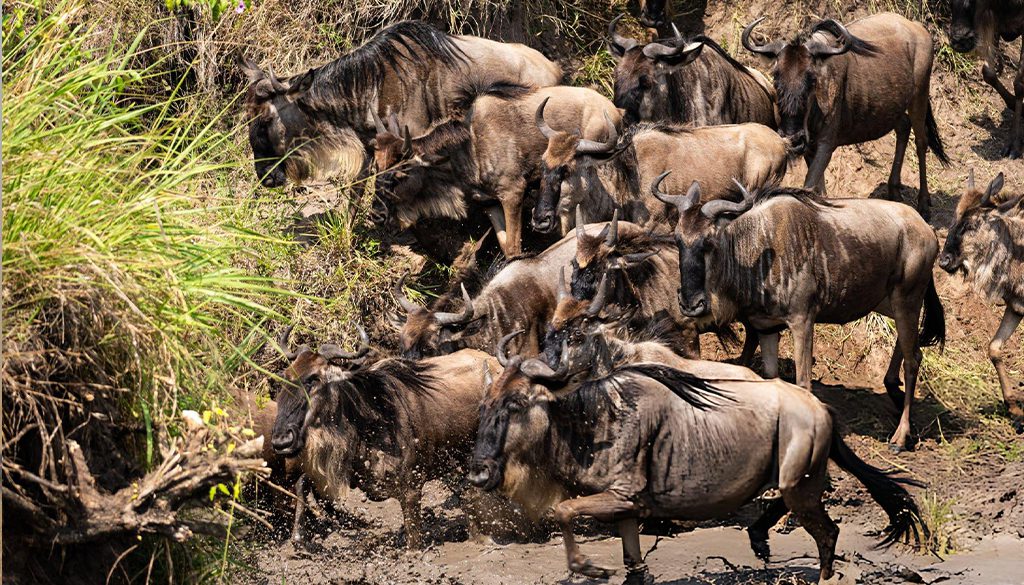
The single best place to see the Serengeti calving season is the Ndutu region, nestled in the southern Serengeti and stretching into the northern borders of the Ngorongoro Conservation Area. The magic of this specific place comes down to a brilliant trick of nature. Following the short rains, the southern plains sprout a carpet of short, highly nutritious grass packed with calcium and magnesium. Evolution has timed the wildebeest birthing cycle so that mothers drop their young right into this nutrient-rich buffet, ensuring they produce the rich milk needed to fuel their babies. Picture fields stretching as far as the eye can see, dotted with hundreds of thousands of new mothers, all pausing together in a synchronized rhythm of survival.
What makes this chapter of the migration so mesmerizing isn’t just the sheer abundance of new life; it’s the raw, unfiltered drama that accompanies it. Nature, in all its stark honesty, wastes no time. The moment thousands of vulnerable newborns hit the ground, the entire ecosystem sits on high alert. Lurking just beyond the fringes of the herds are the opportunistic strategists of the savanna—lion prides, stealthy cheetahs, hyena clans, and elusive leopards—all drawn to the plains for their own breeding season and a seasonal feast.
For a traveler standing amidst this theater, the atmosphere is electric. Within minutes of taking its first breath, a newborn wildebeest calf must find its footing, lock onto its mother’s striped flanks, and learn to run. It’s a heart-pounding race against time. You might watch a mother fiercely defending her hours-old calf from circling jackals, or witness the breathtaking speed of a cheetah testing the herd’s vigilance. Yet, amidst the tension, there is immense tenderness. The plains echo with the soft, high-pitched bleats of calves calling out to find their mothers among the shifting, massive throngs, creating a soundscape unlike anywhere else on Earth.

Choosing to experience the Serengeti calving season in the southern Serengeti and Ndutu region also offers a profound shift in rhythm compared to the frantic rush of peak tourist months. Here, the landscape feels alive with a vibrant, stormy beauty. Afternoon clouds build into dramatic sculptural masterpieces, painting the golden grass in moody shades of silver and emerald before unleashing a brief, refreshing tropical downpour that instantly washes the air clean. As the sun dips low over the vast African plains, casting a fiery amber glow across the multitude of resting animals, you realize you are witnessing the eternal cycle of the wild in its purest form. It is a place of breathtaking fragility and fierce resilience, where every sunrise brings the triumph of new life and every sunset tells a story of survival. For anyone seeking the beating heart of the natural world, there is simply no more powerful place on Earth to be.
Prime Locations and Timing for the Journey
To witness this phenomenon in person, planning around geography and weather pattern cycles is essential. Between January and March, over two million wildebeest, zebras, and gazelles congregate across the southern eco-system. The open short-grass plains of Ndutu, Lake Masek, Lake Ndutu, and the Kusini area become the epicenter of movement.
Because Ndutu sits right on the boundary line between the Serengeti National Park and the Ngorongoro Conservation Area, visitors enjoy unique safari privileges. Unlike the strict rules in the central national park, off-road driving is permitted in the conservation area. This allows expert safari guides to respectfully follow predator-prey tracking off the beaten track, bringing travelers face-to-face with astounding moments of nature without disturbing wildlife behavior.
The Cycle of Life and Savanna Dynamics
During the peak birthing weeks—typically occurring in mid-February—approximately 8,000 to 12,000 calves are born every single day. This massive synchronous birthing strategy, known as predator satiation, is a masterclass in evolutionary survival. By overwhelming the local predator population with an absolute abundance of easy prey, the vast majority of newborns manage to survive their most vulnerable first days of life.
For wildlife photographers and nature enthusiasts, the daily interactions provide extraordinary viewing opportunities:
-
High Predator Concentration: The southern plains host one of Africa’s highest concentrations of large carnivores during these months.
-
Cheetah Hunting Grounds: The flat, short-grass terrain of Ndutu provides the perfect open habitat for speed hunting.
-
Birdwatching Paradise: Rainy season blooms draw hundreds of migratory bird species alongside resident raptors and scavengers.

Tips for Planning Your Safari Adventure
Witnessing the Serengeti calving season requires thoughtful preparation to get the most out of your trip. Consider the following recommendations:
-
Book Mobile Tented Camps Early: To stay close to the moving herds, reserve accommodations in semi-permanent mobile camps that move seasonally with the migration.
-
Pack for Dynamic Weather: Expect warm days interrupted by occasional dramatic thunder showers; lightweight rain gear and layered clothing are essential.
-
Equip Quality Optics: A strong pair of binoculars and camera lenses with long focal lengths (300mm to 600mm) will transform your photography and viewing experience.
-
Choose an Experienced Guide: Skilled local guides understand animal behavior and know how to position vehicles safely without stressing mothers and their newborn calves.
As the wet season transitions toward April, the green pastures begin to dry up, prompting the massive herds to assemble once more and march northwestward toward the Seronera Valley and Western Corridor. Yet, the memory of the southern plains—pulsing with fresh life, constant drama, and majestic landscapes—remains the defining heart of the African safari experience.
Help Me Plan My Trip
Don’t take our word for it
See what our clients have to say!


GET IN TOUCH
To contact an expert travel planner to start planning your adventure in Kenya, click the button below:


