

How Do I Prepare for a Wildlife Photography Safari?

Preparing for a wildlife photography safari is an adventure in its own right, blending the thrill of anticipation with the precision of technical planning. The preparation starts long before you ever pack your bags, beginning with the heart of your kit—your camera gear. There is an old saying among photographers that the best camera is the one you have with you, but in the vast, open spaces of the wilderness, reach is everything.
1. Building the Ultimate Camera Kit
When planning your safari, you will want a versatile setup, ideally featuring a dual-body configuration if possible, so you do not waste precious seconds swapping lenses while a leopard slips from a branch into the tall grass. For your main telephoto work, a 100-400mm or a prime 500mm lens will become your best friend, pulling distant subjects right into your viewfinder. However, do not make the mistake of packing only long glass. A wide-angle lens, something in the 24-70mm range, is absolutely essential for capturing the dramatic scale of sweeping landscapes, towering acacia trees against a blood-red sunset, or the sheer magnitude of a migrating wildebeest herd stretching out to the horizon.
2. Protecting Your Equipment in Extreme Environments
Because you will be shooting from bouncing 4×4 vehicles, dust, grit, and vibration are your constant enemies. Pack a robust, weather-sealed backpack, and invest in a quality beanbag or a specialized clamp mount rather than a traditional tripod, as rigid tripods can actually transfer the vibrations of the vehicle’s engine straight into your shots. Bring plenty of cleaning supplies, including a rocket blower, microfiber cloths, and sensor swabs, because out in the dust, you will need to clean your gear daily.
Storage is another critical battleground during a wildlife photography safari. Memory cards fill up astonishingly fast when you are shooting high-speed bursts of lions in action, so double your storage estimates, bring portable hard drives for evening backups, and pack extra high-capacity batteries because cold early morning game drives drain power much faster than you might expect.
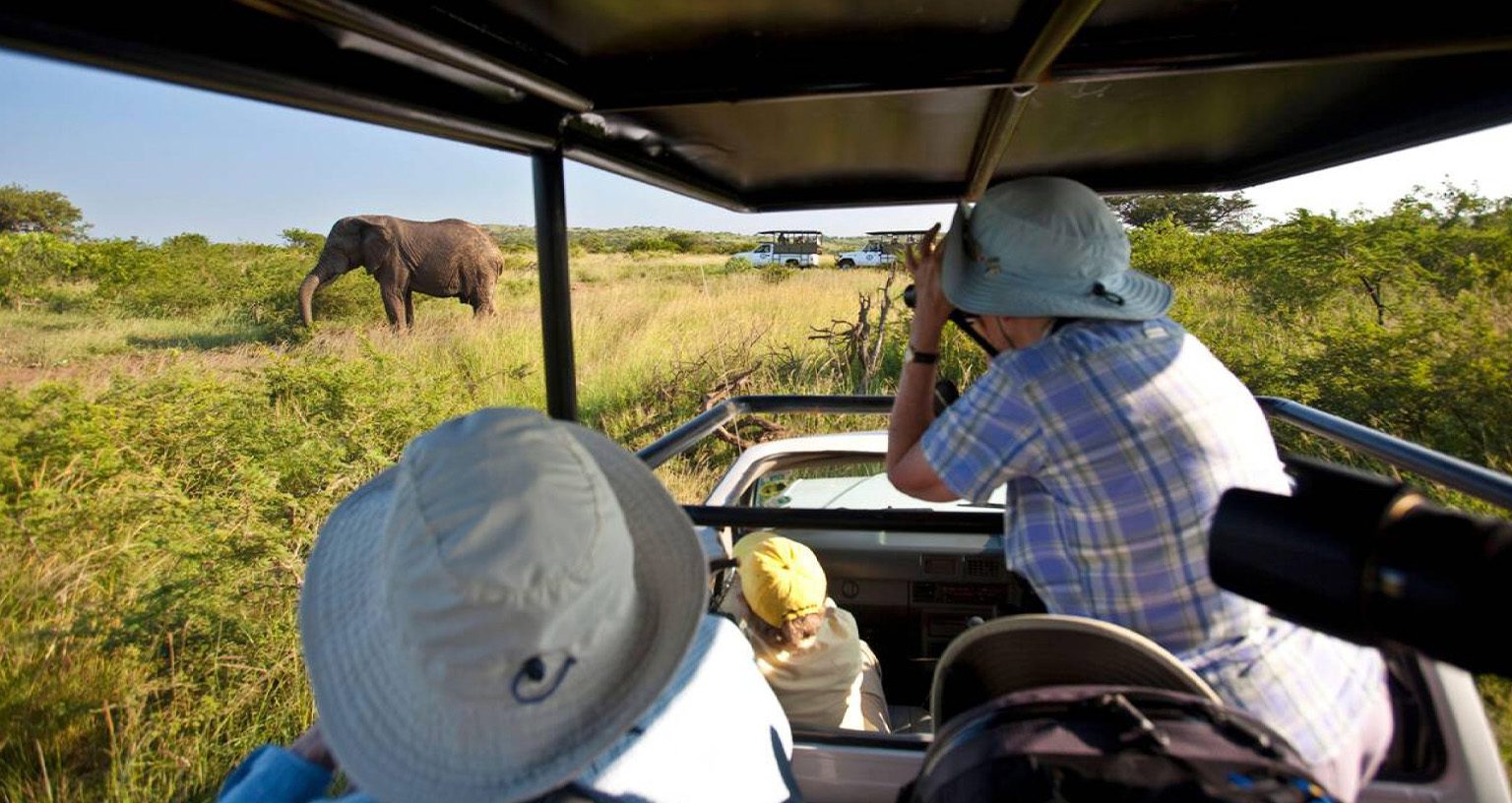
3. Understanding Subject Ethology and Behavior
Once your gear bag is zipped, your next layer of preparation is understanding the subjects you are hoping to capture. True nature photography is not just about technical skill; it is about anticipation. To get extraordinary shots, you have to think like an animal. Spend time reading up on animal behavior and ethology—understand the pre-hunt pacing of a cheetah, the warning posture of an elephant raising its ears, or the subtle tail flicks of a territorial giraffe.
When you know how animals communicate and move, you can predict what they will do next instead of reacting after the moment has already passed. A skilled photographer does not just snap a picture of a lion; they anticipate the yawn, the stretch, or the moment it locks onto a distant gazelle, framing the shot just before the action unfolds.
4. Master Fieldcraft and Lighting
This intimate knowledge of animal behavior ties directly into the art of fieldcraft, which dictates how you interact with your environment. The wilderness demands profound patience and absolute stillness. Wildlife can sense tension and erratic movement, so your movements inside the vehicle should be fluid and deliberate.
Learn to read the light, too. The middle of the day brings harsh, washed-out glare and deep, unforgiving shadows that flatten your images. Your real magic hours are the golden windows just after sunrise and right before sunset, when the light is warm, directional, and paints the fur and feathers of your subjects with breathtaking depth. Embrace overcast days as well; cloud cover acts like a giant softbox, creating even, shadowless illumination that is absolute perfection for macro portraits.
5. Smart Clothing and Layering
Clothing and personal preparation play a surprisingly massive role in whether your wildlife photography safari is a triumph or a trial. Ditch the bright colors, loud neons, and stark whites, which can easily startle animals and draw unwanted attention. Instead, opt for lightweight, breathable fabrics in neutral, earthy tones—khakis, olive greens, tans, and browns that help you blend seamlessly into the safari vehicle and the surrounding landscape.
Layering is your secret weapon against the wilderness climate. Mornings on the back of an open-air safari vehicle can be shockingly biting and cold, even in equatorial regions, while midday temperatures can soar. By wearing layers that you can easily shed as the sun climbs, you stay comfortable, focused, and ready to shoot without shivering or overheating. Do not forget practical field gear either: a wide-brimmed hat, polarized sunglasses to cut the glare off the grass and water, high-SPF sunscreen, and an effective insect repellent.

6. Gear Maintenance and On-the-Go Care
Maintaining your gear throughout your trip ensures you never miss a critical shot due to technical failures:
-
Daily Sensor Cleaning: Dust is inevitable. Clean sensors every evening in a sheltered environment.
-
Battery Management: Keep spare batteries in an inside pocket during chilly morning drives to retain warmth and battery life.
-
Backups: Follow the 3-2-1 backup rule by copying memory card files to two separate portable SSD drives each night.
7. Mindset, Patience, and Ethics
Finally, prepare your mindset. A wildlife photography safari is not a controlled photo studio; it is a wild, unpredictable theater. There will be days when the animals are elusive, when the light refuses to cooperate, or when the predator you spent hours tracking turns and walks the other way into the dense brush. The secret to great pictures is surrendering control to nature and enjoying the raw, unscripted beauty of the journey.
Sometimes, the most memorable experience is not the trophy shot of the big cat, but the quiet, humbling moments—watching a tiny dung beetle roll its treasure across the dust, listening to the haunting morning call of a fish eagle, or simply breathing in the rich, earthy scent of the savannah. Pack your curiosity, respect the wild spaces you enter, and remember that every great frame starts with simply being present in the moment.
Executing successful wildlife photography requires balancing technical readiness, environmental respect, and mental flexibility. When you combine meticulous preparation with an open heart for the unexpected, you will return home not just with a collection of stunning photographs, but with stories that will stay with you for a lifetime.
Help Me Plan My Trip
Don’t take our word for it
See what our clients have to say!


GET IN TOUCH
To contact an expert travel planner to start planning your adventure in Kenya, click the button below:


