

Are Kudus Aggressive? Kudu Behavior & Safety Guide

Are kudus aggressive? The short answer is no; they are not naturally aggressive animals. In fact, they are notoriously timid, gentle, and shy. Their entire survival strategy relies on remaining undetected or making a swift, dramatic escape rather than standing their ground to fight. Yet, as with any large wild animal, the full story is far more fascinating than a simple yes or no. Under specific conditions, such as the heat of the breeding season or when driven into a corner with no hope of flight, this quiet browser can transform into a surprisingly formidable force.
Master of Camouflage and Flight
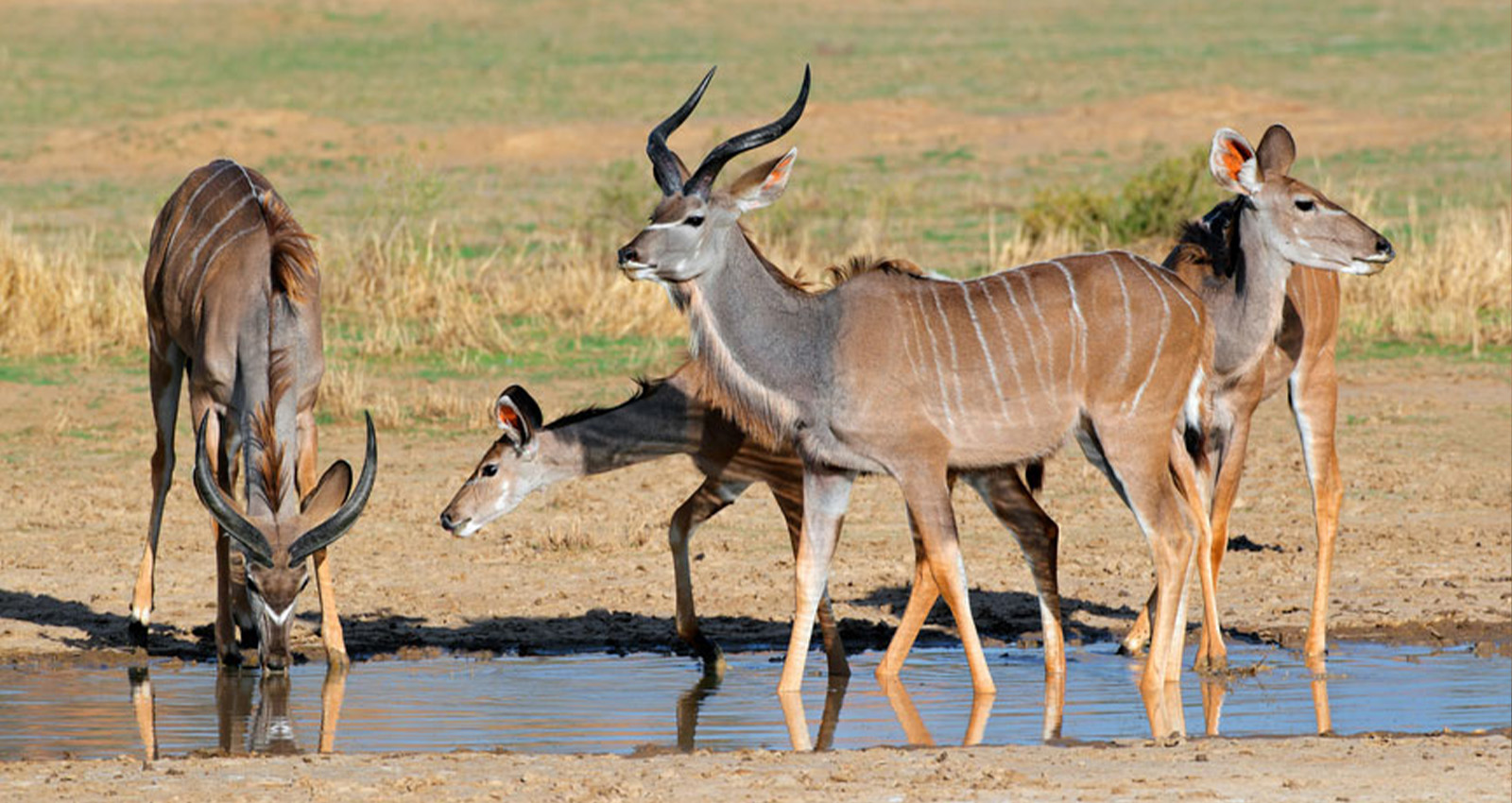
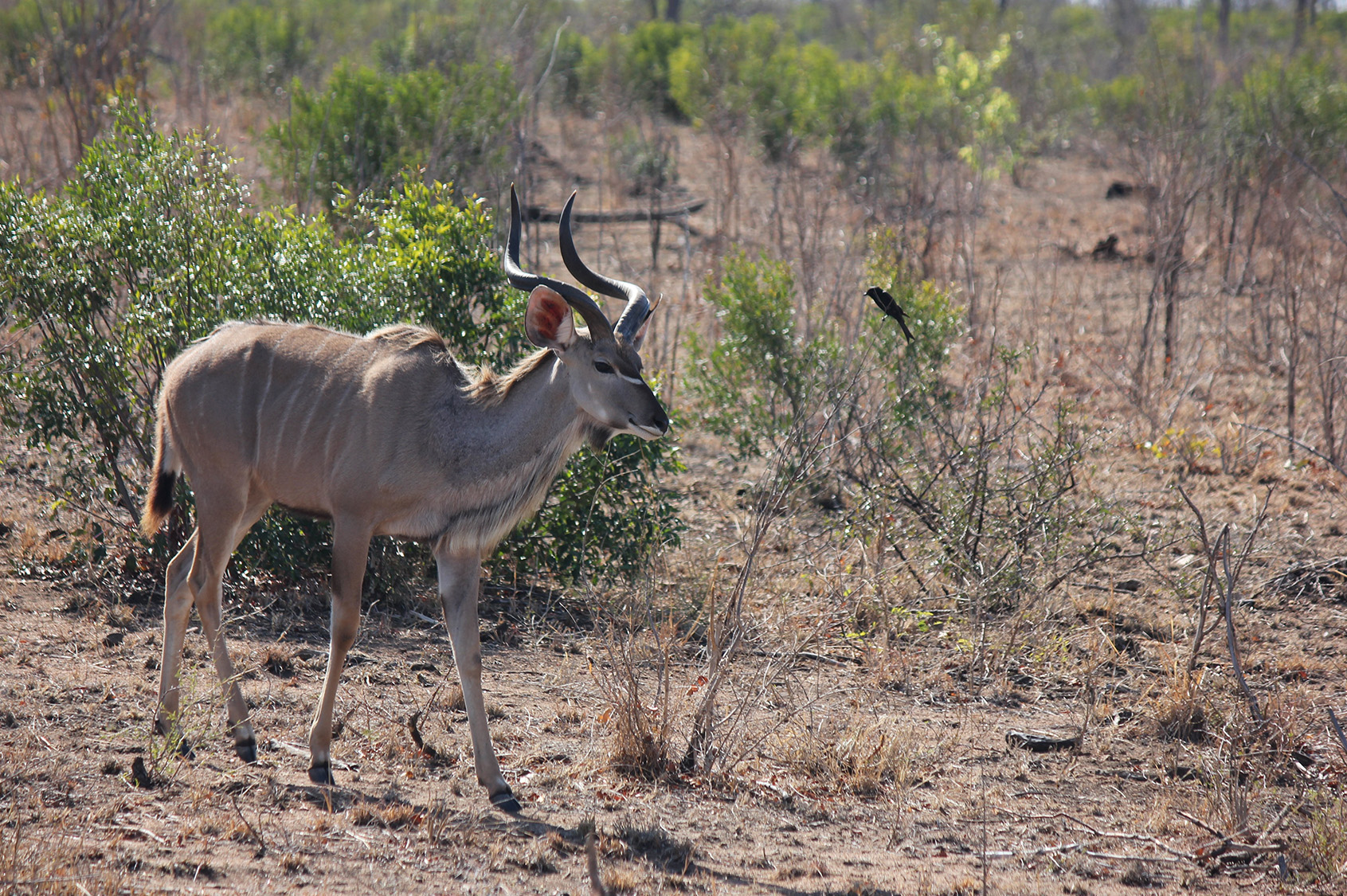
Kudus spend most of their lives surrounded by dense foliage. They do not rely on running vast distances at full speed to outrun predators the way wildebeests do. Instead, their first line of defense is complete and total concealment. They will stand perfectly still in the shadow of a bush. Their greyish-brown coat and subtle vertical white stripes blend so seamlessly into the surrounding branches that a person could walk just a few feet past one without ever noticing it was there. They are true masters of camouflage, earning them the famous nickname “the Grey Ghost of Africa.”
When invisibility fails, their second response is immediate flight. Despite their impressive size—a fully grown bull can stand over five feet tall at the shoulder and weigh up to six hundred pounds—they are remarkably alert and agile. When startled, they break into a leaping, bounding gait, easily clearing obstacles that would stop other animals in their tracks. A mature bull can clear an eight-foot fence from a standing start with effortless grace. As they leap away, they flash the bright white underside of their tails, a built-in alarm signal that alerts other members of the herd to follow them into the safety of the thick bush. Fighting a threat is simply not on their behavioral menu if escape is an option.
Typical Interactions and Human Safety
Human encounters with them almost always end in the animal vanishing into the brush long before anyone gets close enough to feel endangered. They do not view humans as prey, nor do they possess a territorial drive to attack people who wander into their range. Females live in small family herds with their offspring, while adult males usually form peaceful bachelor groups or lead solitary lives. Neither sex goes out of their way to initiate conflict with humans or other non-predator species.
However, gentle does not mean defenseless, and it certainly does not mean harmless. There are key scenarios where their peaceful nature gives way to intense defensive actions.
1. The Rutting Season
When the breeding season arrives, male kudus undergo a dramatic shift in temperament driven by surging testosterone levels. The solitary or peaceful bachelor bulls begin actively searching for breeding females, and when two mature bulls cross paths, the atmosphere changes instantly.
During these encounters, bulls engage in intense physical fights to establish social dominance and win access to females:
-
They lock their massive, spiraled horns together in a test of raw strength.
-
They push, leverage, and twist with incredible force to throw their rival off balance.
-
While these fights are primarily tests of dominance rather than deliberate attempts to kill, they are inherently violent and physically demanding.
In rare and tragic instances, the intricate double-spiral curve of their horns can interlock so tightly that the two males become permanently stuck together. Unable to feed, drink, or separate, both bulls ultimately perish—a grim testament to the intensity of their rivalry.
2. Cornered or Threatened Animals
The second scenario where they become dangerous is when they feel trapped, cornered, or directly threatened. If a human, predator, or hunting dog corners a bull in a tight enclosure where leaping away is impossible, their survival instincts flip immediately from flight to fight.
In those desperate moments, those magnificent spiraled horns—which can grow up to nearly six feet long following their curve—are no longer just ornamental markers of dominance; they become lethal weapons. A cornered bull can thrust its head forward with crushing force, capable of goring a predator or an unwary human with ease. Even females, who lack horns entirely, can inflict serious damage by kicking violently with their powerful legs and sharp hooves.
Kudu vs. Other Wildlife
When you look at the big picture of African wildlife, kudus occupy a remarkably peaceful niche compared to other large mammals.
-
Cape Buffalo: Known for unpredictable tempers and charging without direct provocation.
-
Hippopotamus: Highly territorial in water and aggressive on land.
-
Kudu: Extremely shy, non-territorial, preferring isolation and immediate escape.
Are kudus aggressive compared to these species? Not at all. They ask for very little other than the quiet freedom to forage on leaves, seed pods, and fruits in the safety of the thickets. They respect space, demand isolation, and prefer to vanish like mist long before a confrontation ever develops.
Help Me Plan My Trip
GET IN TOUCH
To contact an expert travel planner to start planning your adventure in Kenya, click the button below:


