Wildlife Photography Tours in Kenya: 7 Incredible Secrets for Capturing the Big Five

Embarking on wildlife photography tours in Kenya is a transformative experience. Whether you are a seasoned professional or a hobbyist with a passion for nature, the diversity of the landscape and the density of the wildlife are unmatched. From the red elephants of Tsavo to the flamingos of Lake Nakuru, every corner of this country offers a new story to tell.
By focusing on the right locations, bringing the correct gear, and traveling with experts who understand the nuances of the craft, you will return home with more than just photos; you will return with a portfolio that captures the very soul of the African wilderness.
In this guide, we explore why wildlife photography tours in Kenya are the gold standard for visual storytellers and how you can maximize your time in the bush to capture world-class images.

1. The Magic of the Maasai Mara: A Predator’s Paradise
When people dream of wildlife photography tours in Kenya, the Masai Mara is usually the first location that comes to mind. It is famous for a reason. The vast, open savannahs provide clean, unobstructed backgrounds, making it significantly easier to isolate subjects.
Between July and October, the Great Migration brings over two million wildebeest and zebras into the Mara. For a photographer, this means high-stakes action. You aren’t just looking for static portraits; you are looking for the “kill,” the river crossing, and the dramatic dust clouds kicked up by thundering hooves. Because the Mara has a high concentration of lions, leopards, and cheetahs, your chances of capturing a hunt are higher here than almost anywhere else on Earth.
2. Amboseli’s Giants and the Kilimanjaro Backdrop
If your style leans toward environmental portraits, you cannot skip Amboseli National Park. Most wildlife photography tours in Kenya include a stop here specifically to photograph the world-famous elephant herds.
Amboseli is unique because of its flat, dry lakebeds and the towering presence of Mount Kilimanjaro. The secret to a winning shot here is perspective. By staying at a low angle within a specialized photography vehicle, you can make the elephants appear even more majestic against the mountain’s 5,895-meter summit. The early morning light here is crisp and blue, offering a completely different “vibe” compared to the golden tones of the Mara.
3. Samburu: The Land of the Special Five
Northern Kenya offers a rugged, arid beauty that contrasts sharply with the southern plains. In Samburu National Reserve, wildlife photography tours in Kenya focus on the “Samburu Special Five”:
-
The Reticulated Giraffe (with its striking geometric patterns)
-
The Grevy’s Zebra
-
The Somali Ostrich
-
The Beisa Oryx
-
The Gerenuk (the “giraffe-necked” antelope)
The red earth of Samburu provides a warm, rich palette for your photos. The Ewaso Ng’iro River serves as a focal point where elephants often gather to bathe, providing excellent opportunities for “splash” shots and action photography.
4. Essential Gear for Kenya Wildlife Photography
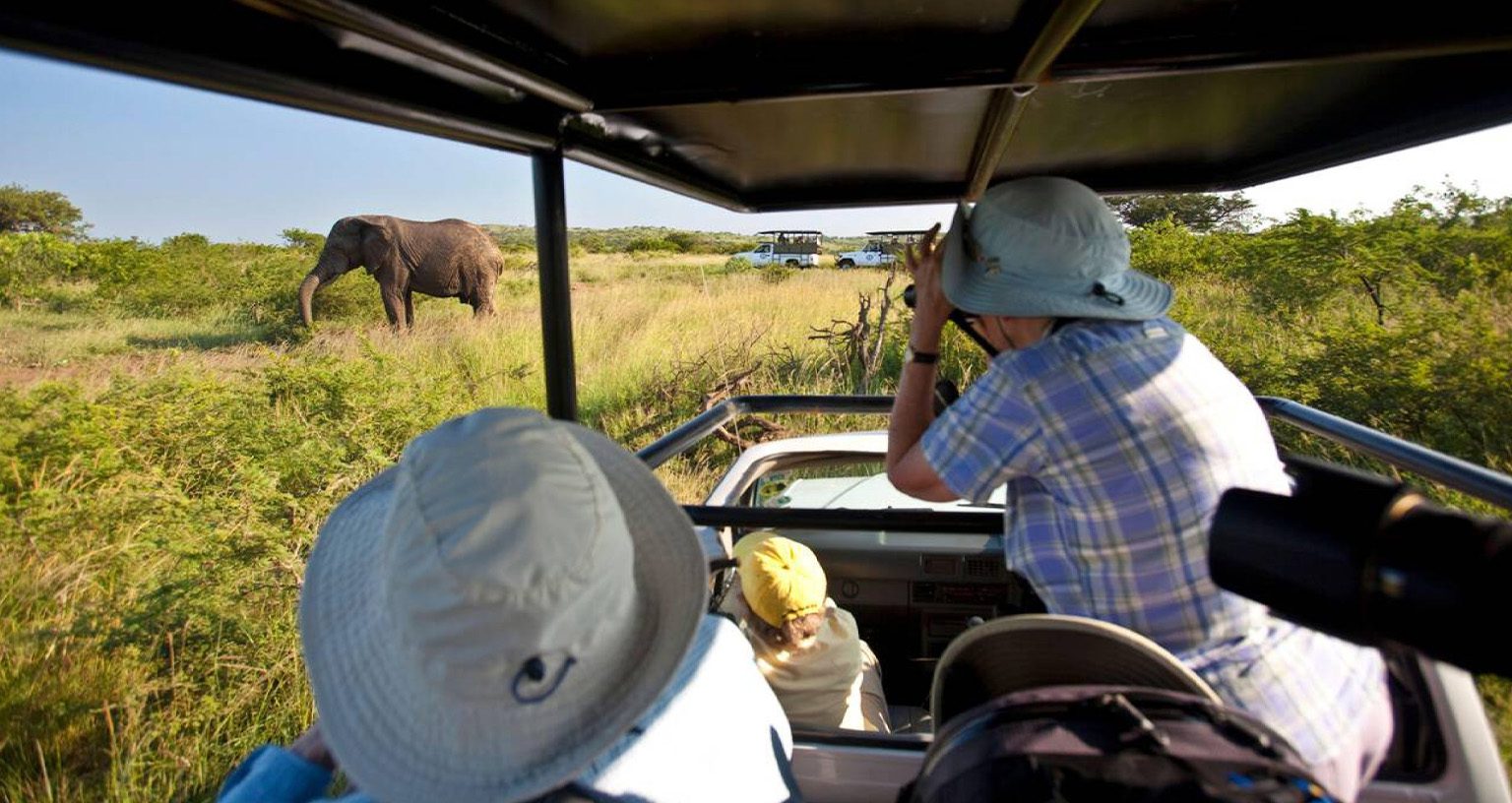
Success on wildlife photography tours in Kenya often comes down to being prepared for the unexpected. While a high-end camera is great, your lens choice and stabilization are what truly matter.
-
The Workhorse Lens: A 100-400mm or 200-600mm lens is essential. Most wildlife won’t be right next to the vehicle, and you need that reach to capture the glint in a leopard’s eye.
-
The Wide Angle: Don’t forget a 24-70mm lens. The Kenyan sky is a character in itself, especially during the “Green Season” (November-December) when dramatic storm clouds gather.
-
Stabilization: Tripods are often useless inside a moving safari vehicle. Instead, use a beanbag or a window mount to steady your long lens.
-
Dust Protection: Kenya is incredibly dusty. Bring a “rocket blower” and high-quality lens cloths. Never change your lenses while the vehicle is moving or in high winds if you can avoid it.
5. Mastering the Light: Beyond the Golden Hour
While everyone knows about the “Golden Hour,” professional wildlife photography tours in Kenya will teach you how to work with light throughout the day. In the middle of the afternoon, when the sun is harsh, try switching to Black and White. High-contrast lighting works beautifully for textured subjects like elephant skin or the muscular ripples of a lion.
Furthermore, many specialized tours now offer “Night Safaris” in private conservancies. Using infrared spotlights or thermal imaging, you can document the nocturnal behaviors of predators that are rarely seen by the average tourist.

6. Why Choose a Specialized Photography Tour?
You might wonder why you should book specific wildlife photography tours in Kenya rather than a standard safari. The difference lies in the driver-guides.
A standard guide looks for animals. A photography guide looks for light and angles. They understand that you need to keep the sun behind you. They know how to position the vehicle so that a blade of grass isn’t obscuring the lion’s face. Most importantly, they have the patience to sit at one sighting for three hours waiting for the perfect “yawn” or the moment a cub pounces on its mother’s tail.
7. Conservation and Ethical Photography
As photographers, we have a responsibility to the subjects we document. The best wildlife photography tours in Kenya prioritize the well-being of the animals. This means maintaining a respectful distance and never “off-roading” in a way that destroys the habitat or stresses the wildlife. When you capture a powerful image, you aren’t just taking a photo; you are creating a tool for conservation. Highlighting the beauty of these creatures helps ensure their protection for future generations.
Help Me Plan My Trip
GET IN TOUCH
To contact an expert travel planner to start planning your adventure in Kenya, click the button below: