Kenya 2026 Safari Guide: 7 Essential Secrets for an Unforgettable Adventure
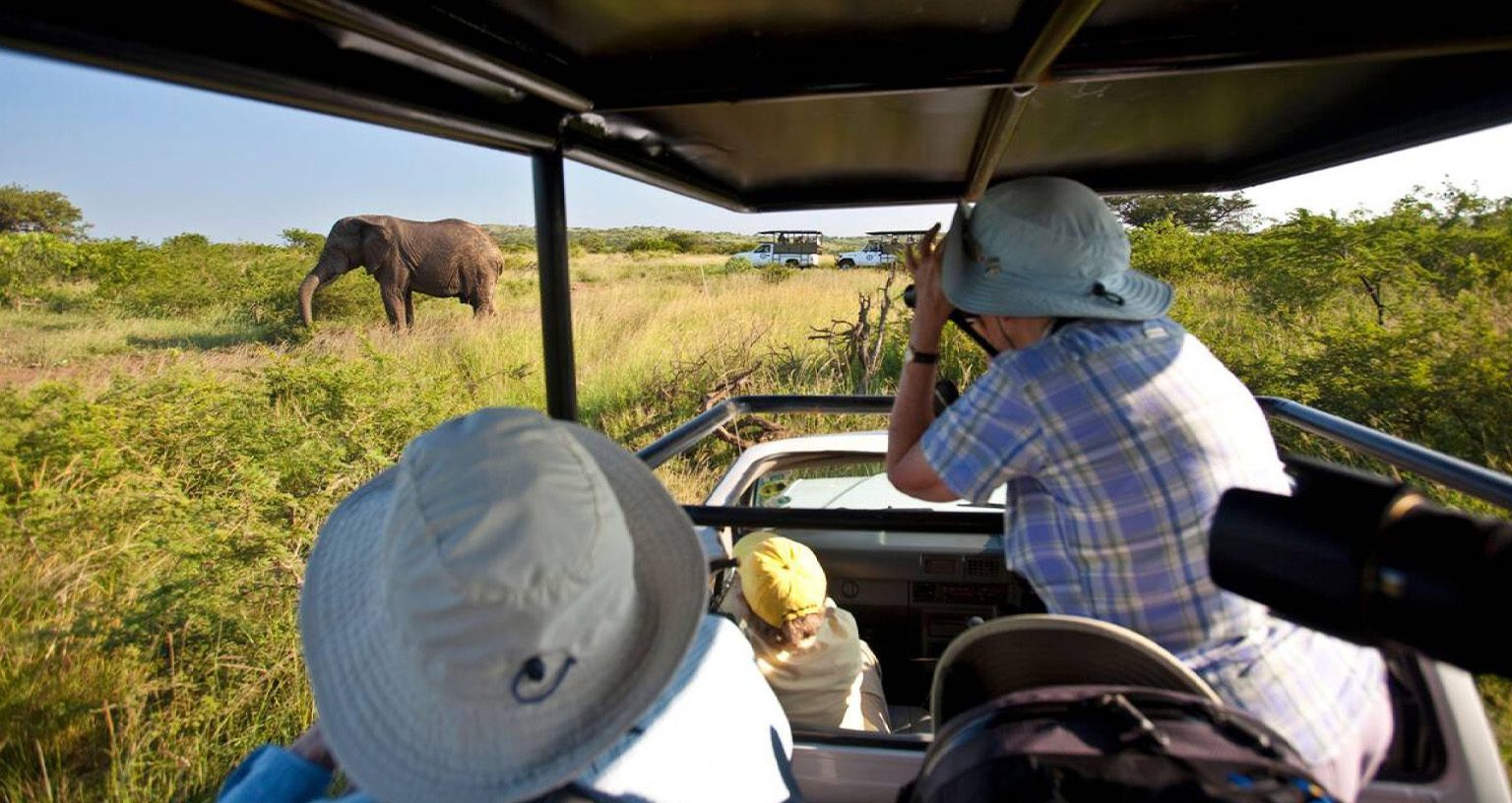
Planning a trip to the heart of Africa can feel overwhelming, but this comprehensive Kenya 2026 safari guide is designed to simplify your journey. Whether you are dreaming of the thundering hooves of the Great Migration or the silent, snow-capped peaks of Mount Kilimanjaro, 2026 is shaping up to be a spectacular year for East African travel.
Kenya remains the undisputed “home of the safari.” However, with shifting travel trends and updated entry requirements (like the new eTA system), having an up-to-date Kenya 2026 safari guide is no longer just helpful; it is vital. In this guide, we’ll explore the best parks, the smartest ways to save on costs, and the “power moves” that will turn a good trip into a legendary one.
1. Timing Your Trip: The 2026 Seasonal Calendar
The most important part of any Kenya 2026 safari guide is knowing when to go. Kenya’s weather dictates wildlife movement, and in 2026, the patterns remain relatively consistent.
-
The Peak Season (July – October): This is the window for the Great Migration. Over 1.5 million wildebeest and zebras pour into the Maasai Mara. It is the most powerful wildlife spectacle on earth, but expect higher prices and more vehicles.
-
The Short Dry Season (January – March): This is the “hidden gem” of 2026. The skies are crystal clear, making it a photographer’s dream. It’s also calving season, so you’ll see plenty of baby animals—and the predators that follow them.
-
The Green Season (April – June): While the “long rains” occur now, this is the best time for budget travelers. Lodges often slash prices by 30% to 50%.

2. Must-Visit Destinations for 2026
Every Kenya 2026 safari guide must highlight the iconic landscapes. While the Maasai Mara is the crown jewel, don’t ignore the lesser-known parks that offer more exclusivity.
Masai Mara National Reserve
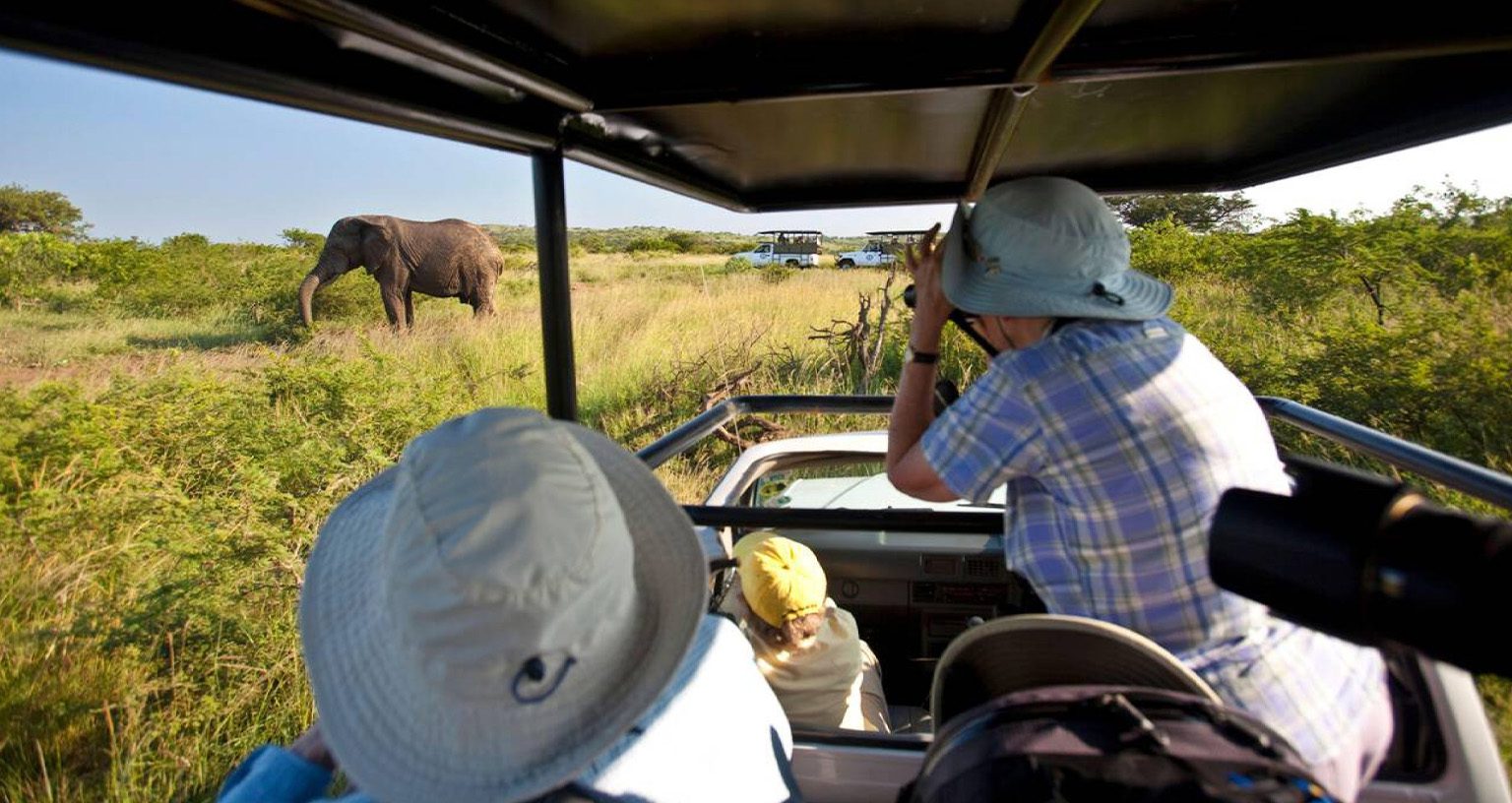
The Mara is essential for seeing the “Big Five” (lion, leopard, elephant, buffalo, and rhino). In 2026, look into staying in the surrounding Private Conservancies. These areas offer a more intimate experience, allowing for night drives and walking safaris, which are restricted in the main reserve.
Amboseli National Park
If you want that iconic shot of an elephant with Mount Kilimanjaro in the background, Amboseli is your destination. The park is famous for its massive “tuskers” and diverse birdlife.
Samburu Special Five
For a unique twist, head north to Samburu. Here, this Kenya 2026 safari guide recommends looking for the “Special Five”: the Grevy’s zebra, Somali ostrich, reticulated giraffe, gerenuk, and beisa oryx.
3. Understanding the 2026 Costs
How much should you budget? In 2026, safari costs are influenced by the recent increase in park fees. A Kenya 2026 safari guide wouldn’t be complete without a realistic price breakdown:
| Safari Tier | Estimated Cost (Per Person/Day) | What’s Included? |
| Mid-Range | $400 – $750 | Boutique lodges, private 4×4, expert guides. |
| Luxury | $1,000+ | Fly-in transfers, plunge pools, gourmet dining. |
Pro Tip: To maximize your budget, this Kenya 2026 safari guide suggests mixing road transfers with one “fly-in” leg. This saves time without the massive price tag of an all-flight itinerary.
4. The New Entry Rules: eTA and Logistics
Gone are the days of the traditional visa. As of late 2024 and continuing through 2026, Kenya has transitioned to the Electronic Travel Authorization (eTA).
We urge you to apply at least two weeks before your flight. The process is entirely online, costs approximately $32.50, and is mandatory for all visitors, including infants. Make sure your passport is valid for at least six months beyond your departure date.
5. Packing Like a Pro
Packing for a safari is an art form. Your Kenya 2026 safari guide checklist should prioritize layers. Morning game drives can be freezing (around 10°C), while midday can reach 28°C.
-
Color Palette: Stick to tans, olives, and browns. Avoid bright white (it gets dusty) and dark blue or black (which attracts Tsetse flies).
-
The “Must-Haves”: High-quality binoculars (8×42 is the gold standard), a wide-brimmed hat, and polarized sunglasses.
-
Tech: A power bank is essential, as some bush camps rely on solar power and may turn off outlets at night.
6. Sustainable and Ethical Travel in 2026
Modern travelers want their money to matter. We encourage choosing lodges that are EcoTourism Kenya certified. Look for “Gold” or “Silver” rated properties that prioritize community employment and wildlife conservation.
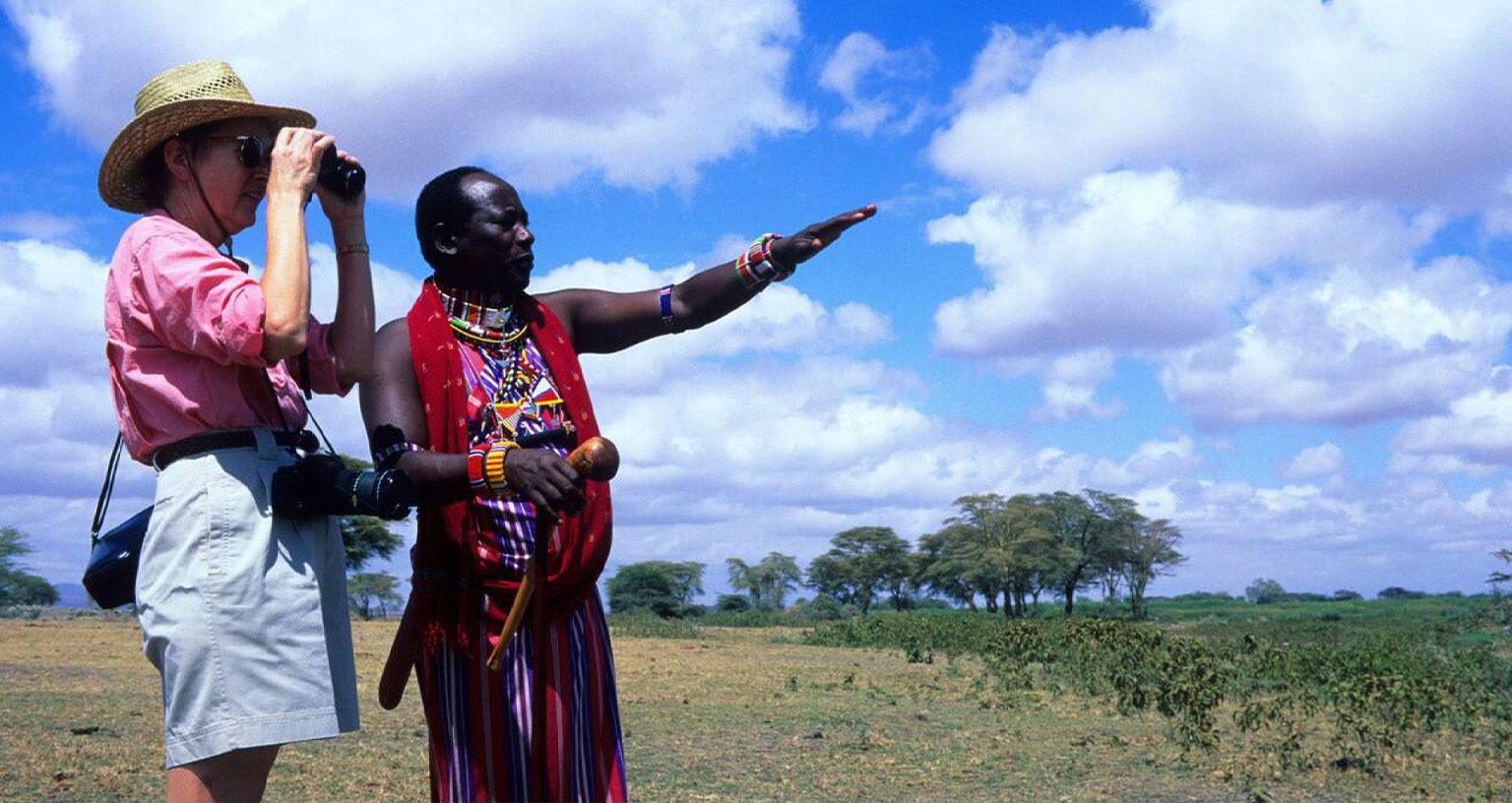
Supporting local Maasai or Samburu communities through authentic cultural visits (not staged performances) ensures that the benefits of tourism reach those who protect the land.
7. Why You Need a Professional Guide
In 2026, the “DIY safari” is becoming harder due to complex logistics. A professional Kenya safari guide (the person, not just this text!) is your greatest asset. They don’t just find animals; they read the tracks, understand animal behavior, and ensure your safety.
Expert guides have a “bush telegraph” network, communicating via radio to ensure you are in the right place at the right time for that magnificent lion kill or a rare leopard sighting.
Help Me Plan My Trip
GET IN TOUCH
To contact an expert travel planner to start planning your adventure in Kenya, click the button below: